

Question


| A. |
Benedict’s test |
| B. |
Rothera’s test |
| C. |
Biuret test |
| D. |
Emulsion test |


|
Correct Answer � B Explanation |
 |

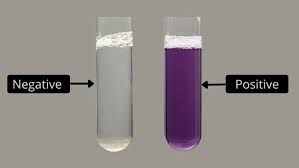
The image you provided shows a positive result for Rothera’s test, which is used to detect ketone bodies in the urine.
In prolonged starvation, the body shifts to fat metabolism due to the depletion of glucose stores. This leads to the production of ketone bodies, which are excreted in the urine. Rothera’s test detects the presence of acetone and acetoacetic acid, two types of ketone bodies.
Options:
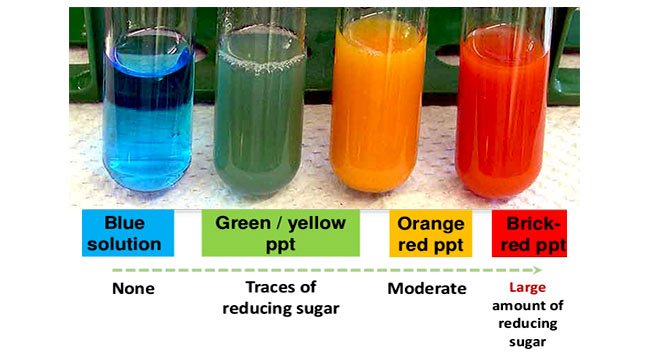
Benedict’s test: This test is used to detect reducing sugars (such as glucose) in the urine, which is typically seen in conditions like diabetes mellitus, not starvation.

Biuret test: This test detects proteins in the urine. Proteinuria is not typically associated with prolonged starvation.

Emulsion test: This test detects lipids. Lipiduria is uncommon in prolonged starvation and is not detected with Rothera’s test.