

Question
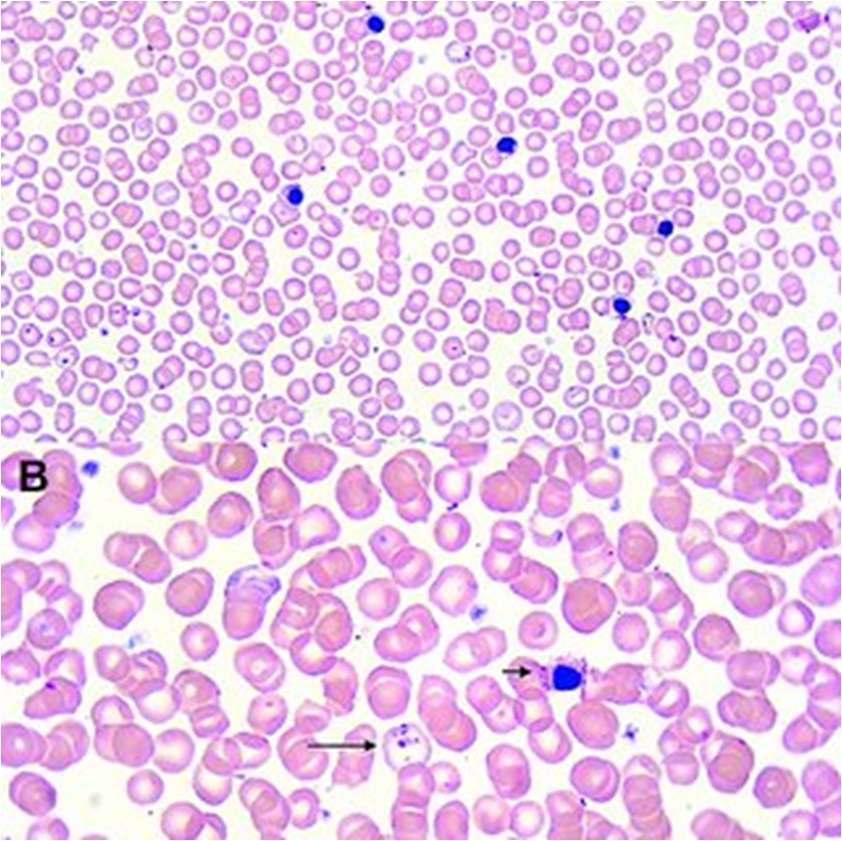
Which of the following diagnoses are associated with the hematological picture described below?
| A. |
Minamata disease |
| B. |
Saturnism |
| C. |
Chronic iron toxicity |
| D. | Arsenic poisoning |


|
Correct Answer � B Explanation |
 |

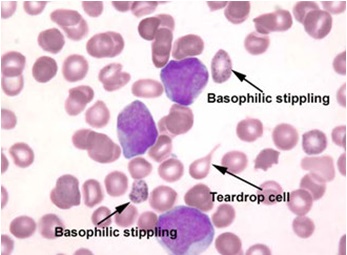
Saturnism, more commonly known as lead poisoning, is a medical condition caused by elevated levels of lead in the body. Lead is a heavy metal that is toxic to many organs and tissues including the heart, bones, intestines, kidneys, and reproductive and nervous systems. It interferes with a variety of body processes and is toxic to many organs and tissues including the heart, bones, intestines, kidneys, and nervous system.
Hematological picture of lead poisoning can vary depending on the level and duration of exposure, as well as individual factors such as age and nutritional status.
Reasons to rule out other options
Option A: While it is possible that mercury toxicity may lead to some degree of hematological abnormalities, such as anemia, the typical hematological picture of Minamata disease does not include specific features that would clearly distinguish it from other causes of anemia.
Option C: Chronic iron toxicity can lead to a hematological picture of microcytic hypochromic anemia, which is characterized by small red blood cells that contain insufficient hemoglobin. While this is a specific hematological feature that can be seen in chronic iron toxicity, it is not unique to this condition and can also occur in other forms of anemia.
Option D: Arsenic poisoning can lead to a variety of hematological abnormalities, including anemia, leukopenia, and thrombocytopenia. The specific hematological picture may vary depending on the severity and duration of exposure. However, the presence of anemia alone is not specific enough to diagnose arsenic poisoning, as anemia can also occur in many other conditions.