


Short Quiz on Exchange Transfusion in the Newborn
Instruction
2. There is 1 Mark for each correct Answer
A neonate delivered at 38 weeks of gestation with a birth weight of 2.2 kg develops intolerance to feed /abdominal distension on the second day. Physical examination is unremarkable. The sepsis screen is negative. PCV is observed to be 72%. Which of the following represents the best management option:
Placental insufficiency with intrauterine hypoxia leads to stimulation of erythropoiesis and resultant polycythemia, especially seen in IUGR babies. Polycythemia (>65% hematocrit) produces hyperviscosity with decreased organ perfusion. Manifestations include jitteriness, respiratory distress, cardiac failure, feeding intolerance, hypoglycemia, hypocalcemia, and hyperbilirubinemia.
Treatment of polycythemia: Symptomatic infants or those with hematocrit >75% require partial exchange transfusion. For others, management includes increasing fluid intake.
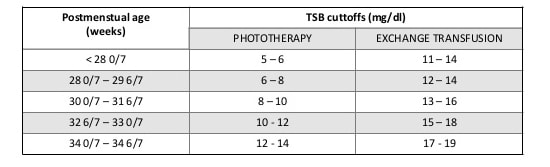
A 32 weeks premature infants, 900gm weight on the third days. The serum bilirubin is 13 mg%. The treatment of choice is –
Ans. is ‘a’ i.e., Exchange transfusion
Ans. is ‘a’ i.e., Cord blood hemoglobin is less than 10 g %; ‘b’ i.e., Cord bilirubin is more than 5 mg; `c’ i.e., History of the previous sibling affected
Indications of Exchange transfusion
o Cord hemoglobin 10g/dL o Bilirubin protein ratio > 3.5 o Prematurity
o Cord bilirubin > 5mg/d o Reticulocyte count > 15%
o Previous kernicterus or severe erythroblastosis in a sibling
Indications for exchange transfusion are all except:
Ans. is ‘c’ i.e., Cord bilirubin < 5 mg/100 ml
Cord bilirubin 5 or more is an indication.
