
PERIOSTEAL REACTION
PERIOSTEAL REACTION


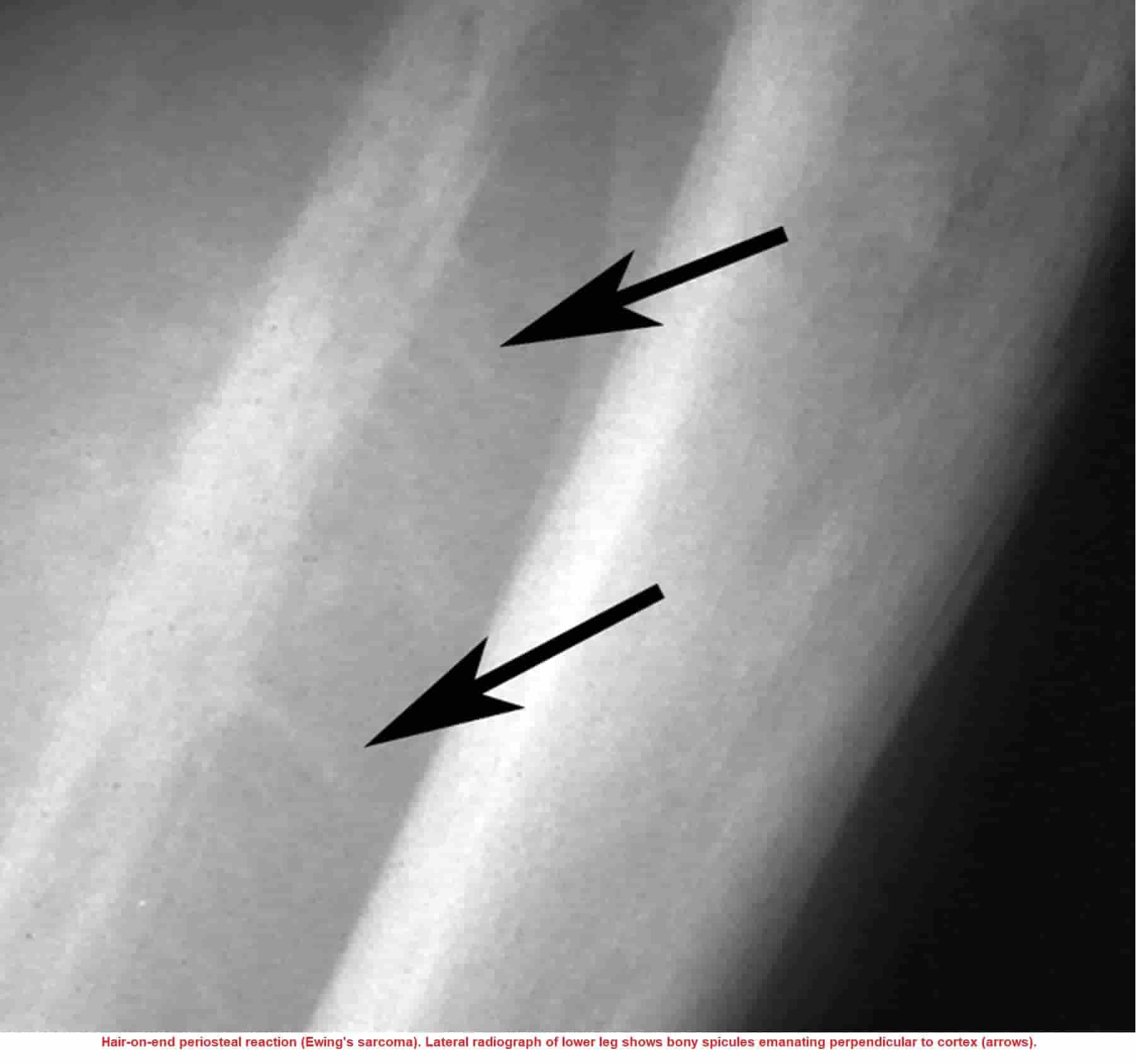
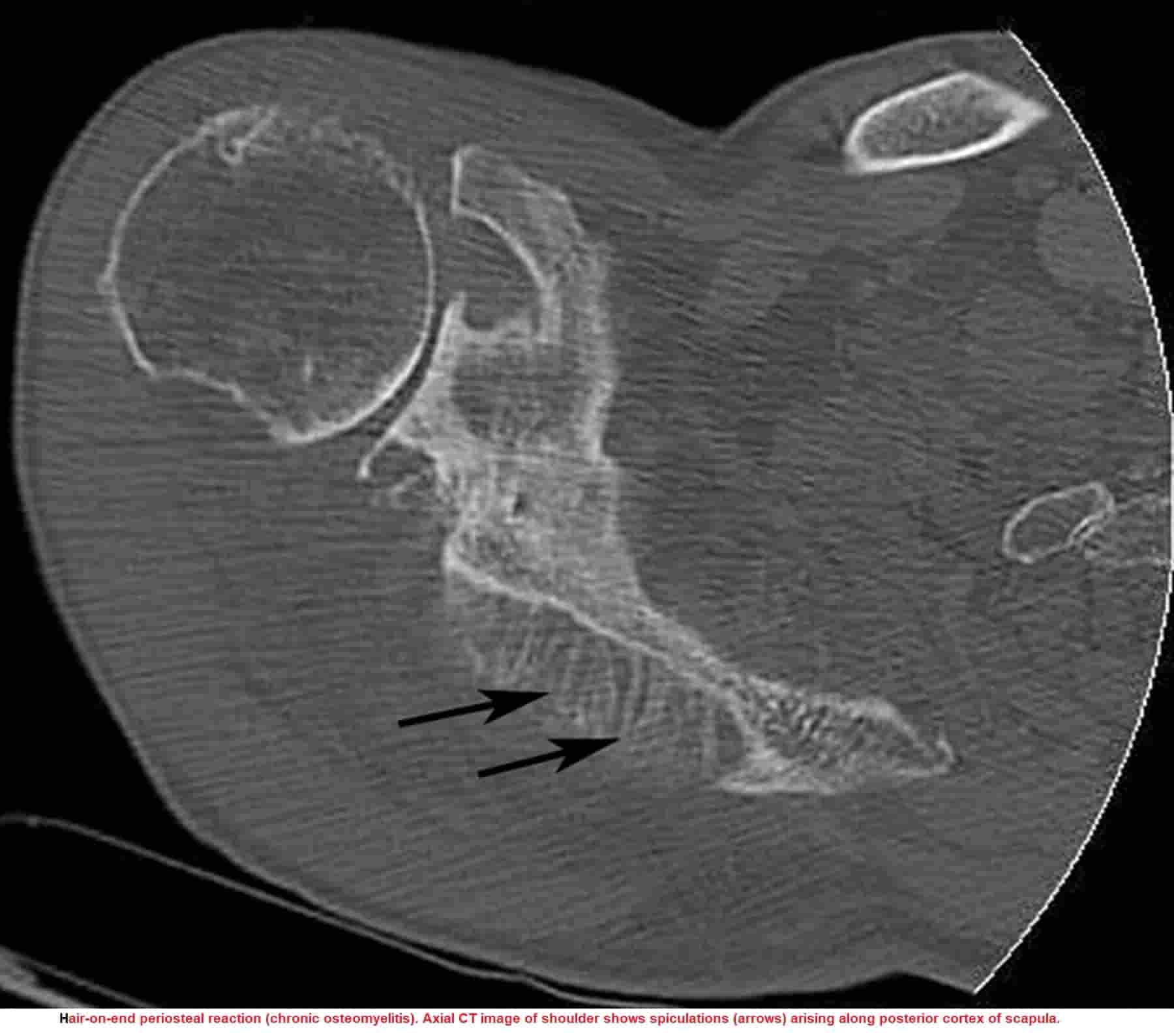

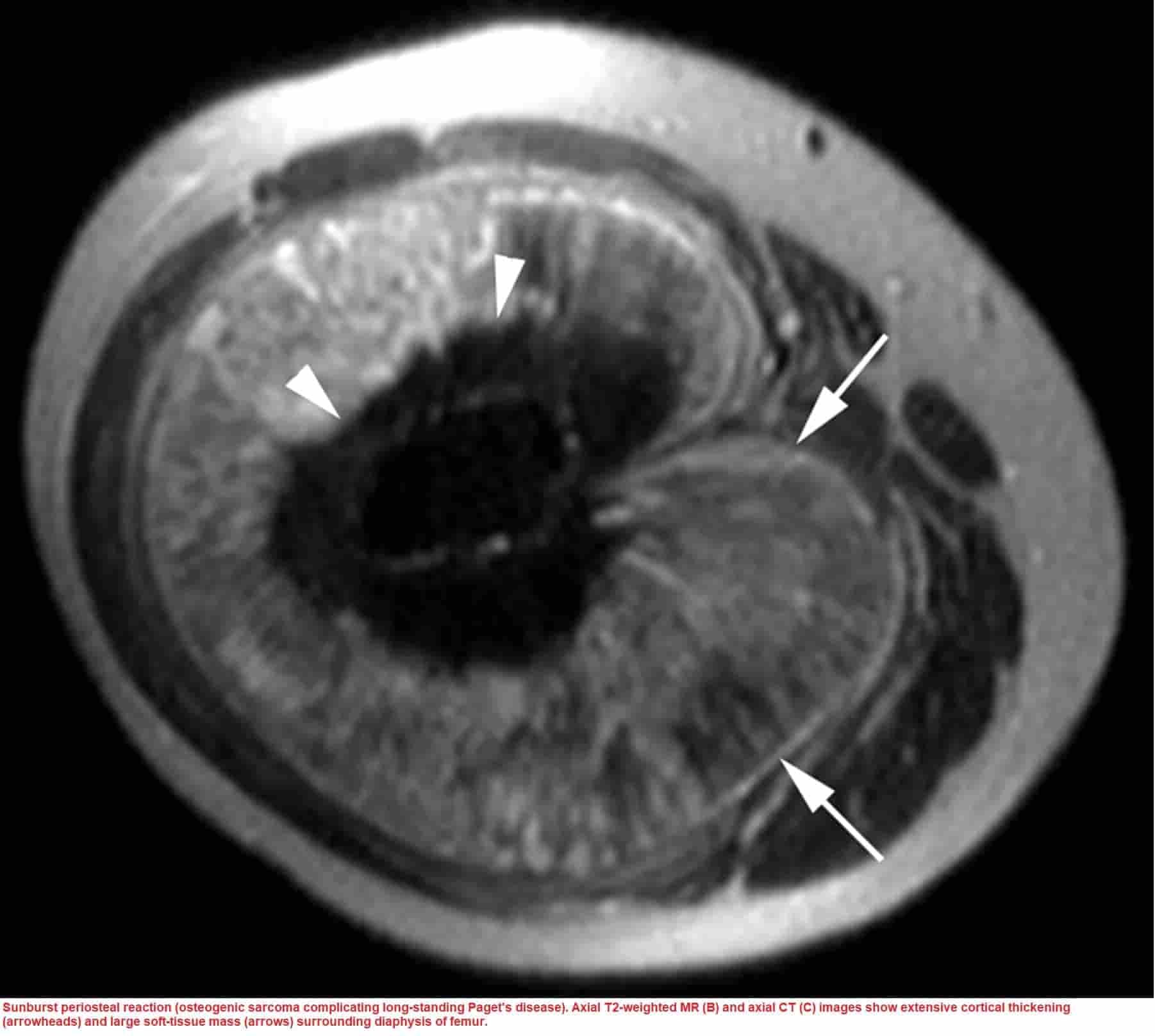


- Periosteal reaction, also known as periostitis or periosteitis.
- It’s a non specific radiographic finding that occurs with periosteal irritation.
- Periosteal reactions may be broadly characterised as benign or aggressive, or more specifically broken down by pattern.
- Periosteal reaction results when cortical bone reacts to one of many possible insults.
- Tumor, infection, trauma, certain drugs, and some arthritic conditions can elevate the periosteum from the cortex and form various patterns of periosteal reaction
Types of Periosteal Reaction
- It has been classified in terms of continuous versus interrupted forms, single versus multiple layers, and aggressive versus nonaggressive subtypes.
- In evaluating periosteal reaction, the major goal is to recognize its presence rather than the specific subtype.
- Because there is significant overlap in the disease entities that result in the two major forms of periosteal reaction: aggressive and nonaggressive.
Nonaggressive
- Thin
- Solid
- Thick irregular
- Septated
Aggressive
- Laminated (onionskin)
- Spiculated
- Perpendicular/hair-on-end
- Sunburst
3. Disorganized
4. Codman triangle
Solid periosteal reaction
- Nonaggressive form that is primarily seen with benign, slow processes.
- A healed fracture, osteoid osteoma, and osteomyelitis can all exhibit solid periosteal reaction that appears as either thin or thick sheets
Onion peel or lamemmated appearance
- Multiple layers of new bone are formed concentrically around the cortex, producing a laminated or onionskin appearance.
- The laminated appearance is seen in a variety of lesions, including sarcomas, osteomyelitis, and chondroblastomas.
Spiculated pattern
- An aggressive form of periosteal reaction that includes both hair-on-end and sunburst subtypes.
- Spicules of bone form perpendicular to the periosteal surface in the hair-on-end subtype, which is highly suggestive of Ewing’s sarcoma.
- The linear spicules of new bone form along newly formed vascular channels and fibrous bands (Sharpey fibers).
- In the sunburst subtype of periosteal reaction, the spicules of new bone radiate in a divergent pattern instead of perpendicular to the cortex , an appearance often associated with conventional osteosarcomas.
Codman triangle
- A Codman triangle develops when a portion of periosteum is lifted off of the cortex by tumor, pus, or hemorrhage at a leading edge.
- This aggressive form of periosteal reaction is commonly seen in osteosarcomas and occasionally with infection and metastases.
Exam Important
- Periosteal reaction in a case of acute osteomyelitis can be seen earliest at 10 days.
- Sunray appearance on X – ray is seen in Osteosarcoma.
- Periosteal reactions is seen in Osteomyelitis, Syphilis & Tumor.
- Earliest radiological change to appear in case of acute osteomyelitis is Loss of plane between soft tissue and muscle.
- Acute osteomyelitis can best be distinguished from soft tissue infection by MRI.
Don’t Forget to Solve all the previous Year Question asked on PERIOSTEAL REACTION
Click Here to Start Quiz
Click Here to Start Quiz

