
Vaccines and Vaccination
| A | The source of infection is mainly clinical cases | |
| B |
The disease is more common in dry and cold months of the year |
|
| C |
Chemoprophylaxis of close contacts of cases is recommended |
|
| D |
The vaccines is not effective in children below 18 months of age |
The following statements about meningococcal meningitis are true except –
| A |
The source of infection is mainly clinical cases |
|
| B |
The disease is more common in dry and cold months of the year |
|
| C |
Chemoprophylaxis of close contacts of cases is recommended |
|
| D |
The vaccines is not effective in children below 18 months of age |
Ans. is ‘a’ i.e., The source of infection is mainly clinical cases
- Carriers are the most important source of infection not the clinical cases.
- Outbreaks of meningococcal meningitis occure more frequently in the dry and cold months of the year.
- Chemoprophylaxis has been suggested for close contacts.
- The vaccine is ineffective in children < 18 months old
| A |
Killed sheep brain vaccine |
|
| B |
Human diploid cell vaccine |
|
| C |
Vero continous cell vaccine |
|
| D |
Recombinant glycoprotein |
Ans. is ‘d’ i.e., Recombinant glycoprotein
Recombinant glycoprotein vaccines (Subunit vaccines) are still in experimental Stage.” – Anantnanarayan
Recommended vaccines for rabies ‑
| A |
Semple |
|
| B |
Duck embryo vaccine |
|
| C |
Suckling mouse brain vaccine |
|
| D |
HDCV |
Ans. is ‘d’ i.e., HDCV
. A Cell culture vaccines ( HDCV, chick embryo fibroblast, vero continous cell line) are most potent safer with fewer side effects and require fewer injections than the others.
. Because of their potency and low cost, second generation tissue culture vaccines ( chick embryo fibryoblast, vero continous cell line) are preferred.
. So, the recommended vaccines for rabies are second generation tissue vaccines‑
•) Chick embryo fibroblast
ii) Vero continous cell line
. As these vaccines are not given in option, preferred alternative is human diploid cell vaccine (HDCV).
Which anti-rabies vaccine has been recommended by WHO –
| A | Duck cell vaccine | |
| B | Chick fibroblast vaccine | |
| C |
HDCV |
|
| D |
Sheep brain vaccine |
Ans. is ‘b’ i.e., Chick fibroblast vaccine
Best vaccine for rotavirus infection is –
| A |
Asymptomatic neonatal vaccine |
|
| B |
DNA vaccine |
|
| C |
Genetic reassortment |
|
| D |
Capsular component vaccine |
Ans. is ‘c’ i.e., Genetic reassortment
The segmented genome of rotavirus allows genetic reassortment during coinfection – a property that may play a role in viral evolution and has been utilized in the development of reassortment animal – human rotavirus – based vaccines.
| A |
Two live vaccines cannot be administered simultaneously |
|
| B |
Booster doses are not required when live vaccines are administered |
|
| C |
Single dose gives life long immunity |
|
| D |
Live vaccine contains both major and minor antigens |
Ans. is ‘a’ i.e., Two live vaccines cannot be administered simultaneously
Two live vaccines can be administered simultaneously.
“When two live vaccines are required they should be given either simultaneously at different sites or with an interval of at least 3 weeks”.
Advantages of live vaccine
o Live vaccines are more potent immunizing agents than killed vaccine because : –
i) Live organisms multiply in the host and the resulting antigenic dose is larger than what is injected.
ii) Live vaccines have all major and minor components.
iii) Live vaccines engage certain tissues of the body, e.g., intestinal mucosa by OPV.
iv) Latent virus may persist and provides continous antigenic stimulation.
o Immunization with live vaccines often .rovides for live Ion• immunit with a sing le dose and booster does are not required. The exception to this is OPV. Which needs three or more doses.
o No need for adjuvant, as live vaccines are more potent antigens.
o Also produce immunity at the natural site of infection e.g., in intestinal mucosa by OPV.
Disadvantages of live vaccine
o Cannot be given to immunocompromized person.
o Must be properly stored to retain effectiveness —> Serious failure of measles and polio immunization have resulted from inadequate refrigeration prior to use.
Also know
o Live and killed vaccine can be given together.
o Live vaccines should not normally be given for 12 weeks after an injection of normal human Ig and if a live vaccine has already been given, Human Ig injection should be deferred for 2 weeks.
| A |
3 months |
|
| B |
5 months |
|
| C |
7 months |
|
| D |
6 months |
Ans. is ‘d’ i.e., 6th months
The best age for measles vaccination is 9 months.
The age can be lowered to 6 months if there is measles outbreak in the community. For infants immunized between 6 months and 9 months of age, a second dose should be administered as soon as possible after the child reaches the age of 9 months provided that at least 4 weeks have elapsed since the last dose.
| A | 1-14 yrs | |
| B |
< 5 yrs |
|
| C |
> 50 yrs |
|
| D |
None |
Ans. is ‘a’ i.e., 1-14 yrs
Newer Influenza vaccine –
| A |
Split-virus vaccine |
|
| B |
Neuraminidase |
|
| C |
Live attennuated vaccine |
|
| D |
a and b |
Ans. is ‘a’ i.e., Split-virus vaccine & ‘b’ i.e., Neuraminidase
The following statements are true about DPT vaccine except-
| A |
Aluminium salt has an adjuvant effect |
|
| B |
Whole killed bacteria of Bordetella pertusis has an adjuvant effect |
|
| C |
Presence of acellular pertusis component |
|
| D |
Presence of H. influenzae type B component increases its immunogenecity increase its immunolgenecity |
Ans. is ‘d’ i.e., Presence of H.influenzae type B component
DPT vaccine
o It contains components for immunization against three diseases —> toxoid of diphtheria & tetanus, killed B.
pertussis.
o For immunizing infants, the preparation of choice is DPT, because ‑
i) The infant can be immunized simultaneously against three diseases, e.g. diphtheria, pertussis and tetanus which is a great gain administratively.
ii) The pertussis component in DPT vaccine enhances the potency of the diphtheria toxoid.
o Aluminum phosphate or aluminium hydroxide is used as adjuvant adjuvant increases the immunogenicity of the vaccine.
| A | Measles | |
| B |
BCG |
|
| C |
DPT |
|
| D |
OPV |
Ans. is ‘c’ i.e., DPT
o Uncontrolled seizure is a contraindication.
1. Valid contraindications
0 Severe allergic reaction to a previous dose of DPT.
ii) Encephalopathy (e.g., coma, L conciousness, prolonged seizures) within 7 days of previous dose of DPT.
iii) Progressive neurological deficit Infantile spasm, uncontrolled seizures, progressive encephalopathy.
2. Precautions
i) Fever 40.5°C within 48 hours after a previous DPT dose.
ii) Collapse or shock like state within 48 hours after a previous DPT dose.
iii) Seizure within 3 days after a previous DPT dose.
iv) Prolonged screaming (persistent crying) lasting . 3 hrs within 48 hours after a previous DPT dose. Invalid contraindications
o Temprature < 40.5°C, mild drowsiness after a prior dose of DPT.
o Family history of seizures, sudden infant death syndrome.
o Stable neurological conditions (e.g. cerebral palsy, well-controlled convulsions, developmental delay).
| A |
It should be stored in deep freezer |
|
| B |
Exposure to direct sunlight, when in use should be avoided |
|
| C |
Store stocks are needed for three months at PHC level |
|
| D |
Half – used vials should not be put back into the cold chain after the session |
Ans. is ‘a’ i.e., It should be stored in deep freezer
DPT vaccine must be stored in cool part of a freeze (at 4-8°C) but not in freezer.
About other options :‑
o Exposure to direct sunlight should be avoided.
o Open multi-dose vials which have not been fully used should be discarded at the end of session.
| A |
Zinc phosphate |
|
| B |
Aluminium phosphate |
|
| C |
MgSO4 |
|
| D |
None |
Ans. is None
o Dont get confused with option ‘b’. Aluminium phosphate is used as an adjuvant not as a preservative. o In DPT vaccine :-
i) Preservative Thimersol
ii) Adjuvant Aluminium phosphate or hydroxide
| A | Al | |
| B |
Mg |
|
| C |
Zn |
|
| D |
Formaldehyde |
Ans. is ‘a’ i.e., Al
Meningococcal vaccine is available for all of the following, except –
| A |
Group A |
|
| B |
Group B |
|
| C |
Group C |
|
| D |
Group Y |
Ans. is ‘b’ i.e., Group B
o Vaccines are available for group A, C, Y and W-125. There is no group B vaccine available at present.
Meningococcal Vaccine –
| A |
ACW 1 35Y |
|
| B |
ABCW 1 35 |
|
| C |
CYW135 B |
|
| D |
ABCY |
Ans. is ‘a’ i.e., ACW135Y
o Vaccines are available for group A,C,Y and W-125. There is no group B vaccine available at present.
Meningococcal vaccines should be stored at –
| A |
– 4°C |
|
| B |
0° |
|
| C |
2-8° |
|
| D |
20°C |
Ans. is ‘c’ i.e., 2-8°
o Meningococcal vaccines should be stored at 2-8° C.
Remember
o Conjugate vaccines are preferred over polysaccharide vaccines due to their potential for herd protection and their increased immunogenicity, particularly in children <2 years of age.
Vaccine for meningococcal meningitis should be routinely given to –
| A | Laboratory workers | |
| B | Young adolescents | |
| C |
4-8 years old children |
|
| D |
Elderly population |
Ans. is ‘b’ i.e., Young adolescents
Meningococcal vaccine recommendations
- Routinely :
o All adolescents 11-12 years age (1st dose at 11-12 years age, followed by booster dose at 16 years age).
- Other groups :
Adolescents 13-18 years.
Young people 19-21 years.
o 2 years and above (splenectomized/chronic diseases/lab workers/travelers to endemic areas).
| A | Live vaccine | |
| B |
Killed vaccine |
|
| C |
Toxoid |
|
| D |
None |
Ans. is ‘a’ i.e., Live vaccine
BCG is a live attenuated vaccine.
Which of the following statements is true about BCG vaccination –
| A |
Distilled water is used as diluent for BCG vaccine |
|
| B |
The site for injection should be cleaned thoroughly with spirit |
|
| C |
Mantoux test becomes positive after 48 hours of vaccination |
|
| D |
WHO recommends Danish 1331 strain for vaccine production |
Ans. is ‘d’ i.e., WHO recommends Danish 1331 strain for vaccine production
o WHO has recommended the ‘Danish 1331 ‘ Strain for the production of BCG vaccine and since 1967, the BCG laboratory of Guindy*, Chennai is using ‘Danish 1331 ‘ Strain for the production of BCG vaccine.
o Normal Saline is recommended as diluents for BCG vaccine. The reconstituted vaccine should be used within 3 hours and left over vaccine should be discarded.
o The Vaccine must not be contaminated with any antiseptic or detergent. If alcohol is used to swab the skin, it must be allowed to evaporate before the vaccine is given.
o Mantoux test normally becomes positive after 8 weeks of vaccination, but sometimes it takes about 14 weeks.
| A | Live vaccine | |
| B |
Live attenuated vaccine |
|
| C |
Killed vaccine |
|
| D |
Toxoid |
Ans. is ‘c’ i.e., Killed vaccine
Polio vaccines
- It is essential to immunize all infants by 6 months of age to protect them against polio. This is because most polio cases occur between the ages of 6 months and 3 years.
o For immunization both killed and live attenuated vaccines are available. o Two types of vaccines are used throughout the world :‑
1. Inactivated (salk) polio vaccine (IPV)
2. Oral (sabin) polio vaccine (OPV)
| A |
Given in 4 doses |
|
| B |
Can’t be given in AIDS patient |
|
| C |
Is a killed vaccine |
|
| D |
Also known as salk vaccine |
Ans. is ‘b’ i.e., Can’t be given in AIDS patient
Inactivated polio (Salk) vaccine (New information about IPV have been added in 21st/e of Park).
- IPV is usually made from selected wild polio virus (WPV) strains-namely, Mahoney (Salk type 1), MEF-1 (Salk type 2) and Saukett (Salk types) – that are grown in vero cell culture or in human diploid cells.
o Vaccine contains all the three types of poliovirus, inactivated by formalin, i.e. killed vaccine.
o It contains 40, 8 and 32 D antigen units of type 1, 2 and 3 virus respectively (Previous vaccine had 20, 2 and 4 D antigens, according to 20th/e of Park).
o The primary or initial course of immunization consists of 4 inoculation (4 doses).
o The first 3 doses are given at intervals of 1-2 months and 4th dose 6-12 months after the third dose.
- First dose usually given when the infant is 6 weeks old.
o Additional doses are recommended prior to school entry and then every 5 years until the age of 18.
o Being an inactivated vaccine, it can be given to immunosuppressed individuals, e.g. AIDS patients.
- IPV is administered by IM injection (preferred) or subcutaneous injection.
o It can be combined with DPT, Hepatitis, and/or H. influenzae type B vaccine. In the combination vaccines, the alum or the pertussis vaccine, or both have an adjuvant effect.
| A | Produces circulatory antibody | |
| B |
Does not require stringent refrigeration |
|
| C |
Immunity against paralytic and wild strains |
|
| D |
Not effective in an epidemic |
Ans. is ‘c’ i.e., Immunity against paralytic and wild strains
Disadvantages of 1 PV
- IPV induces humoral immunity (IgM, IgG and IgA in the serum). Circulating antibodies protect the individual against paralytic polio, but do not prevent reinfection of the gut by wild viruses because IPV does not induce local intestinal immunity —> So, for the individual it gives protection from paralysis and nothing more. For community, it offers nothing because the wild viruses can still multiply in the gut and be a source of infection to others.
- In epidemics, IPV is unsuitable because :-
i) Immunity is not rapidly achieved, as more than one dose is required to induce immunity.
ii) Injections are to be avoided during epidemics as they are likely to precipitate paralysis.
| A |
It prevents paralysis |
|
| B |
Oral polio can be given as booster |
|
| C |
It is contraindicated in immunocompromised patients |
|
| D |
Easily transported |
Ans. is ‘c’ i.e., It is contraindicated in immunocompromised patients
Advantages of IPV
1) Being an inactivated vaccine, it is safe to administer in –
i) Persons with immunodeficiency
ii) Persons undergoing corticosteroid or radiotherapy
iii) During pregnancy
2) One or two doses of live vaccine (OPV) can be given safely as booster after an initial course of immunization with TV.
3) Does not require stringent conditions during storage and transportation. Has a longer shelf life.
4) No risk of vaccine associated paralytic polio.
| A |
OPV cannot be given as booster dose |
|
| B |
Injections during epidemic can cause paralysis |
|
| C |
Induces circulating antibody but no local immunity |
|
| D |
Does not prevent multiplication of wild virus in gut |
Ans. is ‘a’ i.e., OPV cannot be given as booster dose
One or two doses of live vaccine (OPV) can be given safely as boosters after an initial course of immunization with inactivated vaccine.
| A |
100,000 TCID 50 |
|
| B |
200,000 TCID 50 |
|
| C |
300,000 TCID 50 |
|
| D |
400,000 TCID 50 |
Ans. is ‘c’ i.e., 300,000 TCID 50
Oral (sabin) polio vaccine
- It contains live attenuated viruss (type 1, 2 and 3) grown in primary monkey kidney or human diploid cell culture.
The vaccine contains :-
- Over 300,000 TCID 50 of type 1 poliovirus
- Over 100,000 TCID 50 of type 2 poliovirus
- Over 300,000 TCID 50 of type 3 poliovirus o Dose 2 drop (0.1 ml)
Schedule in National Immunization Programme of India.
| Dose | Age |
| OPV-0 (Zero dose) | At birth |
| OPV-1 | 6 weeks |
| OPV-2 | 10 weeks |
| OPV-3 | 14 weeks |
| OPV-B (Booster dose) | 16-24 months |
Development of immunity –> OPV induces local intestinal immunity by production of secretory IgA as well as humoral immunity by inducing production of serum antibodies (IgG). So, it gives protection from paralysis and also prevents infection of the gut by wild viruses.
| A |
Polio virus 1 & 3 |
|
| B |
Polio virus 1 & 2 |
|
| C |
Polio virus 2 & 3 |
|
| D |
None |
Ans. is ‘a’ i.e., Poliovirus 1 & 3
o OPV bivalent vaccine contains type 1 and 3 viruses.
True about oral polio vaccine –
| A |
Poliomyelitis in recipients |
|
| B |
Poliomyelitis in contact of recipient |
|
| C |
Guillein Bare syndrome |
|
| D |
a and b |
Ans. is ‘a’ i.e., Poliomyelitis in recipients & ‘b’ i.e., Poliomyelitis in contact of recipient
Complications of OPV
o Being living viruses, the vaccine viruses, particularly type 3 do mutate in the course of their multiplication in vaccinated children, and rare cases of vaccine associated paralytic polio have occured in –
i) Recipients of the vaccine
ii) Thier contacts
Contraindiations of OPV
o Immunocompromized individuals
o Patients suffering from leukaemias & malignancy or AIDS.
o Persons recieving corticosteroids.
- In pregnancy.
Vaccine derived poliovirus (VDPV)
- Vaccine-associated paralytic poliomyelitis (VAPP) is the most important but a rare adverse effect of OPV. Cases of VAPP are clinically indistinguishable from poliomyelitis caused by wild polio virus (WPV), but can be distinguished by laboratory analysis.
o The incidence of VAPP has been estimated at 4 cases/I 000,000 birth cohort per year in countries using OPV.
o VAPP occurs in both OPV recipient and their unimmunized contacts; It is most frequently associated with type 3 virus (Sabin type 3), followed by Sabin 2 and Sabin 1.
Following information has been added in 22nd/e of Park
o VDPVs resemble WPVs biologically and differ from the majority of vaccine – related poliovirus (VRPV) isolates in that they have genetic properties consistent with prolonged replication or transmission, which is substantially longer than the normal period of vaccine virus replication of 4-6 weeks in OPV recipients.
o All poliovirus isolates are characterized by Global Polio Laboratory Network. The diagnosis is made by real-time reverse transcription PCR (rRT-PCR) nucleic acid amplification.
o VPDVs are divided into three categories : (1) Circulating VPDV (cVDPV), which is transmitted from person to person; (2) immunodeficiency-associated VPDV (iVDPV), which is isolated from patients with primary immunodeficiency; and (3)Ambiguous VDPV (aVDPO, which are either clinical isolates from person with no immunodeficiency or sewage isolates whose source is unknown.
o Because of emergence of VDPV, OPV use will be discontinued worldwide once all WPV transmission has been interrupted, i.e., IPV will replace OPV.
| A |
Maintenance of cold chain |
|
| B |
100 % immunisation |
|
| C |
Killed vaccine is effective in India |
|
| D |
5 doses of OPV given |
Ans. is ‘b’ i.e., 100% immunization
- In OPV, the viruses multiply in the gut and the vaccine progency is excreted in the feces and secondary spread occurs to house hold contacts and susceptible contacts in the community.
- Non-immunized person may therefore, be immunized.
- Thus widespread herd immunity results, even if only approximately 66% of the community is immunized (100% coverage is not required).
Advantages of OPV
o Easy to administer
o Induces both humoral and intestinal immunity.
o Antibody is quickly produced in a large proportion of vacciness, even a single dose elicits substantial immunity. o The vaccine excretes the virus and so infects others who are also immunized thereby.
o Useful in controlling epidemics.
o Relatively inexpensive.
Disadvantages
o OPV is a thermolabile vaccine –p maintenance of cold chian is required and vaccine is stored at -20°C in deep freez.
Also know
o Stabilized vaccine Recent oral polio vaccines are heat stabilised. They can be kept without losing potency for a year at 4°C and for a month at room temprature.
| A |
It is a killed vaccine |
|
| B |
Stored at Sub-zero temprature |
|
| C |
Intestinal & humoral immunity |
|
| D |
Main problem is residual neuro-virulence |
Ans. is ‘a’ i.e., It is a killed vaccine
True about OPV strain –
| A |
Grows well at 40° C |
|
| B |
Grows well at decreaase concentration of bicarbonate |
|
| C |
Nucleotide sequencing does not distinguish between wild strain and vaccine strain |
|
| D |
Poor growth in stable cell line of monkey kidney |
Ans. is ‘d’ i.e., Poor growth in stable cell line of monkey kidney
o OPV strain is live attenuated strain of polio virus.
o Attenuated strains should have the following criteria
Should not be neurovirulent
Should be able to set up intestinal infection and should induce an immune response
They should not acquire neurovirulence after serial enteric passage
They should possess stable genetic markers by which they can be differentiated from wild strains o The following markers are commonly used to differentiate wild strains from avirulent strains
d marker: wild strains grow well in low levels of bicarbonate, but avirulent strains do not
rct 40: wild strains grow well at 40° C, but avirulent strains grow poorly
MS: wild strains grow well in stable cell line of monkey kidney but avirulent strains grow poorly.
| A |
Louis Pasteur |
|
| B |
Albert Sabin |
|
| C |
Jonas Salk |
|
| D |
None |
Ans. is ‘b’ i.e., Albert Sabin
o OPV was discovered by —> Albert Sabin (Sabin vaccin).
o I PV was discovered by —> Jonas Salk (Salk vaccine).
The efficiency of cold chain system for oral polio vaccine as monitored by Vaccine Vial Monitor (VVM) depends on –
| A |
Change in the colour of vaccine |
|
| B |
Temperature indicator of the system |
|
| C |
Viral potency test |
|
| D |
Change in colour of monitor |
Ans. is ‘d’ i.e., Change in colour of monitor
o An important improvement in PPI during 1998 has been the use of vaccine vial monitor.
o Colour monitors or labels are put on vaccine bottles.
o Each label has a circle of deep blue colour.
o Inside it is a white square which changes colour and gradually becomes blue, if vaccine bottle is exposed to higher temprature.
o When the colour of the white square becomes blue like that of surrounding circle, the vaccine should be considered ineffective.
o Thereby, the health worker can easily ascertain that the vaccine being given is effective or not.
|
WHO Grade |
Outer Circle |
Inner Square |
Inference |
|
Grade I |
Blue |
White |
OPV can be used |
|
Grade II |
Blue |
Light blue |
OPV can be used |
|
Grade III |
Blue |
Blue |
OPV CANNOT be used |
|
Grade IV |
Blue |
Purple/ Black |
OPV CANNOT be used |
o VVM has been introduced for Hepatitis B vaccines (in NIS) too in India
o In VVM, ‘direct relationship exists between the rate of color change and temperature’
The lower the temperature, the slower the color change
The higher the temperature, the faster the color change
| A |
Inner square is higher than outer circle |
|
| B |
Outer square is higher than inner circle |
|
| C |
Inner square is same colour as that of outer circle |
|
| D |
Inner square is darker than outer circle |
Ans. is ‘c’ i.e., Inner square is same colour as that of outer circle
The interpretation of the VVM is simple. Focus on the central square. Its colour will change progressively. As long as the colour of this square is lighter than of the ring, then the vaccine can be used.
o As soon as the colour of the central is the same or darker than the colour of ring, the vial should be discarded.
- Colour of central square Lighter than ring Can be used
- Colour of central square —> Same or darker than ring –)Discard
| A | Injection of killed vaccine | |
| B |
OPV drops to all children |
|
| C |
Isolation of cases |
|
| D |
Chlorination of all wells |
Ans. is ‘b’ i.e., OPV drops to all children
- ‘Immunization is the sole effective way of preventing poliomyelitis’ -Park
- OPV is best suited for control of epidemics. IPV is not recommended -Park
- Within an epidemic area, OPV should be provided to all persons over 6 weeks age who have not been completely immunized or whose immune status is unknown -Park
| A |
Ty21 A |
|
| B |
HGD -103 |
|
| C |
WC-rBS |
|
| D |
None |
Ans. is ‘c’ i.e., WC-r BS
Cholera Vaccine
Killed vaccines
Dukoral (WC-rBS)
Sanchol and mORC VAX
Typhoid oral vaccine is given –
| A | 1, 3, 5 days | |
| B |
1, 2, 3 days |
|
| C | 1, 2, 4 days | |
| D |
1, 7 , 14 days |
Ans. is ‘a’ i.e., 1, 3, 5 days
ANTI-TYPHOID VACCINES
o The old parenteral killed whole-cell vaccine was effective but produced strong side-effects.
o So, they are not used now.
o Two safe and effective vaccines are now licensed and available : ‑
1. The Vi polysachharide vaccine
It is composed of purified Vi capsular polysaccharide from the Ty2 strain of S.Typhi.
It is administered subcutaneously or intramuscularly.
Only one dose is required.
The vaccine confers protection 7 days after injection.
To maintain protection, re-vaccination is recommended every 3 years.
The vaccine is licensed for individuals aged 2 years. -4 It does not elicit immune response in children < 2 years.
The vaccine is stable for 6 months at 37° C and for 2 years at 20°C. The recommended storage temprature is 2-8°C.
The Vi polysaccharide vaccine can be co-administered with other vaccines relevant for international travellers-such as yellow fever and hepatitis A
Acyclovir is given to prevent the development of systemic disease in varicella infected immunosuppresed patients & can halt the progression of zoster in adults.
Varicella zoster immunoglobulin given within 72 hrs of exposure can prevent chicken pox and is recommended in exposed immunocompromised persons.
A live attenuated varicella vaccine is recommended for children between 12-18 months. It is effective even if given within 3-5 days after exposure.
2. The Ty 21 a oral vaccine
It is an orally administered, live attenuated Ty2 strain of S.Typhi in which multiple genes (including for Vi Capsular polysaccharide) have been mutated chemically.
This lyophilized vaccine is available in 2 preparations : ‑
1. Enteric coated capsules —> Used for travellers to developing countries. It is used in individuals 5 years of age.
2. Liquid suspension –> Used by public health programmes for young children in developing countries. It can be administered from the age of 2 years.
Vaccine is administered on 1, 3 and Sthe day, i.e., a 3-dose regimen is recommended.
Vaccine confers protection 7 days after the last dose.
The recommendation is to repeat this series (3 doses) every 3 years for people living in endemic areas, and every year for individuals travelling from non-endemic to endemic countries.
Ty 21 a requires storage at 2-8°C, it retains potency for approximately 14 days at 25°C.
Proguanil and antibacterial drugs should be stopped from 3 days before until 3 days after giving Ty 21a, as these drugs may harm live bacteria.
The vaccine is not efficacious if administered at the time of ongoing diarrhea.
Avoided during diarrhoea as efficacy will reduce.
Can be given to HIV +ve, asymptomatic persons with CD4 cell count of > 200/mm3
Well tolerated and has low rates of adverse events.
Not recommended in congenital or acquired immunodeficiency, acute febrile illness, acute intestinal infection and in patients on antimitotic drugs
May be given simultaneously with live vaccines of polio, cholera, yellow fever and MMR.
| A | Has many serious systemic adverse reactions | |
| B |
Has many serious local side effects |
|
| C |
Has many contraindications |
|
| D |
Can be administered with yell ow fever and hepatitis A vaccine |
Ans. is ‘d’ i.e., Can be administered with yellow fever and hepatitis A vaccine
- The Vi polysaccharide vaccine can be co-administered with other vaccines relevant for international travelers
such as yellow fever and hepatitis A and with vaccines of the routine childhood immunization programs- Park o Vi polysaccharide has no serious systemic adverse effects and a minimum of local side effects are associated with it.
o There is no contraindication for Vipolysaccharide vaccine except for severe hypersensitivity reaction in previous vaccine infection.
| A |
TAB vaccine |
|
| B |
Typhoral 21 A oral vaccine |
|
| C |
Monovalent vaccine |
|
| D |
Any of these |
Ans. is ‘b’ i.e., Typhoral 21 A oral vaccine
o When this question was framed (2001), the old parenteral killed vaccine (Heat killed phenol extracted, whole cell vacine) was used.
- Since S. typhi is the major cause of typhoid fever in India, the vaccine of choice was the monovalent typhoid vaccine.
- So, at that time option ‘c’ was the correct answer.
o But due to strong side effects, this vaccine is not used now.
o Two vaccines now recommended are : ‑
1. The Vi polysaccharide vaccine.
2. The Ty 2Ia vaccine (Typhoral).
Neurological complications following Rabies vaccine is common with –
| A | HDCS Vaccine | |
| B |
Chick embryo Vaccine |
|
| C |
Semple Vaccine |
|
| D |
Duck Egg Vaccine |
Ans. is `ci.e., Semple Vaccine
Rabies Vaccine
o Rabies vaccines are fluid or dried prepration of fixed virus grown in the neural tissues of rabbits, sheep, goats, mice or rats or in embryonated ducks egg or in cell cultures.
o Inactivation of virus is Commonly done by treatment with phenol or Q. Propiolactone (B.P.L.)
o Antirabic Vaccine fall into two main categries.
| A | Wild | |
| B |
Street |
|
| C |
Fixed |
|
| D |
Live Attenuated |
Ans. is ‘c’ i.e., Fixed
There are two strains of rabies virus : ‑
Street virus – This the virus, responsible for natural rabies and is isolated from natural human or animal infection.
Fixed virus – It is isolated after several serial intracerebral passage in rabbit. It is used to prepare rabies vaccine.
In rabies, human diploid cell culture vaccine for post-exposure vaccination is given on the following days‑
| A | 0, 7, 28 then booster dose 90 days | |
| B | 0, 7, 28 then booster dose in 2 years | |
| C |
0, 3, 7, 14, 28 then booster dose 90 days |
|
| D |
0, 3, 7 and booster dose 90 days |
Ans. is ‘c’ i.e. 0, 3, 7, 14, 28 then booster dose 90 day
Rabies immunoglobulin for passive immunization is administered only once, at or as soon as possible after the initiation of post-exposure prophylaxis. Beyond the seventh day after the first dose, rabies immunoglobulin is not recommended.
Schedule of intradermal rabies vaccine is ?
| A | 2-2-0-1-0-1 | |
| B |
8-0-4-0-1-1 |
|
| C |
8-4-4-1-0-1 |
|
| D |
2-0-2-0-0 |
Ans. is ‘d’ i.e., 2-0-2-0-0
WHO-recommended and alternative pre-exposure prophylactic regimens
|
PrEP regimen |
Duration of course |
Number of injection sites per clinic visit (days 0, 3, 7, 14, 21–28) |
|
WHO-recommended intradermal regimen |
||
|
Two visits |
7 days |
2-0-2-0-0 |
|
WHO-recommended intramuscular regimen |
||
|
Two visits |
7 days |
1-0-1-0-0 |
|
PrEP under specific circumstances |
||
|
Single visit, intradermal |
1 day |
2-0-0-0-0 |
|
Single visit, intramuscular |
1 day |
1-0-0-0-0 |
| A | 7 | |
| B |
5 |
|
| C |
3 |
|
| D |
1 |
Ans. is ‘c’ i.e., 3
Pre-exposure prophylaxis
o Persons who run a high risk of repeated exposure such as laboratory staff working with rabies virus, veterinarian, animal handlers and wild -life officers should be protected by pre-exposure immunization.
o Cell-culture vaccine given on days 0, 7 and 21 or 28 (Total 3 doses)
o Further booster should be given at intervals of 2 years.
Site for injection of cell culture rabies vaccine-
| A | Gluteus | |
| B |
Subcutaneous |
|
| C |
Deltoid |
|
| D |
Anterior abdominal wall |
Ans. is ‘c’ i.e., Deltoid
o Rabies vaccine is given by either of two routes:‑
i) Intramuscular : Deltoid (most preferred) and/or thigh (in children < 2 years, anterolateral thigh is preferred). ii)Intradermal : Over deltoid and/or thigh.
o In intramuscular regimen, injection is given into deltoid, while in intradermal regimen, injection is given intradermally over deltoid.
Yellow fever vaccine is India is produced at-
| A | Haffkine institute, Mumbai | |
| B | Central research institute, Kasauli | |
| C |
Institute of preventive Medicine, Hyderabad |
|
| D |
Urban Health organization, Panaji |
Ans. is ‘b’ i.e., Central research institute, Kasauli
True regarding SA-14-14-2 Japanese Encephalitis vaccine –
| A |
Cell culture derived live attenuated |
|
| B |
Killed vaccine |
|
| C |
Life long immunity |
|
| D |
Primary schedule consist of 2 doses |
Ans. is ‘a’ i.e., Cell culture derived live attenuated
In which case pneumococcal vaccine is most effective
| A |
When given preoperatively |
|
| B |
When given post operatively |
|
| C |
Against all strains of bacteria |
|
| D |
Against gram negative bacteria |
Ans is ‘a’ ie When given preoperatively
- ” Timing of vaccination generally is accepted as a minimum of 2 weeks before planned elective splenectomy and within 7 to 10 days after unplanned or emergent splenectomy, although data supporting this practice are lacking..” — Schwartz 9/e
“Pneumococcal vaccine should be administered to all patients 2 weeks before elective splenectomy.”
- If the spleen is removed in emergency (eg. following trauma), vaccination should be given as soon as possible following surgery.
- Booster injection of pneumococcal vaccine should be given every 5 to 6 years.
- Other vaccines advisable in splenectomy pts: vaccines to Neisseria meningitides, Haemophilus influenza type b
September 2004
| A |
Mumps |
|
| B |
German measles (Rubella) |
|
| C |
Measles (Rubeola) |
|
| D |
Small pox |
Ans. B i.e. German measles (rubella)
After reconstitution, the vaccine must be stored in the dark at 2-8 degree C and used within:
September 2004
| A |
1 hour |
|
| B |
2 hours |
|
| C |
3 hours |
|
| D |
6 hours |
Ans. D i.e. 6 hour
Reconstituted measles vaccine loses about 50% of its potency after 1 hour at 20 degree C; it loses almost all potency after 1 hour at 37 degree C.
Which of the following is the most preferred antirabies vaccine:
September 2004
| A |
Duck embryo vaccine |
|
| B |
NTV from suckling mouse brain |
|
| C |
HDCV |
|
| D |
NTV from Sheep brain |
Ans. C i.e. HDCV
Term vaccine was coined by:
September 2004
| A |
Robert Koch |
|
| B |
Louis Pasteur |
|
| C |
Needham |
|
| D |
Goodpasture |
Ans. B i.e. Louis Pasteur
All are true regarding killed polio vaccine EXCEPT:
September 2012
| A |
Produces circulatory antibody |
|
| B |
Does NOT require stringent refrigeration |
|
| C |
Immunity against paralytic and wild strains |
|
| D |
NOT effective in an epidemic |
Ans: C i.e. Immunity against paralytic and wild strains
Polio vaccine
- OPV produces excellent immunity in the intestine, the primary site of wild poliovirus entry, which helps prevent infection with wild virus in areas where the virus is endemic.
- The live virus used in the vaccine is shed in the stool and can be spread to others within a community.
- IPV produces less gastrointestinal immunity than does OPV, and primarily acts by preventing the virus from entering the nervous system.
- In regions without wild poliovirus, inactivated polio vaccine is the vaccine of choice.
- In regions with higher incidence of polio, and thus a different relative risk between efficacy and reversion of the vaccine to a virulent form, live vaccine is still used.
March 2013 (d, h)
| A |
Hepatitis A vaccine |
|
| B |
MMR |
|
| C |
Tetanus toxoid |
|
| D |
Hepatitis B vaccine |
Ans. B i.e. MMR
No evidence exists of risk to the fetus from vaccinating pregnant women with inactivated virus or bacterial vaccines or toxoids. Live vaccines administered to a pregnant woman pose a theoretical risk to the fetus; therefore, live, attenuated virus and live bacterial vaccines generally are contraindicated during pregnancy.
Which of the following vaccine should not be kept in freezer:
March 2005
| A |
DPT |
|
| B |
Measles |
|
| C |
OPV |
|
| D |
All of the above |
Ans. A: DPT
Vaccines which must be stored in the freezer compartment are OPV and measles vaccine.
Vaccines which must be stored in cold part but never allowed to freeze are: typhoid, DPT, Tetanus toxoid, DT, BCG, and diluents.
September 2005
| A |
6 months |
|
| B |
12 months |
|
| C |
2 years |
|
| D |
3 years |
Ans. D: 3 years
Injectable vaccine is effective for 3-6 months and protective value is about 50%.
Proguanil and antibiotics should be avoided from one week before and one week after the administration of the live oral attenuated vaccine
September 2005
| A |
0,1,6 days |
|
| B |
0,1,6 weeks |
|
| C |
0,1,6 months |
|
| D |
0,1,6 years |
Ans. C: 0, 1, 6 months
Children under 10 years should be given half of the adult doses at the same intervals or at 6, 10 and 14 weeks as per Indian National Immunization Schedule.
For greater reliability of absorption, deltoid is the preferred for injection as gluteal injection often results in deposition of the vaccine in fat rather than in muscle.
For Children under 2 years of age, anterolateral aspect of thigh is used as vaccination site.
September 2005
| A |
Medial part of thigh |
|
| B |
Deltoid muscle |
|
| C |
Anterior Abdomen |
|
| D |
Lateral part of thigh |
Ans. B: Deltoid muscle
A. Pre exposure prophylaxis of rabies:
1 mL on days 0, 7, and 21 or 28
Injections are given intramuscularly (deltoid) and must not be given in the buttock.
A booster dose may be given as needed to maintain an adequate titer in persons working with live rabies virus in research laboratories and in vaccine production facilities. Rabies antibody titers should be checked every 6 mo. Laboratory workers, such as those doing rabies diagnostic tests, spelunkers, veterinarians, and animal control and wildlife officers in areas where rabies is epizootic should have boosters every 2 yr or have their serum tested for rabies antibody every 2 year.
B. Postexposure Prophylaxis of rabies:
Following administration of rabies immune globulin (RIG) on day 0, give 1 mL of rabies vaccine on days 0, 3, 7, 14, and 28 and a booster on day 90
Injections are given intramuscularly (deltoid) and must not be given in the buttock.
If a previously immunized person vaccinated with a cell culture vaccine or who previously demonstrated rabies antibody is exposed to rabies, that person should receive 2 IM doses of 1 mL each, one immediately and one 3 days later. RIG should not be given.
September 2005
| A |
Normal saline |
|
| B |
Distilled water |
|
| C |
Dextrose |
|
| D |
Colloids |
Ans. A: Normal saline
It is supplied as a freeze-dried product ready for immediate use following reconstitution with the accompanying diluent, which consists of sterile phosphate-buffered normal saline.
Distilled water may cause irritation.
September 2009, March 2013
| A | Killed vaccine | |
| B |
Toxoid |
|
| C |
Live attenuated vaccine |
|
| D |
Immunoglobulin |
Ans. C: Live attenuated vaccine
The MMR vaccine is an immunization shot against measles, mumps and rubella (also called German measles). It was first developed by Maurice Hilleman in the late 1960s
The vaccine is a mixture of three live attenuated viruses. The MMR vaccine is administered by a subcutaneous injection. In the case of live vaccines, immunization is generally achieved with a single dose. The exception is polio vaccine which needs three or more doses.
As per Indian Academy of Paediatrics, the vaccine is administered once to children around the age of 15 months.
Few countries advocates a second dose also before starting of school (i.e. age 4/5). The second dose is not a booster; it is a dose to produce immunity in the small number of persons (2-5%) who fail to develop measles immunity after the first dose.
An inactivated vaccine (or killed vaccine) consists of virus particles which are grown in culture and then killed using a method such as heat or formaldehyde Types include:
– Viral: polio vaccine (Salk vaccine) and influenza vaccine
– Bacterial: typhoid vaccine, cholera vaccine, plague vaccine, and pertussis vaccine
Examples of live attenuated vaccines include:
– Viral: polio vaccine (Sabin vaccine), measles vaccine, mumps vaccine, rubella vaccine, chicken pox vaccine, yellow fever vaccine, and nasal-spray flu vaccine.
– Bacterial: BCG vaccine, typhoid vaccine
A toxoid is a bacterial toxin (usually an exotoxin) whose toxicity has been weakened or suppressed either by chemical (formalin) or heat treatment, while other properties, typically immunogenicity, are maintained.
Toxoids are used in vaccines as they induce an immune response to the original toxin or increase the response to another antigen. For example, the tetanus toxoid (derived from the tetanospasmin produced by Clostridium tetani and causing tetanus) and diphtheria toxoid.
September 2010
| A | Street virus | |
| B |
Fixed Virus |
|
| C |
Wild virus |
|
| D |
All of the above |
Ans. B: Fixed Virus
There are three main types of rabies vaccine:
- Vaccines containing animal brain tissues
– Rabies virus phenol- or BPL-inactivated vaccines using as a substrate sheep or goat or brain. It contains nerve tissue.
– Rabies virus BPL-inactivated vaccine use as a substrate suckling brain mouse, with a decrease myelin content.
- Avian vaccines using as a substrate duck embryo, are inactivated by b propiolactone, and purification is done by ultracentrifugation.
- Cell-cultured vaccines
Human diploid cell culture vaccine (HDCV) is grown on human fibroblast, inactivated by b propiolactone.
- Primary hamster kidney cells (PHKC) rabies vaccine is grown on hamster kidney cells, inactivated by formalin inactivated.
- Purified chick embryo cells culture vaccine (PCEC) is inactivated by b propiolactone purified by ultracentrifugation
- Purified Vero rabies vaccine (PVRV) is grown on Vero cells, inactivated by b -propiolactone and purified by ultracentrifugation.
Rabies vaccine adsorbed vaccine (RVA) uses a Kissling strain of rabies virus adapted to a diploid cell of fetal rhesus monkey lung fibroblast, inactivated by b-propiolactone, and containing alum phosphate.
September 2011
| A |
BCG |
|
| B |
Hepatitis B |
|
| C |
Oral polio vaccine |
|
| D |
MMR |
Ans. B: Hepatitis B
Hepatitis B vaccine is a killed ‘inactivated’ vaccine
Hepatitis B vaccine
- The vaccine contains one of the viral envelope proteins, hepatitis B surface antigen (HBsAg).
- It is produced by yeast cells, into which the genetic code for HBsAg has been inserted.
- A course of three (3) vaccine injections are given with the second injection at least one month after the first dose and the third injection given six months after the first dose.
- The first vaccine became available in 1981.
- Presently recombinant DNA vaccines are available, which means they are produced by inserting the gene for HBV into common baker’s yeast where it is grown, harvested, and purified.
- It is now believed that the hepatitis B vaccine provides indefinite protection.
- However, it was previously believed and suggested that the vaccination would only provide effective cover of between five and seven years, but subsequently it has been appreciated that long-term immunity derives from immunological memory which outlasts the loss of antibody levels and hence subsequent testing and administration of booster doses is not required in successfully vaccinated immunocompetent individuals.
- Hence with the passage of time and longer experience, protection has been shown for at least 25 years in those who showed an adequate initial response to the primary course of vaccinations, and guidelines now suggest that for initial responders who require ongoing protection, such as for healthcare workers, only a single booster is advocated at 5 years.
September 2010
| A | Transportation of vaccines back from vaccination center to hospital | |
| B |
Transportation of vaccine from hospital to vaccination center |
|
| C |
A system of storing and transporting samples at recommended temperatures from the point of collection to the laboratory |
|
| D |
Transporting oral polio vaccine only |
Ans. C: A system of storing and transporting samples at recommended temperatures from the point of collection to the laboratory
The role of the cold chain is to maintain the potency of vaccines.
March 2010
| A |
Rabies |
|
| B |
Hepatitis B |
|
| C |
Yellow fever |
|
| D |
Hepatitis A |
Ans. C: Yellow Fever
Polyvalent snake vaccines contains immunoglobins against all, except
PGI 11
| A |
Ophiophagus hannah |
|
| B |
Naja naja |
|
| C |
Daboia rusellii |
|
| D |
Bungarus caeruleus |
Ans. Ophiophagus hannah
Which vaccine can cause adverse effects in persons with allergy to egg ‑
| A |
Measles |
|
| B |
Rubella |
|
| C |
Rabies |
|
| D |
Mumps |
Ans. is ‘c’ i.e., Rabies
Duck embryo Vaccine has less neuroparalytic complications, but can cause allergic reactions. Persons allergic to eggs, should not be given this vaccine.
Rabies Vaccine
- Rabies vaccines are fluid or dried prepration of fixed virus grown in the neural tissues of rabbits, sheep, goats, mice or rats or in embryonated ducks egg or in cell cultures.
- Inactivation of virus is commonly done by treatment with formalin or 13. Propiolactone (B.P.L.) o Antirabies vaccine fall into two main categries.
| A | Type 6,11 | |
| B |
Type 6,16 |
|
| C |
Type 16,18 |
|
| D |
Type 11,18 |
Ans. is ‘c’ i.e., Type 16,18
Human papillomavirus (HPV) vaccine
- HPV is one of the most important risk factors for cervical cancer, widespread vaccination has the potential to reduce cervical cancer deaths around the world by as much as two thirds, if all women were to take the vaccine and if protection turns out to be long term.
- Also, the vaccine can reduce the need for medical care, biopsies and invasive procedures associated with the follow up from abnormal pap tests. Thus, helping to reduce the health care costs and anxieties related to abnormal pap tests and follow up procedures.
- HPV vaccines are ‑
1) Preventive vaccines
- The role of the HPV vaccine is to prevent infection with certain species of Human papillomavirus-associated with the development of cervical cancer, genital warts and some less common types of cancers.
- These vaccines are based on virus-like particles (VLPs) assembled from recombinant HPV coat proteins (major capsid protein L1).
- Currently, one quadrivalent product containing HPV types 6,11,16 and 18 has been licensed in the US and recommended by the centers for disease control and prevention for administration to girls and young women 9-26 years of age — type 16 and 18 are most important as they cause 70% of cervical cancer worldwide.
- Another product contains HPV types 16 and 18 ( bivalent) and is likely to be available shortly.
2) Therapeutic vaccines (under trial)
- In addition to the above two preventive vaccines, laboratory research and several human clinical trials are focused on the development of therapeutic HPV vaccines. In general, these vaccines focus on the main HPV oncogenes, E6 and E7. Since the expression of E6 and E7 is required for promoting the growth of cervical cancer cells and cells within warts, it is hoped that immune responses against two oncogenes might eradicate established tumours.
True about measles vaccine ‑
| A |
Killed vaccine |
|
| B |
In epidemic vaccine is given at 9 months of age |
|
| C |
Can cause TSS |
|
| D |
Duration of protection is 5-10 years |
Ans. is ‘c’ i.e., Can cause TSS
Measles vaccine :
- Type: Live attenuated, lyophilized (Freeze dried) vaccine
- Strains used:
- Edmonston Zagreb Strain (Most Common)
- Schwartz Strain
- Moraten Strain
- Dose: 0.5 ml
- Route: Subcutaneous
- Site: Antero-lateral aspect of thigh (middle one-third)
- Age of administration in National Immunisation schedule (India): 9 months (can be lowered to 6-9 months in epidemics & malnutrition)
- Diluent for Reconstitution: Distilled Water or sterile water
- Use within 1 hr after reconstitution with diluent
- Measles (& MMR) vaccine can lead to Toxic Shock Syndrome
- Measles vaccine is contraindicated in pregnancy
- Cold chain Temperature for storage: +2 to +8 degree C
- Protective efficacy: > 95%
- Duration of Protection: Life long
- IP of vaccine induced measles: 7 days
- Measles immunoglobulin is also available for post exposure prophylaxis.
- The best age for measles vaccination is 9 months.
- The age can be lowered to 6 months if there is measles outbreak in the community. For infants immunized between 6 months and 9 months of age, a second dose should be administered as soon as possible after the child reaches the age of 9 months provided that at least 4 weeks have elapsed since the last dose.
| A | Colour of outer circle is same as inner square | |
| B |
Colour of outer circle is darker than inner square |
|
| C |
Colour of outer circle is lighter than inner square |
|
| D |
None of the above |
Ans. is ‘b’ i.e., Colour of outer circle is darker than inner square
True about measles vaccine ‑
| A |
Contraindicated in neomycin allergic patients |
|
| B |
Killed vaccine |
|
| C |
Given Intramuscularly |
|
| D |
Provides protection for 5-10 years |
Ans. is ‘a’ i.e., Contraindicated in neomycin allergic patients
Measles vaccine may contain sorbitol and hydrolysed gelatin as stabilizers, as well as a small amount of neomycin
People with a history of an anaphylactic reaction to neomycin, gelatin or other components of the vaccine should not be vaccinated.
| A |
Mumps |
|
| B |
Measles |
|
| C |
Rabies |
|
| D |
Rubella |
Ans. is ‘c’ i.e., Rabies
Salk polio vaccine is ‑
| A |
Killed |
|
| B |
Live attenuated |
|
| C |
Subunit |
|
| D |
Recombinant |
Ans. is ‘a’ i.e., Killed
Inactivated polio (Salk) vaccine
- IPV is usually made from selected wild polio virus (WPV) strains-namely, Mahoney (Salk type 1), MEF-1 (Salk type 2) and Saukett (Salk types) – that are grown in vero cell culture or in human diploid cells.
- Vaccine contains all the three types of poliovirus, inactivated by formalin, i.e. killed vaccine.
- It contains 40, 8 and 32 D antigen units of type 1, 2 and 3 virus respectively (Previous vaccine had 20, 2 and 4 D antigens, according to 20th/e of Park).
- The primary or initial course of immunization consists of 4 inoculation (4 doses).
- The first 3 doses are given at intervals of 1-2 months and 4′ dose 6-12 months after the third dose.
- First dose usually given when the infant is 6 weeks old.
- Additional doses are recommended prior to school entry and then every 5 years until the age of 18.
- Being an inactivated vaccine, it can be given to immunosuppressed individuals, e.g. AIDS patients.
- IPV is administered by IM injection (preferred) or subcutaneous injection.
- It can be combined with DPT, Hepatitis, and/or H. influenzae type B vaccine. In the combination vaccines, the alum or the pertussis vaccine, or both have an adjuvant effect.
| A | > 95% Efficacy | |
| B |
Prevent development of carrier |
|
| C |
Prevent development of Diphtheria |
|
| D |
Stored at -4° C |
Ans. is ‘b’ i.e., Prevent development of carrier
Diphtheria toxoid (in DPT) prevents development of disease by inducing antibody formation against diphtheria toxin (exotoxin) which is responsible for disease. But, it does not prevent carrier state as antibodies are not produced against organism and it can reside in nasopharynx.
True about mumps vaccine ‑
| A |
Killed vaccine |
|
| B |
Efficacy 95% |
|
| C |
Only one dose is given |
|
| D |
Not combined with other vaccines |
Ans. is ‘b’ i.e., Efficacy 95%
Mumps vaccine
- Highly effective live attenuated vaccine is now available for the prevention of mumps.
- Widely-used live attenuated mumps vaccine strains include the Jeryl-Lynn, RIT 4385, Leningrad-3, L-Zagreb and Urabe strains.
- Live attenuated mumps vaccine strains used only on a limited scale include the Hoshino, Torii and NKM-46 strains.
- The WHO recommends that the Rubini mumps vaccine strain should not be used in national immunization programmes because of its demonstrated low effectiveness.
- A single dose (0-5 ml) intramuscularly produces detectable antibodies in 95% of vaccines.
- The duration of long-term immunity is not known.
- It is recommended for routine immunization for children over 1 year of age, either alone or in combination with other virus vaccines, e.g. in MMR vaccine or as a quadrivalent vaccine with varicella.
- A second dose is recommended for children at 4-6 years of age i.e., before starting the school.
- The current mumps strain (Jeryl Lynm) has the lowest associated incidence of post vaccine aseptic meningitis (from 1 in 150,000 to 1 in 1.8 million).
- There are no known case of long-term sequelae associated with mumps vaccination.
| A | Cohort study | |
| B |
Clinical trial |
|
| C |
Field trial |
|
| D |
None |
Ans. is ‘c’ i.e., Field trial
Experimental epidemiology (Epidemiological Experiments)
- Experimental epidemiology is also called trial. Broadly speaking, a trial refers to putting something to a test. This allows the term to be used in reference to a test of a treatment for the sick or a test of a preventive measure intended to avert illness, injury or disease.
- Therefore, the defining feature of an experimental study is its ability to allocate or assign interventions or treatment to experiment unit.
- In simple words, the study of a treatment (Drugs, surgical intervention) or preventive measure (e.g. vaccination) on living subjects is known as experimental study or trial.
- Assignment of treatments may be based on
- Randamization → In randomized controlled trials
- Non-randmization trails
- There are following types of experimental trials
- Clinical trials: Used to evaluate treatment for people who are ill (e.g. a clinical trial of a chemotherapeutic agent)
- Field trails: Used to evaluate interventions to prevent disease in healthy people (e.g. a field trial of a vaccine).
- Community trial: Used to evaluate community-wide intervention (e.g. a community trail of the effects of fluoridation of public water supply).
- Animal Study: When clincial trails are done on animals (instead of human) is called animal study.
- In an experimental study, the investigator assign individuals in experimental group and reference group and then follows the two groups for the outcome of interests. Therefore, experimental study is prospective study.
- Before starting any experimental study the approval of ethics committee is required. The portocol of study is submitted to ethics committee and ethics committee gives approval to the studies which are ethical. So, all experimental studies are considered ethical (after taking approval of ethics committee). There are fewer ethical restrains on experimental study in animals than in human.
| A | Mumps | |
| B |
Measles |
|
| C |
Japanese encephalitis |
|
| D |
Chickenpox |
Ans. is ‘d’ i.e., Chickenpox
Hepatitis A vaccine available ‑
| A |
Live attenuated |
|
| B |
Killed (Inactivated) |
|
| C |
Both live and inactivated |
|
| D |
Subunit vaccine |
Ans. is ‘c’ i.e., Both live and inactivated
Two types of hepatitis A vaccines are used :-
- Formaldehyde inactivated vaccine
- Live attenuated vaccine
| A | 3 days | |
| B |
7 days |
|
| C |
10 days |
|
| D |
15 days |
Ans. is ‘a’ i.e., 3 days
Incubation period of measles virus is 10 days.
Incubation period of live attenuated measles virus of live vaccine is 7 days.
Thus, if the vaccine is given within 2-3 days of exposure, the replication of vaccine virus takes preference over replication of wild virus.
“Susceptible contacts over the age of 9-12 months may be protected against measles with measles vaccine, provided that this is given within 3 days of exposure. This is because, the incubation period of measles induced by vaccine is about 7 days, compaired with 10 days for the naturally acquird measles.” — Park
| A | OPV | |
| B |
Measles |
|
| C |
HBV |
|
| D |
Yellow fever |
Ans. is ‘c’ i.e., HBV
OPV and measles vaccines are stored in deep freezers. (Note : Yellow fever vaccine is also freez dried, but is not used in India).
Vaccine which must be stored in the cold part but never allowed to freez.
- Typhoid
- DPT
- TT
- Hepatitis B
- DT
- BCG
- Diluents
| A | Measles | |
| B |
Rubella |
|
| C |
BCG |
|
| D |
HAV |
Ans. is ‘c’ i.e., BCG
BCG vaccine
- BCG vaccine is a live attenuated vaccine produced by `Bacille Calmette Guerin’ an avirulent strain produced by 230 subcultures over a period of 13 years.
- Types of vaccine It is a live attenuated vaccine. There are two types of vaccine :-
- Liquid (fresh) vaccine
- Freeze dried (lyophilized) →more stable, currently in use.
- Diluent → Normal saline is recommended as a diluent for reconstituting vaccine, as distilled water may cause irritation. The reconstituted vaccine should be used within 3 hours.
- Route → Intradermal
- Site → Just above the insertion of deltoid (usually left)
| A | Two live vaccines can be given at same time at different sites | |
| B |
Two live vaccines at same site should be given at least 3 weeks apart |
|
| C |
In vaccine vial monitor if the color of inner square is same as outer background, vaccine is good for use |
|
| D |
Live and killed vaccines can be given together |
Ans. is ‘c’ i.e., In vaccine vial monitor if the color of inner square is same as outer background, vaccine is good for use
Vaccine Vial monitor
- An important improvement in PPI during 1998 has been the use of vaccine vial monitor.
- Colour monitors or labels are put on vaccine bottles.
- Each label has a circle of deep blue colour.
- Inside it is a white square which changes colour and gradually becomes blue, if vaccine bottle is exposed to higher temprature.
- When the colour of the white square becomes blue like that of surrounding circle, the vaccine should be considered ineffective.
- Thereby, the health worker can easily ascertain that the vaccine being given is effective or not.
| A | Polio | |
| B |
HBV |
|
| C |
HAV |
|
| D |
Yellow fever vaccine |
Ans. is ‘d’ i.e., Yellow fever vaccine
Yellow fever vaccine is a killed vaccine.
Rabies vaccine was first developed by ‑
| A |
Robert Koch |
|
| B |
Louis Pasteur |
|
| C |
Edward Jenner |
|
| D |
Loeffler |
Ans. is ‘b’ i.e., Louis pasteur
Louis pasteur is associated with :
- Development of live vaccine (first was anthrax)
- Development of vaccine for rabies (hydrophobia)
- Introduction of technique of sterilization
- Disprove the theory of spontaneous generation (abiogenesis)
- Established the different growth need of different bacteria (helped in complex media)
- Coined the term vaccine
| A | 1, 3, 5 days | |
| B |
1, 2, 3 days |
|
| C |
1, 2, 4 days |
|
| D |
1, 7, 14 days |
Ans. is ‘a’ i.e., 1, 3, 5 days
ANTI-TYPHOID VACCINES
- The old parenteral killed whole-cell vaccine was effective but produced strong side-effects.
- So, they are not used now.
- Two safe and effective vaccines are now licensed and available : –
1.The Vi polysachharide vaccine
- It is composed of purified Vi capsular polysaccharide from the Ty2 strain of S.Typhi.
- It is administered subcutaneously or intramuscularly.
- Only one dose is required.
- The vaccine confers protection 7 days after injection.
- To maintain protection, re-vaccination is recommended every 3 years.
- The vaccine is licensed for individuals aged 2 years. → It does not elicit immune response in children < 2 years.
- The vaccine is stable for 6 months at 37° C and for 2 years at 20°C. The recommended storage temprature is 2-8°C.
- The Vi polysaccharide vaccine can be co-administered with other vaccines relevant for international travellers-such as yellow fever and hepatitis A
- Acyclovir is given to prevent the development of systemic disease in varicella infected immunosuppresed patients & can halt the progression of zoster in adults.
- Varicella zoster immunoglobulin given within 72 hrs of exposure can prevent chicken pox and is recommended in exposed immunocompromised persons.
- A live attenuated varicella vaccine is recommended for children between 12-18 months. It is effective even if given within 3-5 days after exposure.
2.The Ty 21a oral vaccine
- It is an orally administered, live attenuated Ty2 strain of S.Typhi in which multiple genes (including for Vi Capsular polysaccharide) have been mutated chemically.
- This lyophilized vaccine is available in 2 preparations : ‑
1. Enteric coated capsules → Used for travellers to developing countries. It is used in individuals 5 years of age.
2.Liquid suspension → Used by public health programmes for young children in developing countries. It can be administered from the age of 2 years.
- Vaccine is administered on 1, 3 and 5the day, i.e., a 3-dose regimen is recommended.
- Vaccine confers protection 7 days after the last dose.
- The recommendation is to repeat this series (3 doses) every 3 years for people living in endemic areas, and every year for individuals travelling from non-endemic to endemic countries.
- Ty 21 a requires storage at 2-8°C, it retains potency for approximately 14 days at 25°C.
- Proguanil and antibacterial drugs should be stopped from 3 days before until 3 days after giving Ty 21 a, as these drugs may harm live bacteria.
- The vaccine is not efficacious if administered at the time of ongoing diarrhea.
- Avoided during diarrhoea as efficacy will reduce.
- Can be given to HIV +ve, asymptomatic persons with CD4 cell count of > 200/mm3
- Well tolerated and has low rates of adverse events.
- Not recommended in congenital or acquired immunodeficiency, acute febrile illness, acute intestinal infection and in patients on antimitotic drugs
- May be given simultaneously with live vaccines of polio, cholera, yellow fever and MMR.
| A | Vi polysaccharide vaccine is given in single dose | |
| B |
Storage temperature is +2 to +8°C |
|
| C |
Typhoral vaccine is given in 3 doses |
|
| D |
Typhoral vaccine cannot be given with other live vaccines |
Ans. is ‘d’ i.e., Typhoral vaccine cannot be given with other live vaccines
In a child who is allergic to egg, which vaccine should be avoided ‑
| A |
Measles |
|
| B |
MMR |
|
| C |
Influenza |
|
| D |
DPT |
Ans. is ‘c’ i.e., Influenza
What is the route of administration of avian influenza vaccine?
| A |
Intranasal |
|
| B |
Intramuscular |
|
| C |
Subcutaneous |
|
| D |
Intradermal |
Ans. is ‘b’ i.e., Intramuscular
Vaccine Avian Influenza:
- On April 17, 2007, FDA licensed the first vaccine in the United States for the prevention of H5N1 influenza, commonly referred to as avian influenza or “bird flu”.
- This inactivated influenza virus vaccine is for use in people 18 through 64 years of age who are at increased risk of exposure to the H5N 1 influenza virus subtype contained in the vaccine.
- This vaccine is derived from the A/Vietnam/1203/2004 influenza virus.
- It is administered as a two-dose regimen. One 90 microgram dose is given intramuscularly, in the upper arm, and a second 90 microgram dose is given in the same manner, 28 days later.
| A | Cell surface antigen. | |
| B |
Capsular polysaccharide. |
|
| C |
Exotoxin. |
|
| D |
M-protein. |
Ans:B.)Capsular polysaccharide.
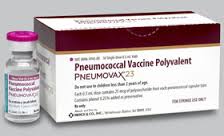
- Pneumococcal polysaccharide vaccine —the latest version is known as Pneumovax 23 —is the first pneumococcal vaccine derived from a capsular polysaccharide.
- PNEUMOVAX 23 is a vaccine indicated for active immunization for the prevention of pneumococcal disease caused by the 23 serotypes contained in the vaccine.
- PNEUMOVAX 23 is approved for use in persons 50 years of age or older and persons aged ≥2 years who are at increased risk for pneumococcal such as those with functional or anatomic asplenia, an immunocompromising condition (eg, HIV infection), a cerebrospinal fluid leak, a cochlear implant, or advanced kidney disease .
- Not recommended in children less than 2 years of age since polysaccharide antigens are poorly immunogenic in this age group.


| A |
1:1:1 |
|
| B |
1:2:1 |
|
| C |
3:1:3 |
|
| D |
4:3:4 |
Ans:C.)3:1:3
Vaccine shown is oral polio Vaccine Sabin.
Polio vaccine
Inactivated polio (Salk) vaccine
- IPV induces humoral immunity (IgM, IgG and IgA in the serum).
- Circulating antibodies protect the individual against paralytic polio, but do not prevent reinfection of the gut by wild viruses because IPV does not induce local intestinal immunity –
- Vaccine contains all the three types of poliovirus, inactivated by formalin, i.e. killed vaccine.
- It contains 40, 8 and 32 D antigen units of type 1, 2 and 3 virus respectively (Previous vaccine had 20, 2 and 4 D antigens, according to 20th/e of Park).
- The primary or initial course of immunization consists of 4 inoculation (4 doses).
- The first 3 doses are given at intervals of 1-2 months and 4′ dose 6-12 months after the third dose.
- First dose usually given when the infant is 6 weeks old.
- Additional doses are recommended prior to school entry and then every 5 years until the age of 18.
- Being an inactivated vaccine, it can be given to immunosuppressed individuals, e.g. AIDS patients.
- IPV is administered by IM injection (preferred) or subcutaneous injection.
- It can be combined with DPT, Hepatitis, and/or H. influenzae type B vaccine. In the combination vaccines, the alum or the pertussis vaccine, or both have an adjuvant effect.
- In regions without wild poliovirus, inactivated polio vaccine is the vaccine of choice.
- IPV is not recommended for control of epidemics.
Oral (sabin) polio vaccine
- It is mostly used in India (Routine immunizations, as well as pulse polio immunization).
- Useful in controlling epidemics.
- Relatively inexpensive.
- OPV induces local intestinal immunity by production of secretory IgA as well as humoral immunity by inducing production of serum antibodies (IgG). So, it gives protection from paralysis and also prevents infection of the gut by wild viruses.
- In OPV, the viruses multiply in the gut and the vaccine progency is excreted in the feces and secondary spread occurs to house hold contacts and susceptible contacts in the community.
- Non-immunized person may therefore, be immunized.
- Thus widespread herd immunity results, even if only approximately 66% of the community is immunized (100% coverage is not required).
- It contains live attenuated viruss (type 1, 2 and 3) grown in primary monkey kidney or human diploid cell culture.
- The vaccine contains :-
- i) Over 300,000 TCID 50 of type 1 poliovirus
- ii) Over 100,000 TCID 50 of type 2 poliovirus
- iii) Over 300,000 TCID 50 of type 3 poliovirus o Dose 2 drop (0.1 ml)
- Schedule in National Immunization Programme of India.
- OPV-0 (Zero dose) At birth
- OPV-1 6 weeks
- OPV-2 10 weeks
- OPV-3 14 weeks
- OPV-B (Booster dose) 16-24 months
- Disadvantages
- OPV is a thermolabile vaccine -p maintenance of cold chian is required and vaccine is stored at -20°C in deep freeze.

| A |
1-2 |
|
| B |
2-4 |
|
| C |
6-8 |
|
| D |
16-20 |
Ans:D.)16-20.
The Equipment shown in the image is Vaccine Carrier.
Cold Chain
- The ‘Cold chain’ is a system of storing and transporting the vaccines at recommended temperatures from the point of manufacture to the point of use.
- ‘Reverse cold chain’, which is a system of storing and transporting samples at recommended temperatures from the point of collection to the laboratory.
Cold Chain Equipment:
There are equipments of different capacity for storage of vaccines at different levels as under:
- Walk-in-Freezers:
- These are used for bulk storage of OPV, measles vaccines and also to prepare frozen ice-packs at state stores. They maintain a temperature around minus 20°C.
- Walk-in-Coolers:
- These are used for bulk storage of vaccines at State and Regional stores. They maintain a temperature of +2°C to +8°C.
- Deep Freezers:
- Deep freezers supplied under immunization programme have a top opening lid. The cabinet temperature is maintained between -18° to -20°C. This is used for storing of OPV and measles vaccine and also for freezing ice packs.These are available in two models, having a capacity of 300 litres (used at district headquarters) and 140 litres (used at PHC headquarters).
Vaccine Transportation Equipment
- Cold boxes
- Cold boxes are mainly used for transportation of large quantities of vaccines. They can also be used to store vaccines for transfer up to five days. These are of two sizes 5 litres and 20 litres with requisite number of ice packs. The 5 litre cold box can transport about 1500 doses of vaccines; the 20 litre boxes have enough space to transport about 6000 doses of vaccines.
- Vaccine Carriers
- Vaccine carriers are used for carrying small quantities of vaccines (16-20 vials) to the sub-centers or villages by health workers.
- Fully frozen ice packs are used to keep vaccines cold in the carrier. The vials of DPT, DT and TT vaccines should not be placed in direct contact with the frozen packs.Vaccines can be kept in the carrier for 48 hrs.

| A |
Measles |
|
| B |
DPT |
|
| C |
TT |
|
| D |
BCG |
Ans:Measles
In compartment
A:Oral Polio,Measles
B:DPT,Diluent,BCG,TT
C:Bottles of Water.
Which of the following regarding the oral polio vaccine (OPV) is not true?
| A |
Useful in epidemics |
|
| B |
Excretion of the virus in stools may cause disease to the unimmunized |
|
| C |
Rapid antibody response |
|
| D |
Protective even in the presence of maternal antibodies |
Ans. b. Excretion of the virus in stools may cause disease to the unimmunized
Oral Polio Vaccine (OPV):
- The OPV progeny excreted in the feces and secondary spread occurs to household contacts and susceptible contacts in the community.
- This property of OPV has been exploited in controlling epidemics of polio by administering the vaccine simultaneously in a short period to all susceptibles in a community.
- Nevertheless, several studies show that among breastfed infants, who are fed OPV in the first three days of life, 20-40 percent develop serum antibodies and 30-60 percent excrete vaccine virus.
- Colostrum produced in the first three days after child-birth contains secretory IgA antibody which might interfere with the production of an immune response to OPV
- “The OPV progeny excreted in the feces and secondary spread occurs to household contacts and susceptible contacts in the community. Non-immunized persons may, therefore, be immunized Thus, widespread ‘herd immunity’ results, even if only approximately 66 percent of the community is immunized. This property of OPV has been exploited in controlling epidemics of polio by administering the vaccine simultaneously in a short period to all susceptibles in a community. This procedure virtually eliminates the wild polio strains in the community and replaces them with attenuated strains.
| A | 2 weeks | |
| B |
4 weeks |
|
| C |
6 week |
|
| D |
8 weeks |
Ans. is ‘b’ i.e., 4 weeks
Basic principle of immunization
- Minimum 4 week interval recommended between 2 live vaccine administration except OPV and oral typhoid.
- Two or more killed vaccine may be administrated simultaneously or at any given interval
- A live and killed vaccine given simultaneously but at different site.
- If immunisation status unknown, give age appropriate vaccine
- Mixing of vaccine in same syringe not recommended
- Live vaccine should be avoided in AIDS,
| A |
Local swelling |
|
| B |
Fever |
|
| C |
Itching |
|
| D |
All of above |
Ans. is ‘d’ i.e., All of above
Mild problems following inactivated flu vaccine:
- Soreness, redness, or swelling where the shot was given
- Hoarseness
- Sore, red or itchy eyes
- Cough
- Fever
- Aches
- Headache
- Itching
- Fatigue
- If these problems occur, they usually begin soon after the shot and last 1 or 2 days.
Moderate problems following inactivated flu vaccine:
- Young children who get inactivated flu vaccine and pneumococcal vaccine (PCV13) at the same time may be at increased risk for seizures caused by fever. Ask your doctor for more information. Tell your doctor if a child who is getting flu vaccine has ever had a seizure.
Problems that could happen after any vaccine:
- Brief fainting spells can happen after any medical procedure, including vaccination. Sitting or lying down for about 15 minutes can help prevent fainting, and injuries caused by a fall. Tell your doctor if you feel dizzy, or have vision changes or ringing in the ears.
- Severe shoulder pain and reduced range of motion in the arm where a shot was given can happen, very rarely, after a vaccination.
- Severe allergic reactions from a vaccine are very rare, estimated at less than 1 in a million doses. If one were to occur, it would usually be within a few minutes to a few hours after the vaccination.
| A |
DPT |
|
| B |
Measles |
|
| C |
BCG |
|
| D |
Rubella |
Ans. is ‘a’ i.e., DPT
Bivalent meningococcal vaccine is ‑
| A |
A Y |
|
| B |
A C |
|
| C |
C y |
|
| D |
A W-I35 |
Ans. is ‘b’ i.e., A C
Two type of meningococcal vaccine develop
- Unconjugated polysaccharide vaccine.
- Conjugated group C vaccine.
Polysaccharide vaccines
- Internationally marketed meningococcal polysaccharide vaccines are o Bivalent (A and C),
- Trivalent (A, C and W-135)
- Tetravalent (A, C, Y and W-135).
- The vaccines are purified, heat-stable, lyophilized capsular polysaccharides from meningococci of the respective serogroups.
- A protective antibody response occurs within 10 days of vaccination.
- In schoolchildren and adults, one dose of these polysaccharide vaccines appears to provide protection for at least 3 years, but in children under 4 years of age the levels of specific antibodies decline rapidly after 2-3 years.
| A |
SCID |
|
| B |
Intussusception |
|
| C |
Severe allergic raction |
|
| D |
All of above |
Ans. is ‘d’ i.e., All of above
Pertussis vaccine side effect
| A |
Local pain |
|
| B |
Excessive cry |
|
| C |
Fever |
|
| D |
All of above |
Ans. is ‘d’ i.e., All of the above
Pertussis vaccine
- Available as whole cell and acellular as DTPw and DTPa
- Primary immunisation at 6, 10, 14 weeks followed by booster dose 1’/2 year and 5 year.
- Whole cell causes more side effect than acellular
- Side effect-local pain, redness, fever, irritability, excessive cry because of cortical irritation.
Contraindication
- Progressive neurological disease (Relative)
- Immediate anaphylasix
- Encephalopathy
- Persistent Inconsable cry
- Hypotensive – hyporesponsive episode
| A |
Recomended at age of 12 months |
|
| B |
2 dose of killed vaccine 6 months apart |
|
| C |
1 dose of live vaccine |
|
| D |
All are true |
Ans. is ‘d’ i.e., All are true
Hepatitis A (HepA) vaccines
- Routine vaccination:
- Minimum age: 12 months
- Killed HepA vaccine(available in India): Start the 2-dose HepA vaccine series for children aged 12 through 23 months; separate the 2 doses by 6 months.
- Live attenuated H2-strain Hepatitis A vaccine: Single dose starting at 12 months and through 23 months of age
| A |
SCID |
|
| B |
Intussusception |
|
| C |
Severe allergic reaction |
|
| D |
All of the above |
Ans. is ‘d ‘i.e., All of the above
After splenectomy which vaccine has to be given‑
| A |
Pneumococal |
|
| B |
Rotavirus |
|
| C |
BCG |
|
| D |
MMR |
Ans. is ‘a’ i.e., Pneumococal
Children at hight risk ofpneumococal disease :‑
- Congenital immunodeficiency
- HIV
- Immunosuppresant drug
- Sickle cell disease
- Asplenia, post splenectomy
- Chronic cardiac disease
- Chronic pulmonary, renal disease
- Diabetes mellitus
| A |
BCG, OPV, Hep-B |
|
| B |
Measles, DPT, OPV, Hib, Hep B. |
|
| C |
DPT, OPV, Hib, Hep B |
|
| D |
DPT, OPV, Hep B |
Ans. is ‘b’ i.e., Measles, DPT, OPV, Hip, Hep B.
Vaccine is available against which type of meningococcus ‑
| A |
Type A |
|
| B |
Type B |
|
| C |
Type A and C |
|
| D |
Type B and D |
Ans. is ‘c’ i.e., Type A and C
- Vaccine is a available against type A, type C, type Y and type W – 135 meningococci.
| A |
Salk polio |
|
| B |
KFD |
|
| C |
Sabin polio |
|
| D |
Meningococci |
Ans. is ‘c’ i.e., Sabin polio
There are 4 main types of vaccines:
- Live-attenuated vaccines
- Inactivated vaccines
- Subunit, recombinant, polysaccharide, and conjugate vaccines
- Toxoid vaccines
Live-attenuated vaccines
- Live vaccines use a weakened (or attenuated) form of the germ that causes a disease.
| A |
Haffkine institute, Mumba |
|
| B |
Central research institute, Kasauli |
|
| C |
Institute of preventive Medicine, Hyderabad |
|
| D |
Urban Health organization, Panaji |
Ans. is ‘b’ i.e., Central research institute, Kasauli
According to immunization schedule, children should receive influenza vaccine ‑
| A |
2 doses at 1 month interval |
|
| B |
3doses at 1month interval |
|
| C |
2 doses at one month interval with one booster dose later |
|
| D |
None of the above |
Ans. is ‘c’ i.e., 2 doses at one month interval with one booster dose later
- 2 doses of vaccine, separated by an interval of 3-4 weeks are considered necessary to induce satisfactory antibodies level.
- The protective value is 70-90% and immunity lasts for 6-12 months.
- Revaccination on an annual basis is recommended.
Influenza vaccines
1. Killed vaccines
- 2 doses, 3-4 weeks apart, 0.5 ml (for age > 3 years), subcutaneous.
- 70-90% protective efficacy; duration 3-6 months.
- Is rarely associated with Guillain Barre Syndrome (GBS).
2.Live attenuated vaccines
- Stimulate local + systemic immunity.
- Antigenic variations presents difficulties in manufacture.
3.Newer vaccines
- Split – virus vaccine ..
- Also known as ‘Sub-virion vaccine’
- Highly purified
- Lesser side effects
- Less antigenic – multiple injections required
- Useful for children o Neuraminidase – specific vaccine :
- Sub-unit vaccine containing N-antigen
- Permits subclinical infection – long lasting immunity
- Recombinant vaccine :
- Antigenic properties of virulent strain transferred to a less virulent strain.
- Contraindications to inactivated influenza vaccines :
- Severe allergy to chicken eggs
- History of hypersensitivity/anaphylactic reactions previously.
- Development of Guillain Bane Syndrome (GBS) within 6 weeks of vaccine.
- Infants less than 6 months age.
- Moderate-to-severe illness with fever
| A | Cholera vaccine | |
| B |
Tetanus vaccine |
|
| C |
Meningococcal vaccine |
|
| D |
Measles vaccine |
Ans. is `d’ i.e., Measles vaccine
As a rule of thumb, the vaccination with the live viral or bacterial vaccine is contraindicated in pregnancy.
The important ones are : –
Measles
Mumps
Poliomyelitis
Rubella
Yellow fever
Varicella
BCG
| A |
Group A |
|
| B |
Group B |
|
| C |
Group C |
|
| D |
Group Y |
Ans. is ‘b’ i.e., Group B
Meningococcal vaccines
- Currently available meningococcal vaccines include polysaccharide vaccines and polysaccharide-protein conjugate vaccines.
- The conjugate vaccines are more immunogenic and also induce immunogenic memory.
- Both vaccines are available against meningococci of serogroup A, C, W135 and Y.
- There is no group B vaccine is available at present.
| A | Day 0 | |
| B |
Day 3 |
|
| C |
Day 7 |
|
| D |
Day 28 |
Ans. is ‘b’ i.e., Day 3
Prevention of rabies
- Prevention of rabies may be of following types
- Post exposure prophylaxis
- Preexposure prophylaxis
- Post-exposure treatment of persons who have been vaccinated previously.
Schedules of vaccination for post exposure prophylaxis
A. Intramuscular schedules
- Routine shedule→ 6 doses on 0, 3, 7, 14 and 28 days with a booster on day 90.
- Abbreviated multisite schedule -4 2-1-1 regimen one dose is given in the right arm and one in left arm on day 0 after that one dose is given on day 7 and 21.
B. Intradremal schedules
- 2-site intradermal schedule One dose of vaccine is given at each of two sites on days 0, 3, 7 and 28.
- 8-site intradermal schedule→ On day “0” vaccine is give at 8 sites, on day 7 vaccine is given at 4 sites, and on days 28 and 90 vaccine is given at one site.
Pre-exposure prophylaxis
- Persons who run a high risk of repeated exposure such as laboratory staff working with rabies virus, veterinarian, animal handlers and wild -life officers should be protected by pre-exposure immunization.
- Cell-culture vaccine given on days 0, 7 and 21 or 28 (Total 3 doses)
- Further booster should be given at intervals of 2 years.
In post-exposure prophylaxis of immunized patient
- 2 day intradermal regimen ( 1 site) → Day 0 and day 3
- Intramuscular regimen → Day 0
- 4 site intradermal regimen_ (single-visit) → Day 0
| A |
OPV |
|
| B |
Rubella |
|
| C |
Measles |
|
| D |
BCG |
Ans. is ‘c’ i.e., Measles
