
Question
Treatment in cases of condition shown in the picture below is?
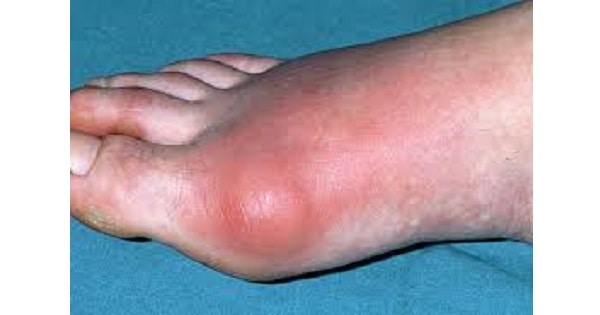
A. Allopurinol.
B. NSAID.
C. Uricosuric.
D. Both A & B

|
Correct Answer » B Explanation |
 |
Ans:B. NSAIDs.
The condition shown in the picture above represents acute gout.
Gout
Gout is caused by deposition of monosodium urate monohydrate crystals in the joints.
(pseudogout is caused by calcium pyrophosphate crystals).
Gout is managed in the following 3 stages:
- Treating the acute attack
- Providing prophylaxis to prevent acute flares
- Lowering excess stores of urate to prevent flares of gouty arthritis and to prevent tissue deposition of urate crystals
Acute treatment of proven crystal-induced arthritis is directed at relief of the pain and inflammation. Agents used in this setting include the following:
- Nonsteroidal anti-inflammatory drugs (NSAIDs), such as indomethacin
- Corticosteroids
- Colchicine (now less commonly used for acute gout than it once was)
- Adrenocorticotropic hormone (ACTH)
- Combinations of drugs (colchicine plus NSAIDs, oral corticosteroids plus colchicine, intra-articular steroids plus colchicine or NSAIDs)
- Therapy to control the underlying hyperuricemia generally is contraindicated until the acute attack is controlled (unless kidneys are at risk because of an unusually heavy uric acid load).
Long-term management of gout is focused on lowering uric acid levels. Agents used include the following:
- Allopurinol
- Febuxostat
- Probenecid
Because these agents change serum and tissue uric acid levels, they may precipitate acute attacks of gout. This undesired effect may be reduced by prophylaxis with the following:
- Colchicine or low-dose NSAIDs
- Low-dose prednisone (if patients cannot take colchicine or NSAIDs)
Nonpharmacologic measures that may be warranted are as follows:
- Avoidance or restricted consumption of high-purine foods
- Avoidance of excess ingestion of alcoholic drinks, particularly beer
- Avoidance of sodas and other beverages or foods sweetened with high-fructose corn syrup
