


Question
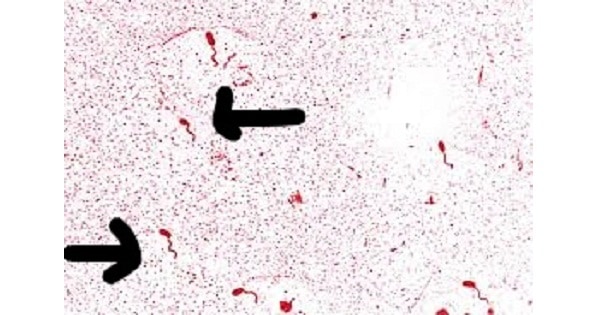
Phage encoded exotoxin to the bacteria marked by a black arrow in the photomicrograph below resembles which toxin of E. coli ?

A. Heat labile toxin.
B. Heat stable toxin.
C. Shiga like toxin.
D. Verocytotoxin.
Show Answer


|
Correct Answer » A Explanation |
 |

Ans:A. Heat labile toxin.
The bacteria marked by a black arrow in the photomicrograph above represents Vibrio.
Five classes (virotypes) of E. coli that cause diarrheal diseases are now recognized:
ETEC(enterotoxigenic E. coli )
- fimbrial adhesins e.g. CFA I, CFAII, K88. K99
- non invasive
- produce LT and/or ST toxin.
- Heat labile toxin of E. coli and cholera toxin resemble each other in their structure, antigenic properties and mode of action.
- Both act by activating adenyl cyclase in the enterocyte to form cyclic adenosine 5′ monophosphate (c AMP).
- Heat stable toxin of E. coli acts by activation of cyclic guanosine monophosphate (c GMP) in the intestine.
- watery diarrhea in infants and travelers; no inflammation, no fever
EIEC(enteroinvasive E. coli )
- nonfimbrial adhesins, possibly outer membrane protein
- invasive (penetrate and multiply within epithelial cells)
- does not produce shiga toxin
- dysentery-like diarrhea (mucous, blood), severe inflammation, fever
EPEC(enteropathogenic E. coli )
- non fimbrial adhesin (intimin)
- EPEC adherence factor (EAF) enables localized adherence of bacteria to intestinal cells
- moderately invasive (not as invasive as Shigella or EIEC)
- does not produce LT or ST; some reports of shiga-like toxin
- usually infantile diarrhea; watery diarrhea with blood, some inflammation, no fever; symptoms probably result mainly from invasion rather than toxigenesis
EAEC(enteroaggregative E. coli )
- adhesins not characterized
- non invasive
- produce ST-like toxin (EAST) and a hemolysin
- persistent diarrhea in young children without inflammation or fever
EHEC(enterohemorrhagic E. coli )
- adhesins not characterized, probably fimbriae
- moderately invasive
- does not produce LT or ST but does produce shiga toxin
- pediatric diarrhea, copious bloody discharge (hemorrhagic colitis), intense inflammatory response, may be complicated by hemolytic uremia