
Question
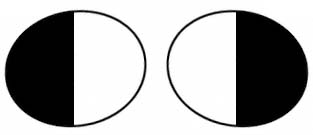
This condition is seen in the lesion of:
A. Lateral geniculate body
B. Optic nerve
C. Optic chiasma
D. Optic tract

|
Correct Answer » C Explanation |
 |
Ans. C: Optic chiasma
The image is seen of a Bitemporal hemianopia
Lesions of visual pathway
| No | Site of lesion | Causes | Features |
| 1 |
– |
– |
Normal |
| 2 | Optic nerve | Optic neuritis
Optic atrophy Sarcoidosis LHON Traumatic avulsion |
Complete blindness in affected eye
Loss of light reflex on the affected side and consensual reflex loss on the other side Near reflex present Central/paracentral scotoma |
| 3 | Central chiasma | Pituitary tumors (MCC)
Suprasellar aneurysm, Craniopharyngioma, Glioma of Ill ventricle |
Bitemporal hemianopia
Bitemporal hemianopic paralysis of pupillary reflexes |
| 3a | Lateral chiasma | Distension of 3rd ventricle,
Atheroma of post. communicating A |
Binasal hemianopia
Binasal hemianopic paralysis of pupillary reflexes |
| 4 | Optic tract
Geniculate body |
Syphilitic meningitis, gumma, tuberculosis, tumors of optic thalamus | Incongruous (contralateral) homonymous
hemianopia Contralateral Wernicke’s pupil (optic tract) |
| 5 | Optic radiations in
temporal lobe (inferior fibres) |
Superior quadrantic hemianopia (pie in the sky)
Normal pupillary reactions |
|
| 5a | Optic radiations in
parietal lobe (Superior fibres) |
Inferior quadrantic hemianopia (pie on the floor)
Normal pupillary reactions |
|
| 6 | Optic radiations | Homonymous hemianopia | |
| 7 | Anterior occipital
(visual) cortex |
Occlusion of posterior
cerebral artery |
Congruous homonymous hemianopia sparing macula |
| 8 | Tip of occipital cortex | Congruous homonymous macular defect |
Bilateral/Bitemporal hemianopia is a loss of temporal field vision in both eyes. This may be caused by a lesion that affects the centre of the optic chiasm and damages fibres from the nasal halves of the retina as they decussate. It is usually caused by the tumours in the region of sella turcica, pressure by a suprasellar aneurysm or by chronic arachnoiditis Possible causes of this condition include:
- Pituitary tumour
- Craniopharyngioma
- Suprasellar meningioma
