


Question
The following condition as shown in the image occurs as a result of :

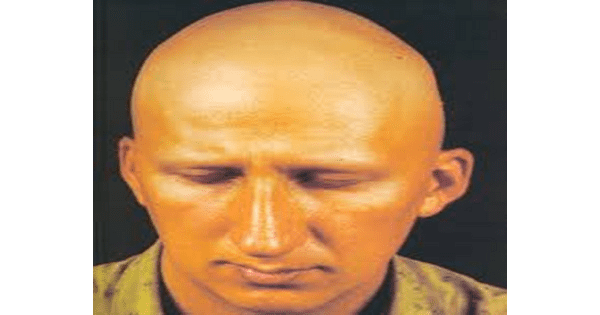
A. Alopecia Areata
B. Androgenic Alopeica
C. Lichen Planus
D. Telogen effluvium
Show Answer


|
Correct Answer » A Explanation |
 |

Ans:A. Alopecia Areata.
The image shown is of Alopecia Universalis ,which is a form of Alopecia Areata.
Alopecia
- The two major forms of alopecia are scarring and nonscarring
- Scarring alopecia there is associated fibrosis, inflammation, and loss of hair follicles.
- Scarring alopecia is more frequently the result of a primary cutaneous disorder such as:
- Lichen planus(Cicatrising alopecia with perifollicular blue-gray patches and hypopigmented macular lesions over trunk and oral mucosa )
- Staphylococcal folliculitis
- Herpes simplex and zoster
- Lupus vulgaris
- Lupus erythematosus
- Sarcoid
- Scleroderma
- Basal cell carcinoma
- In nonscarring alopecia the hair shafts are gone, but the hair follicles are preserved, explaining the reversible nature of nonscarring alopecia.
The most common causes of nonscarring alopecia include:
- Telogen effluvium,
- Androgenetic alopecia,
- Alopecia areata,
- Tinea capitis,
- Traumatic alopecia.
- Trichotillomania
- Psoriasis
Alopecia Areata
- Autoimmune disorder of hair follicles causing loss of hair in sharply defined areas of skin
- Results from arrest of hair follicles in late anagen phase.
- 10-20% patients give a family history
- HLA DR4, DR5, DQ3 are associated with severe alopecia
- HLA DQ3 and DR11 – associated with alopecia totalis & universalis
- ‘Exclamation mark’ hairs at the margin of the lesions.
- Non scarring & non patterned alopecia
- Particularly common between the ages of 15 and 30 years.
- Alopecia totalis is total or almost total loss of scalp hair.
- Alopecia universalis is loss of all body hair.
- Sites of Predilection: Scalp, eyebrows, eyelashes, pubic hair, beard.
- Nails: Fine pitting (“hammered brass”) of dorsal nail plate, mottled lunula, trachyonychia (rough nails), onychomadesis (separation of nail from matrix).