
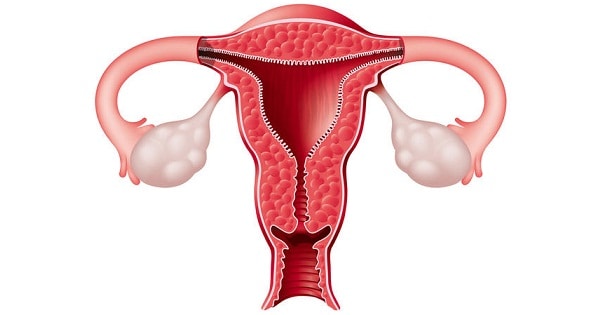
Adenomyosis
INTRODUCTION:
- Adenomyosis is a condition in which the inner lining of the uterus (the endometrium) breaks through the muscle wall of the uterus (the myometrium).
- Adenomyosis is a common condition.
- It is most often diagnosed in middle-aged women and women who have had children.
ETIOLOGY:
- Hormones : including estrogen, progesterone, prolactin, and follicle stimulating hormone — may trigger the condition.
- Some studies also suggest that women who have had prior uterine surgery may be at risk for adenomyosis.
CLASSIFICATION:
- Focal: As the name indicates, focal adenomyosis is adenomyosis in one particular site of the uterus.
- Adenomyoma: Adenomyoma is a form of focal adenomyosis, but it is more extensive, as it results in a uterine mass or benign tumor, similar to uterine fibroma.
- Diffuse: Unlike the other two classifications, diffuse adenomyosis is spread throughout the uterus
SYMPTOMS:
While some women diagnosed with adenomyosis have no symptoms, the disease can cause:
- Heavy, prolonged menstrual bleeding
- Severe menstrual cramps
- Infertility
- Abdominal pressure and bloating
- Painful periods and cramps (dysmenorrhea)
- Heavy menstrual bleeding (menorrhagia), which can include clots
- Painful bowel movement (dyschezia)
- Bladder symptoms including uncomfortable urination (dysuria), burning urination or blood in the urine (hematuria)
- Peripheral nerve numbness or weakness (neuropathy), which can cause leg or bowel pain during periods
- Pain upon sexual intercourse (dyspareunia)
- Inflammation of the uterus
- Deficiency of blood cells or hemoglobin (anemia)
- No symptoms: It can be common for some woman to present with no symptoms at all and not even know they have the disease
DIAGNOSIS:
- Physical examination
- MRI
- Transvaginal ultrasound
TREATMENT:
Non-surgical:Drugs
Surgical:
- Laparoscopic deep excision surgery within the uterus:This is the gold standard for minimally invasive excision surgery of adenomyosis that is classified as either focal or adenomyoma.
- Total Hysterectomy or partial hysterectomy:This is a surgical technique in which the uterus or part of the uterus is removed. It should be performed with caution and only in cases of severe diffuse adenomyosis.
Exam Question
- Infertility is seen in Adenomyosis
- Adenomyosis is Presents with menorrhagia, dysmenorrhea and an enlarged uterus
- Symptoms of adenomyosis Menorrhagia & Dysmenorrhea
- Treatment of adenomyosis is Total hysterectomy
Don’t Forget to Solve all the previous Year Question asked on Adenomyosis
