
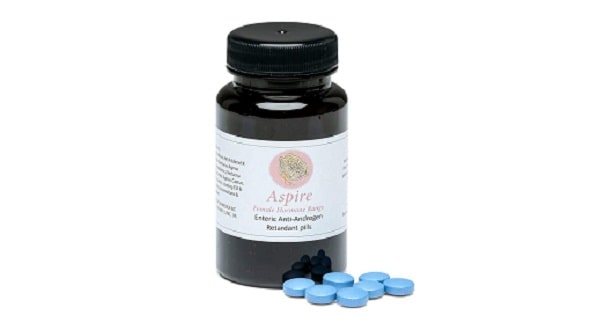
ANTI-ANDROGENIC DRUGS
ANTI-ANDROGENIC DRUGS
- MOA: Acts by inhibiting synthesis, activation or action of androgens.
Drug groups:
I) Steroid synthesis inhibitors:
- Drugs included: Ketoconazole & Abiraterone.
Ia) Ketoconazole:
- MOA:
- Inhibits synthesis of adrenal & gonadal hormones.
- On prolonged use – Serious toxicity limits usage in treatment of prostatic carcinoma.
- Adverse effects:
- Cause gynaecomastia – Due to increase in estradiol:testosterone ratio.
Ib) Abiraterone:
- Orally active prodrug.
- MOA:
- Acts by inhibiting 17-α-hydroxylase & 17, 20-lyase.
- Reduces synthesis of both cortisol & androgens.
- Approved for castration-resistant refractory prostate cancer.
II) 5-α reductase inhibitors:
- 5-α reductase –
- Most testosterone actions are mediated by its conversion to DHT by 5-α reductase.
- Actions mediated include growth of prostate, male pattern baldness & hirsutism in females.
- Drugs: Finasteride & dutasteride.
- Uses: BHP treatment, male pattern baldness & hirsutism – By reducing DHT production.
III) Androgen receptor inhibitors:
- MOA:
- Acts as antagonists of androgen receptors.
- Drugs:
- Cyproterone, cyproterone acetate, flutamide, bicalutamide, enzalutamide, nilutamide.
- Cyproterone acetate:
- Marked progestational activity.
- A component of contraceptive pills.
- Inhibits feedback enhancement of LH & FSH.
- Uses:
- Hirsutism treatment.
- Treatment of prostatic carcinoma.
- Flutamide:
- Cause gynaecomastia & reversible liver damage.
- Combined with GnRH agonists (like leuprolide) – To reduce initial flare-up reaction.
IV) Aldosterone antagonist:
- Spironolactone:
- Competes with DHT for its receptor.
- Used for hirsutism treatment & in heart failure.
Exam Important
- Anti-androgenic drugs act by inhibiting synthesis, activation or action of androgens.
- Anti-androgenic drugsinclude steroid synthesis inhibitors (ketoconazole & abiraterone), 5-α reductase inhibitors (finasteride & dutasteride), androgen receptor inhibitors (Cyproterone, cyproterone acetate, flutamide, bicalutamide, enzalutamide, nilutamide), aldosterone antagonist (Spironolactone).
- Ketoconazole inhibits synthesis of adrenal & gonadal hormones.
- Ketoconazole can cause gynaecomastia, due to increase in estradiol:testosterone ratio.
- Abiraterone is orally active prodrug, acts by inhibiting 17-α-hydroxylase & 17, 20-lyase.Abiraterone reduces synthesis of both cortisol & androgens.
- Abiraterone is approved for castration-resistant refractory prostate cancer.
- 5-α reductase enzyme mediates most testosterone actions by its conversion to DHT by 5-α reductase.
- Finasteride & dutasteride used for 5-α reductase inhibitors.
- Finasteride & dutasteride are useful for BHP treatment, male pattern baldness & hirsutism, by reducing DHT production.
- Cyproterone acetate is a component of contraceptive pills with marked progestational activity.
- Flutamide cause gynaecomastia & reversible liver damage.
- Flutamide is combined with GnRH agonists (like leuprolide, to reduce initial flare-up reaction.
- Spironolactone is used for hirsutism treatment & heart failure.
Don’t Forget to Solve all the previous Year Question asked on ANTI-ANDROGENIC DRUGS

