
Asphyxial Death
Introduction
- Asphyxia is defined as interference with respiration or due to lack of O, in respired air, due to which the tissue or organ is deprived of O2, and there is failure to eliminate CO2, causing unconsciousness or death.
- Hanging is the form of asphlxia, causedby suspension of the body by a ligature that encircles the neckthe constricting force being weight of the body.
- Asphyxial death is diagnosed by triad of the following
- Cyanosis
- Congestion : Due to increased venous pressure.
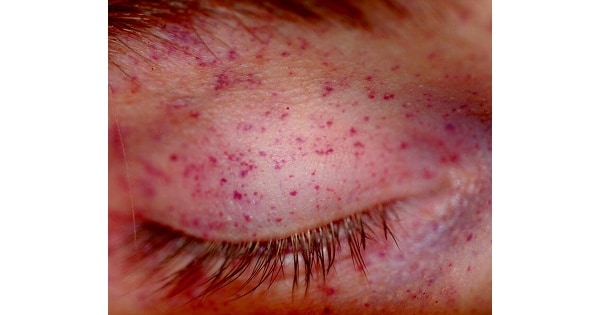
- Petechial hemorrhages (tardieu’s spots) : Present above the level of obstruction like scalp, eyebrows, face in hanging or strangulation and above the level of compression in traumatic asphyxia.
- They are generally Found in those parts where capillaries are least supported, e.g. face, conjunctivae, epiglottis, serous surface of heart and lungs, meninges and thymus.
- A method of homicidal smothering and traumatic asphyxia is known is Burking (To execute (someone) by suffocation so as to leave the body intact and suitable for dissection.)
- Tardieu’s spots are not pathiganic of asphlxia, as they are also found in bleeding disorders (scurvy, leukemia);
- coronary thrombosis; electrocution; poisoning, anticoagulant therapy anil blood dyscrasia (thrombocytopenia).
- Tardieu’s spots are not found in some form of asphlxia, e.g. drowning.
mechanical causes of asphyxia which can cause violent
asphyxial death. These mechanicai causes can be divided into
- hanging,
- strangulation,
- suffocation,
- drowning
Exam Important
- Asphyxial death is diagnosed by triad of the following
- Cyanosis
- Congestion : Due to increased venous pressure.
- Petechial hemorrhages (tardieu’s spots) : Present above the level of obstruction like scalp, eyebrows, face in hanging or strangulation and above the level of compression in traumatic asphyxia.
- Asphyxial death is diagnosed by triad of the following
- Cyanosis
- Congestion : Due to increased venous pressure.
- Petechial hemorrhages (tardieu’s spots) : Present above the level of obstruction like scalp, eyebrows, face in hanging or strangulation and above the level of compression in traumatic asphyxia.
- They are generally Found in those parts where capillaries are least supported, e.g. face, conjunctivae, epiglottis, serous surface of heart and lungs, meninges and thymus.
- A method of homicidal smothering and traumatic asphyxia is known is Burking (To execute (someone) by suffocation so as to leave the body intact and suitable for dissection.)
- Tardieu’s spots are not pathiganic of asphlxia, as they are also found in bleeding disorders (scurvy, leukemia);
- coronary thrombosis; electrocution; poisoning, anticoagulant therapy anil blood dyscrasia (thrombocytopenia).
- Tardieu’s spots are not found in some form of asphlxia, e.g. drowning.
mechanical causes of asphyxia which can cause violent asphyxial death. These mechanicai causes can be divided into
- hanging,
- strangulation,
- suffocation,
- drowning
Don’t Forget to Solve all the previous Year Question asked on Asphyxial Death

