


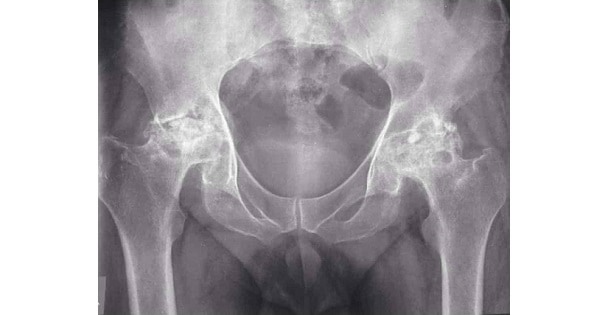
AVASCULAR NECROSIS
AVASCULAR NECROSIS
- Also known as osteonecrosis or aseptic necrosis.
- Condition where the blood flow to an area of bone is compromised.
- Avascular necrosis causes deformation of the bone.
- Leads to secondary osteoarthritis a few years later.
- Thus causing painful limitation of joint movement.
Common sites:
|
Site |
Cause |
| Head of the femur (m/c) |
|
| Proximal pole of scaphoid |
|
| Body of the talus |
|
Causes of AVN
- Steroids
- Alcohol
- Sickle cell disease
- Trauma
Symptoms of AVN
- Pain, often in the groin or buttock
- Stiffness of the hip joint
Diagnosis
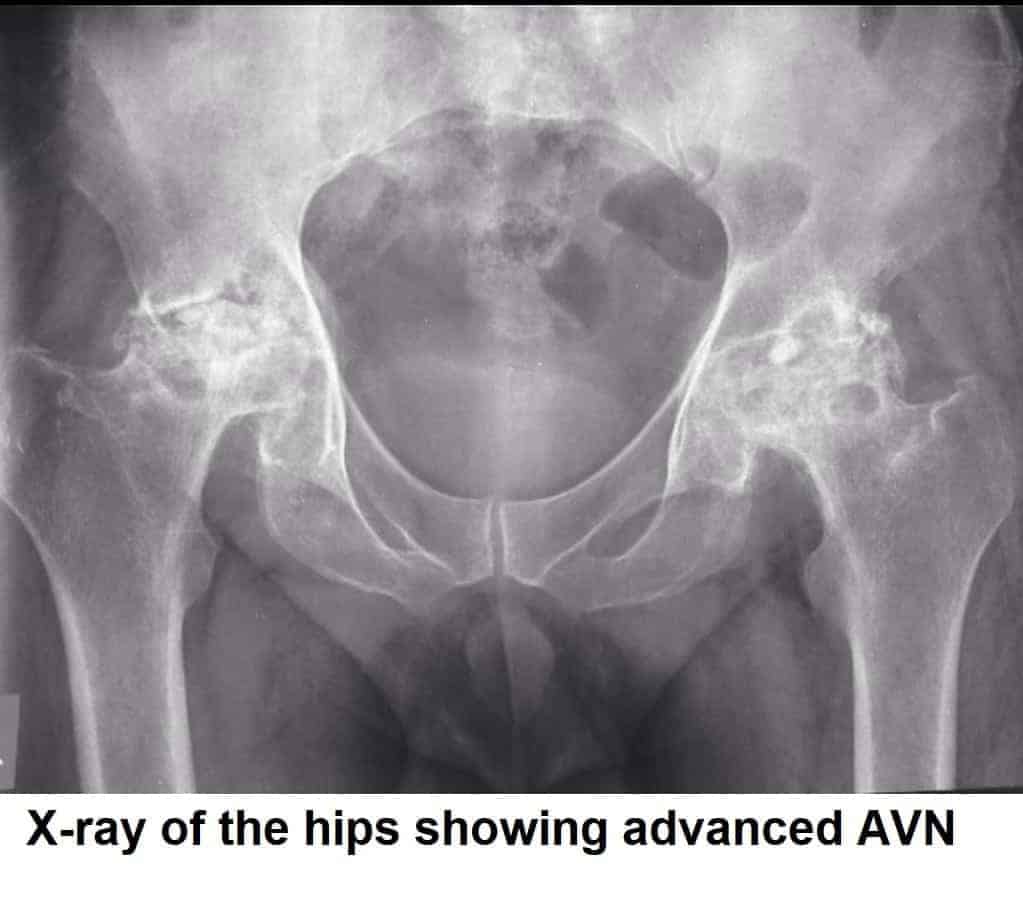
Radiological changes:
- Sclerosis of necrotic area
- Deformity of the bone-because of the collapse of necrotic bone
Osteoarthritis- giving rise to diminished joint space, osteophytes

Bone scan:
- Visible as ‘cold area’ on the bone scan.
Treatment:
- Depending on multiple contributing factors, AVN can be treated with or without surgery.
Conservative (non-operative)
- Observation
- Restricted weight bearing
- Anti-inflammatory medications
- Bisphosphonates
Surgical treatment
- Core decompression
- Hip replacement
Exam Important
- Avascular necrosis is commoner in Head of the femur.
- Best diagnostic modality to diagnose avascular necrosis is MRI scan.
Don’t Forget to Solve all the previous Year Question asked on AVASCULAR NECROSIS

