
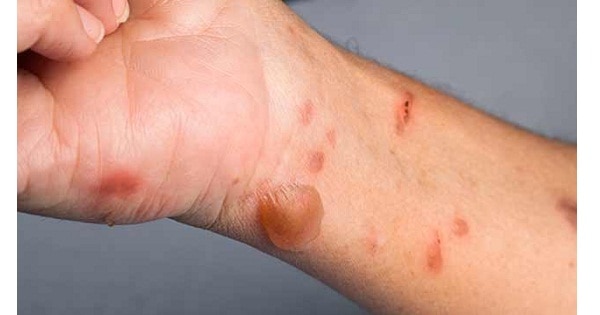
Burns(Thermal injury): Degree of burns
Introduction:
- It is defined as tissue injury due to application of heat in any form to the external or internal body surfaces.
- Section 324 & 326 I.P.C. specifies any ‘hurt’ or ‘grievous hurt’ which is caused by ‘fire or any heated substance’ or ‘corrosive’ or ‘explosive substance’ is punishable more severely in comparison to unspecified means.
- Simple burns are caused by application of dry heat. The minimum temperature for producing a burn is about 440 C for an exposure of about 5-6 hours.
- At 650C, two seconds are sufficient to produce burns, and full thickness destruction of skin occurs within seconds above 700 C.
Classification & Degree of Burns:-
Dupuytren classified burns into six degrees, which can be merged into three degree by Wilson.
(A) Wilson’s Classification (merged) : can be categorized into 3 types depending upon body layer involved.
1) Epidermal: (first-and second-degree dupuytren)
- The affected part is erythematous (red) and blister formation, there is capillary dilatation and transudation of fluid into the tissue causing swelling.
- Repair is complete without scar formation. These are painful burns’.
2) Dermo epidermal : (third and fourth degrees dupultren)
- Whole thickness of skin is destroyed with destruction of dermal appendages.
- These burns appear as shriveled, depressed areas of coagulated tissue, bordered by reddish blistered skin.
- Pain and shock are greater than in first-degree burns.
3) Deep: (fifth and sixth degrees)
- When deeper tissues below skin are involved viz. subcutaneous tissues, muscles and bones etc.
- These are relatively less painful owing to destruction of nerve endings and heal with scar and contracture formation.
- Disfigurement and loss of function chiefly when near a joint.
(B) Degree of burns (Dupuytren):
Degree I:
- when low degree heat is applied for very short duration, there occurs an erythema or redness over area of contact and is painful.
- The covering superficial layer of epidermis may get devitalized and sheds off in few days.
Degree II:
- The epidermis is affected completely.
- Blister formation(subepidermal) which contain serous fluid which is rich in protein and chloride.
- Very painful may produce hypovolumic shock. heal in 1-3 weeks, may rupture & get infected.
Degree III
- Epidermis is completely destroyed with involvement of dermis, blister formation with red line.
- Ulcerate and may get infected, extremely painful. They heal with formation of scar.
Degree IV
- Whole thickness of skin is involved.
- not much painful owing to destruction of nerve ending.
- followed by sloughing after some days.
DegreeV
- Depth of lesion extends further and subcutaneous tissue is involved.
- less painful owing to total destruction of sensory nerve endings.
- Heal with deep scarring, produce contractures and when close to a joint.
Degree VI
- In this muscles and bone are also involved.
- There occurs charring of the limb and heal with much difficulty with contracture formation.
Exam Important
- It is defined as tissue injury due to application of heat in any form to the external or internal body surfaces.
- Section 324 & 326 I.P.C. specifies any ‘hurt’ or ‘grievous hurt’ which is caused by ‘fire or any heated substance’ or ‘corrosive’ or ‘explosive substance’ is punishable more severely in comparison to unspecified means.
Dupuytren classified burns into six degrees, which can be merged into three degree by Wilson.
(A) Wilson’s Classification (merged) : can be categorized into 3 types depending upon body layer involved.
1) Epidermal: (first-and second-degree dupuytren)
- The affected part is erythematous (red) and blister formation, there is capillary dilatation and transudation of fluid into the tissue causing swelling.
- Repair is complete without scar formation. These are painful burns’.
2) Dermo epidermal : (third and fourth degrees dupultren)
- Whole thickness of skin is destroyed with destruction of dermal appendages.
- These burns appear as shriveled, depressed areas of coagulated tissue, bordered by reddish blistered skin.
- Pain and shock are greater than in first-degree burns.
3) Deep: (fifth and sixth degrees)
- When deeper tissues below skin are involved viz. subcutaneous tissues, muscles and bones etc.
- These are relatively less painful owing to destruction of nerve endings and heal with scar and contracture formation.
- Disfigurement and loss of function chiefly when near a joint.

