
Cellulitis
INTRODUCTION:
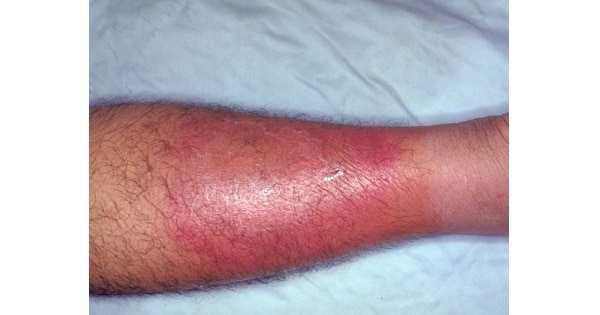
- Cellulitis is a common bacterial skin infection. Cellulitis may first appear as a red, swollen area that feels hot and tender to the touch.
- The redness and swelling often spread rapidly. Cellulitis is usually painful.
- In most cases, the skin on the lower legs is affected, although the infection can occur anywhere on your body or face.
- Cellulitis usually affects the surface of your skin, but it may also affect the underlying tissues of your skin.
- Cellulitis can also spread to your lymph nodes and bloodstream.
SYMPTOMS :
The symptoms of cellulitis may include:
- Pain and tenderness in the affected area
- Redness or inflammation of your skin
- Skin sore or rash that appears and grows quickly
- Tight, glossy, swollen appearance of the skin
- Central area that has an abscess with pus formation
- Fever,shaking,fatigue,dizziness,lightheadedness,muscle aches,warm skin,sweating
- Cellulitis of floor of mouth can lead to Ludwigs angia
- Cellulitis of lower limb Are Infection of skin & subcutaneous tissue showing distinct margins with Fever & malaise
ETIOLOGY & RISK FACTORS:
- Cellulitis occurs when certain types of bacteria enter through a cut or crack in the skin.
- Cellulitis is commonly caused by Staphylococcus aureus and Streptococcus bacteria Clostridium perfringens.
TREATMENTS:
| Location | Likely Organisms | Antibiotic Regimen -Oral/ Outpatient | Antibiotic Regimen — Parenteral/ Hospitalized |
| Uncomplicated cellulitis |
|
|
Cefazolin or oxacillin or nafcillin |
| Cellulitis, concern for methicillin-resistant S aureus is a concern |
|
Vancomycin, Teicoplanin and Linezolid are all active against most Methicillin-resistant Staphylococcus aureus (MRSA). | Vancomycin Daptomycin Ceftaroline |
| Dog bite |
|
Amoxicillin/ clavulanate
Penicillin allergic: Moxifloxacin |
Third-generation cephalosporin (ceftriaxone [Rocephin]) plus metronidazole or beta-lactam/beta-lactamase inhibitor (eg, ampicillin/sulbactam) or fluoroquinolone plus metronidazole or carbapenem (ertapenem) |
| Human bite |
|
Amoxicillin/ clavulanate Penicillin allergic: Moxifloxacin or (Clindamycin or metronidazole) plus (doxycycline or cefuroxime or trimethoprim/ sulfamethoxazole) |
Third-generation cephalosporin (Rocephin) plus metronidazole or beta-lactam/beta-lactamase inhibitor (eg, ampicillin/sulbactam) or fluoroquinolone plus metronidazole or carbapenem (ertapenem) |
| Cat bite |
|
Amoxicillin/ clavulanate Penicillin allergic -Moxifloxacin or (Clindamycin or metronidazole) plus (doxycycline or cefuroxime or trimethoprim/ sulfamethoxazole) |
Third-generation cephalosporin (Rocephin) plus metronidazole or beta-lactam/beta-lactamase inhibitor (eg, ampicillin/sulbactam) or fluoroquinolone plus metronidazole or carbapenem (ertapenem) |
| Preseptal (periorbital) cellulitis |
|
Amoxicillin-clavulanate, cefpodoxime, cefdinir | Third-generation cephalosporin (Rocephin) |
| Lower extremity – Complicating saphenous venectomy site after coronary bypass grafting |
|
Dicloxacillin or cephalexin.
|
First-generation cephalosporin (cefazolin); clindamycin; vancomycin |
| Breast/arm – – (not mastitis) Complicating breast cancer surgery/lymph node dissection |
Group A or Non-group A beta-hemolytic streptococci most likely organisms |
Dicloxacillin, cephalexin. Add trimethoprim/ sulfamethoxazole or tetracycline or clindamycin if concern for methicillin-resistant S aureus | Multiple regimens, none clearly superior –Piperacillin/tazobactam or ceftazidime plus aminoglycoside; or ciprofloxacin plus beta-lactam or monotherapy with piperacillin/tazobactam or cefepime |
| Aquatic environment
Puncture/ laceration |
Aeromonas hydrophila, Pseudomonas and Plesiomonas species, Vibrio species, Erysipelothrix rhusiopathiae, Mycobacterium marinum, and others | Fluoroquinolone (eg, ciprofloxacin or levofloxacin) Note: For M marinum infection, use clarithromycin plus either ethambutol or rifampin |
Third- or fourth-generation cephalosporin (eg, ceftazidime or cefepime) or fluoroquinolone (eg, ciprofloxacin or levofloxacin) |
| Clenched-fist injury |
|
Amoxicillin/ clavulanate; penicillin allergic: Moxifloxacin or (clindamycin or metronidazole) plus (doxycycline or cefuroxime or trimethoprim/ sulfamethoxazole) |
Beta-lactam/beta-lactamase inhibitor (eg, ampicillin/sulbactam) |
| Odontogenic facial cellulitis |
|
Amoxicillin-clavulanate or clindamycin |
Beta-lactam/beta-lactamase inhibitor (eg, ampicillin/sulbactam) or clindamycin |
Exam Question
- Cellulitis is commonly caused by S aureus , streptococcus pyogenes & Clostridium perfringens.
- Vancomycin, Teicoplanin and Linezolid are all active against most Methicillin-resistant Staphylococcus aureus (MRSA) infection causing cellulitis
- Cellulitis of floor of mouth can lead to Ludwigs angia
- Pasteurella multocida is the most common causative micro organism of cellulitis in case of cat bite
- Treatment of spreading streptococcal cellulitis is penicillin
- cellulitis of lower limb Are Infection of skin & subcutaneous tissue showing distinct margins with Fever & malaise
Orbital cellulitis is caused by
- Pneumococcus(on culture show greenish colonies and optochin sensitivity)
- Apophysomyces species(severe panophthalmitis with cellulitis shows irregular branching aseptate and broad hyphae)
- Aspergillus(hyaline, narrow, septate and branching hyphae)
Don’t Forget to Solve all the previous Year Question asked on Cellulitis
