
Choledochal Cyst
CHOLEDOCHAL CYST
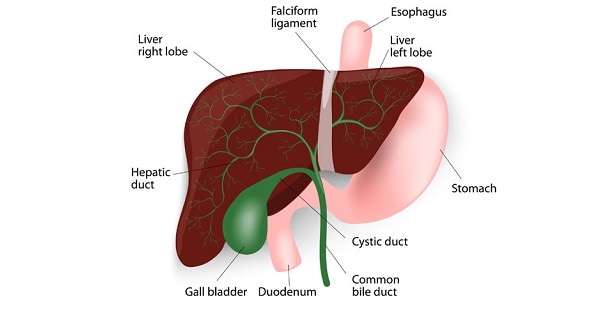
- A choledochal cyst is an isolated or combined congenital dilatation of the extrahepatic or intrahepatic biliary tree.
Classification of Choledochal cyst
- Type I – a type I cyst is characterized by fusifonn dilatation of the bile duct.– this is the most common type
- Type II – a type II cyst appears as a diverticulum protruding from the wall of the CBD.
- Type III – a type III cyst is dilatation of the biliary tract within the duodenum; also k/a choledochocele Type IV
- Type IV A – multiple dilatation of the intrahepatic and extrahepatic bile ducts.
- Type IV B – multiple dilatation involving only the extrahepatic bile ducts.
- Type V – consists of multiple dilatation of the intrahepatic bile ducts; also known as Carolis disease.
Clinical Features:
- more common in females than in males (4:1)
- typically choledochal cysts present in children beyond the toddler age group.
- the classical triad presents only in a minority of patients; it consists of
- abdominal pain
- jaundice
- abdominal mass
- If the disorder is left undiagnosed, patients may develop cholangitis or pancreatitis. Cholangitis may lead to the development of cirrhosis and portal hypertension.
- Choledochal cysts are seen to be frequently associated with an anomalous junction of the pancreatic and biliary duct.
Complications caused by choledochal cyst
- recurrent cholangitis
- pancreatitis
- gall stones
- cirrhosis with portal hypertension
- portal vein thrombosis with resultant portal hypertension
- cyst rupture with biliary peritonitis (very rarely)
- malignancy:
- Choledochal cyst is a risk factor for the following cancers :biliary tree (most common) ,liver ,gall bladder ,duodenum pancreas
Diagnosis
- ERCP is the most reliable investigation but is invasive
- MRCP is the best noninvasive investigation
Treatment
- Cholecystectomy + Cyst excision with reconstruction via a biliary-enteric Roux-en-Y anastomosis is the treatment of choice for all choledochal cysts except type III (choledochocele) and intrahepatic cysts of type IV & type V
- (Caroli’s disease)
Treatment of type III (Choledochocele)
- transduodenal sphincteroplasty or sphincterotomy – cyst excision
Treatment of intrahepatic cysts of type IV & V
- if the intrahepatic cysts are localized, hepatic lobe is resected
- if the intrahepatic cysts are diffuse only effective treatment is liver transplantation.
Exam Question
- Choledochal Cyst is associated with anomalous junction of the pancreatic and biliary duct.
- Surgical removal is the treatment of choice in a case of Choledochal Cyst.
- Choledochal cyst if ruptures ,can cause biliary peritonitis.
- Type I is the most common.
- In case of choledochal cyst, side-to-side choledochoduodenostomy is NOT recommended because of the risk of recurrent cholangitis.
- Conjugated hyperbilirubinemia in infancy may be seen in Choledochal Cyst.
- Choledochal Cyst presents with Pain, lump and progressive jaundice.
- Saccular diverticulum of extrahepatic bile duct in choledochal cyst is classified as Type-II.
- Choledochal Cyst may predispose to Cholangiocarcinoma.
Don’t Forget to Solve all the previous Year Question asked on Choledochal Cyst
