


Diabetes Ketoacidosis
DEFINITION:
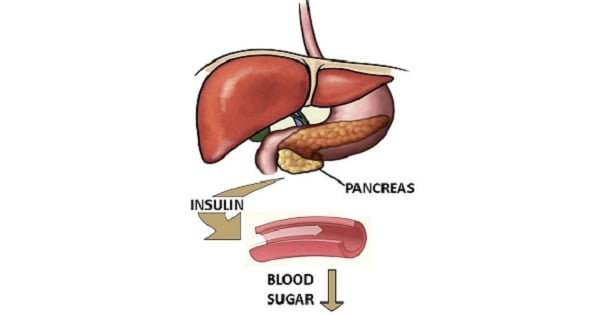
- It is a state of absolute or relative insulin deficiency aggravated by ensuing hyperglycemia,dehydration & acidosis producing derangements in intermediatory metabolism.
- DKA is far more characteristic feature of type 1 Diabetes mellitus than of type 2 Diabetes mellitus.
- Oxygen dissociation curve shifts to right in diabetic ketoacidosis
- Cause of death in diabetic ketoacidosis in children is Cerebral edema
LAB DEFINITION:
- Blood glucose level > 250 mg/dl
- Blood pH < 7.3
- Ketones in serum > 5 m.eq/L
- High Anion Gap Acidosis
MECHANISM:
- The basic underlying mechanisms are:Absolute deficiency of circulating insulin.Secretion of insulin counterregulatory hormones; glucagon, adrenaline, cortisol and growth hormone.
- Increase in glucagon/insulin ratio, increased CAMP
- This leads to disturbances in the following physiological processes:
- Glucose utilization (hyperglycemia).
- Proteolysis ( amino acids, glutamine and alanine).
- Lipolysis ( glycerol and FFAs).
- Glycogenolysis (breakdown of muscle glycogen lactate).
- Gluconeogensis (glutamine & alanine & glycerol & lactate are the precursors).
INITIATING OR TRIGGERING FACTORS:
- Infection
- Pneumonia & UTI most commonly
- Inadequate use of insulin
- Not taking insulin.
- Emotional stress
- Drugs:
- Corticosteroids
- Antihistamines
- Thiazide Diuretics
- Pancreatitis
CLINICAL FEATURES:
Symptoms of DKA:
- Classic symptoms of hyperglycemia: short period of time:
- Polyuria, polydipsia, weight loss and thirst.
Other symptoms:
- General weakness, malaise and lethargy.
- Nausea, vomiting and abdominal pain.
- Perspiration.
- Disturbed consciousness and confusion.
- Symptoms of underlying infections or other conditions; fever, abdominal pain, dysuria, chest pain…etc
- General signs: Ill appearance and disturbed consciousness.
- Orbital mucormycosis is a complication of diabetic ketoacidosis
Signs of dehydration:
- Skin: Dry, hot, flushed, and loss of skin turgor.
- Tongue: Dry (sometimes woody tongue).
- Eyes: Sunken eyes and dark circles under the eyes.
Vital signs:
- Tachycardia, hypotension and tachypnea.
Specific signs:
- Ketotic breath: A strong, fruity breath odour (similar to nail polish remover or acetone).
- Acidotic breath (Kussmaul’s respiration): deep and rapid.
- Abdominal tenderness.
DIAGNOSIS:
- You should suspect DKA if a diabetic patient presents with:Dehydration.
- Acidotic (Kussmaul’s) breathing, with a fruity smell (acetone).
- Abdominal pain &\or distension.
- Vomiting.
- Decreased Bicarbonate is seen in diabetic ketoacidosis
- An altered mental status ranging from disorientation to coma.
PITFALLS IN DKA:
- High WCC: may be seen in the absence of infections.
- BUN: may be elevated with prerenal azotemia secondary to dehydration.
- Creatinine: some assays may cross-react with ketone bodies, so it may not reflect true renal function.
- Serum Amylase: is often raised, & when there is abdominal pain, a diagnosis of pancreatitis may mistakenly be made
|
Factors |
DKA |
Starvation |
|
pH |
↓ |
normal |
|
Plasma glucose |
↑ |
normal |
|
Glycosuria |
+ + |
—- |
|
Total plasma ketones |
↑↑ |
Mild ↑ |
|
Anion gap |
↑ |
Mild ↑ |
|
Osmolality |
↑ |
normal |
TREATMENT:
General measures:
- Airway and O2 inhalation if needed.
- IV line.
- Urinary Foley’s catheter (if in shock).
- NGT (Nasogastric Tube): to avoid gastric dilatation and protection from aspiration .
- Thrombosis prophylaxis: 5000 units of heparin SC/12 hours.
- Empiric use of 3rd generation cephalosporin antibiotics.
Specific measures:
- Successful therapy of hyperglycemic crises requires the administration of:
Fluids:
- Correct volume deficit and hypotension.
- Improve tissue perfusion.
- Improve insulin sensitivity (¯insulin counterregulatory hormones).
- Improve glomerular filtration rate:
- ↑ excretion of large amount of glucose in urine.
- Clears hyperketonemia.
- Correct metabolic acidosis.
Regular Insulin: Reversal of metabolic abnormalities :
- Corrects hyperglycemia.
- Inhibits ketogenesis.
- Potassium: Prevents complications associated with hypokalemia.
- Somatostatin :inhibiting glucagon & GH release.(These counter regulatory hormones are increased in DKA)
Exam Question
- High Anion Gap Acidosis is seen in Diabetic Ketoacidosis
- A patient with diabetic ketoacidosis in coma should be given immediate insulin therapy with Potassium supplementation
- Increase in glucagon/insulin ratio, increased CAMP and increased blood glucose is seen in diabetic ketoacidosis
- Decreased Bicarbonate is seen in diabetic ketoacidosis
- Oxygen dissociation curve shifts to right in diabetic ketoacidosis
- Orbital mucormycosis is a complication of diabetic ketoacidosis
- Somatostatin is used in Diabetic ketoacidosis
- The drug of choice for managing hyperglycemia in diabetic ketoacidosis is Regular insulin
- Cause of death in diabetic ketoacidosis in children is Cerebral edema
Don’t Forget to Solve all the previous Year Question asked on Diabetes Ketoacidosis