
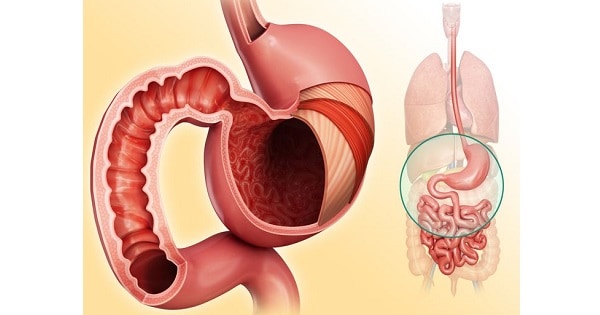
Digestion And Absorption Of Carbohydrate
DIGESTION AND ABSORPTION OF CARBOHYDRATE
Forms of carbohydrate:
- Starch (Abundant form), Sucrose & Lactose
Digestion Process:
- Starts in mouth itself.
- Starch – Polysaccharide composed entirely of glucose units linked by 1, 4 – alpha linkage & 1, 6 branching point.
Enzymes involved:
- Salivary amylase (Ptyalin)
- Pancreatic amylase
- Both salivary and pancreatic amylases are activated by Cl-.
- By hydrolysis of amylase enzymes.
- Optimal pH is 6-7. (vs acidic in stomach).
- Salivary amylase is more sensitive to pH.
- Inactive if not optimal.
Mechanism of starch hydrolysis:
- Amylase attacks only internal, 1-4 α glucose-glucose bonds.
- Spares 1-6 linkages & terminal 1-4 α linkages.
End products:
- Maltose – disaccharide, two glucose residues linked by 1:4 α bonds.
- Maltotriose – trisaccharide, three glucose residues linked by 1:4 α bonds.
- Alpha limit dextrins – Polymers of glucose containing 8 glucose molecules with 1-6 α linkages
- Further digestion of starch derivatives (disaccharides) occurs by enzymes (oligosaccharides).
- Present in small intestinal epithelial cell brush border.
Enzymes involved:
Maltase (c-glucosidase):
- Breaks 1:4 linkages in maltose & maltotriose
- Releases glucose – 2 & 3 glucose molecules from maltose & maltotriose respectively.
Isomaltase (α -limit dextrinase)
- Breaks 1: 6 α linkages of alpha-limit dextrin & releases glucose.
- Only enzyme that attacks 1:6 α linkages
Sucrose-isomaltase:
- Sucrase α -limit dextrinase
- Bifunctional enzyme that catalyzes the hydrolysis of sucrose & isomaltose (α -limit dextrin).
Sucrase:
- Present in brush border of intestinal epithelium
- Hydrolyses Sucrose into Fructose & Glucose
- Sub-type: Sucrase α-limit dextrinase
- Lactase (β-glucosidase) – Hydrolyses Lactose into Galactose
Trehalase:
- Hydrolyzes trehalose (1:1 α – linked dimer of glucose) into two glucose molecules.
- Trehalose is found in mushrooms
- Glucose, Galactose & Fructose needs absorption.
Absorption mainly in:
- Small intestine, especially in proximal part of jejunum.
- Also in distal jejunum & ileum.
- Rapid absorption – Seen with monosaccharides specially hexoses (glucose, fructose, galactose).
1. Absorption of Glucose & galactose:
- By secondary active transport (cotransport) with Na2+.
- Absorbed from lumen against concentration gradient
Carrier protein:
- Cotransporter SGLT-1.
- Glucose & galactose are transported from enterocytes out into interstitium
By GLUT-2 located in basolateral membrane.
2. Absorption of Fructose:
- By facilitated diffusion
- Absorbed along concentration gradient
- Carrier protein-
GLUT-2.
- Fructose is transported from enterocytes out into interstitium.
- Absorption of hexose sugars (glucose, fructose & galactose)
- From interstitium diffuse into capillaries.
- Pentose sugars{D-xylose & D-arabinose}:
- Absorbed by simple diffusion in proximal small intestine (jejunum).
DIGESTION AND ABSORPTION OF CARBOHYDRATE
- Starch – Polysaccharide composed of glucose units linked by 1, 4 – alpha linkage & 1, 6 branching point.
Enzymes involved:
- Salivary amylase (Ptyalin).
- Pancreatic amylase.
- Both activated by Cl–
- Optimal pH is 6-7. (vs acidic in stomach).
Mechanism of starch hydrolysis:
- Amylase attacks only internal, 1-4 α glucose-glucose bonds.
- Spares 1-6 linkages & terminal 1-4 α linkages.
End products:
- Maltose
- Maltotriose
- Alpha limit dextrins
Digestion in Intestine:
- Digestion of starch derivatives (disaccharides),
- Enzymes (oligosaccharides) present in brush border of small intestinal epithelial cells.
Enzymes involved:
1. Maltase (c-glucosidase):
- Breaks 1:4 linkages in maltose & maltotriose
2. Isomaltase (α -limit dextrinase)
- Only enzyme that attacks 1:6 α linkages
Sucrose-isomaltase:
- Sucrase α -limit dextrinase.
- Bifunctional enzyme that catalyzes hydrolysis of sucrose & isomaltose (α -limit dextrin).
3. Sucrase:
- Present in brush border of intestinal epithelium
- Hydrolyses Sucrose into Fructose & Glucose
4. Lactase (β-glucosidase):
- Hydrolyses Lactose into Galactose
ABSORPTION OF DIGESTED CARBOHYDRATES:
1. End products of carbohydrate digestion –
- Glucose, Galactose & Fructose needs absorption.
2. Absorption mainly in:
- Small intestine, especially in proximal part of jejunum.
3. Mechanism:
- Rapid absorption – Seen with monosaccharides specially hexoses (glucose, fructose, galactose).
3a. Absorption of Glucose & galactose:
- By secondary active transport (cotransport) with Na2+.
- Absorbed from lumen against concentration gradient
Carrier protein:
- Cotransporter SGLT-1.
- Transportation by GLUT-2 located in basolateral membrane.
3b. Absorption of Fructose:
- By facilitated diffusion
- Absorbed along concentration gradient
- Carrier protein- GLUT-2.
- Fructose is transported from enterocytes out into interstitium by GLUT-2.
- Pentose sugars {D-xylose & D-arabinose}:
- By simple diffusion in proximal small intestine (jejunum).
