
Edema- basics
OEDEMA
- Edema is an accumulation of interstitial fluid within tissues (5-6 litres)
- Edema develops when plasma protein is below 5 gm/dl.
Edema is of 2 main types-
- Localised
- Generalised (anasarca)
Edema fluid is of 2 types-
- Transudate
- Exudate
Pathogenesis-
- Decreased plasma oncotic pressure-
- E.g. Oedema in renal diseases- nephritic & nephritic syndrome
- Ascites of liver disease (cirrhosis)

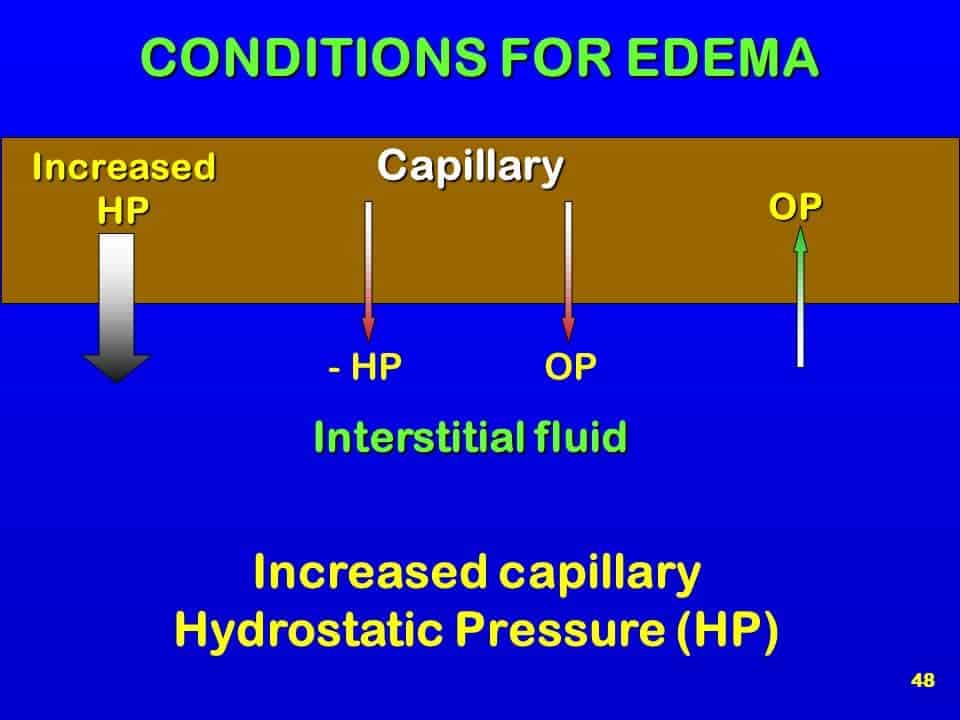
2. Increased capillary hydrostatic pressure-
E.g.-
- Oedema of cardiac disease
- Passive congestion
- Postural edema
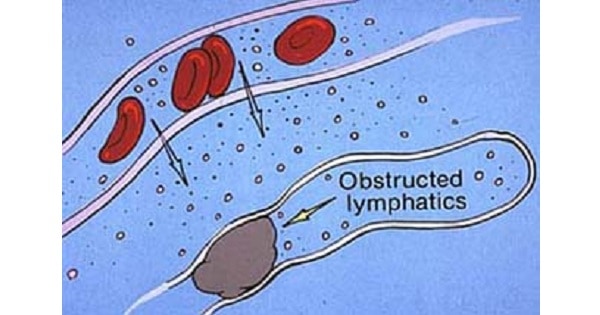
3. Lymphatic obstruction-
- It results in lymohoedema.
- E.g. inflammation of lymphatics seen in filariasis results in lymphoedema of scrotum & legs.
- Milroy’s disease or hereditary lymphoedema
4. Tissue factor
- E.g. Increased oncotic pressure of interstitial fluid

5. Increased capillary permeability-
- E.g. Inflammatory oedema, Angioneurotic oedema

6. Sodium & water retention-
- Oedema of renal disease- nephritic disease & nephritic syndrome
- Cirrhosis of liver
- Congestive cardiac failure.
Exam Important
- Edema is an accumulation of interstitial fluid within tissues (5-6 litres)
- Edema develops when plasma protein is below 5 gm/dl.
- Decreased plasma oncotic pressure- E.g. a) Oedema in renal diseases- nephritic & nephritic syndrome
Lymphatic obstruction-
- It results in lymohoedema.
- E.g. inflammation of lymphatics seen in filariasis results in lymphoedema of scrotum & legs.
- Milroy’s disease or hereditary lymphoedema
Sodium & water retention-
- Oedema of renal disease- nephritic disease & nephritic syndrome
Don’t Forget to Solve all the previous Year Question asked on Edema- basics

