
FIBRINOLYTIC DRUGS
FIBRINOLYTIC DRUGS
- Also referred as “thrombolytics”.
- Are drugs activating plasminogen to form plasmin & helping thrombus lysis.
MOA:
- Insoluble fibrin molecules are broken down to soluble fragments by plasmin.
- Plasmin is generated from plasminogen, by tissue plasminogen activator (tPA).
- tPA selectively activates fibrin-bound plasminogen in thrombus.
- Excess plasmin generated is inactivated by circulating antiplasmins.
Adverse effect:
- Bleeding (major) – Due to lysis of physiological thrombi & excessive circulating plasmin.
Indication:
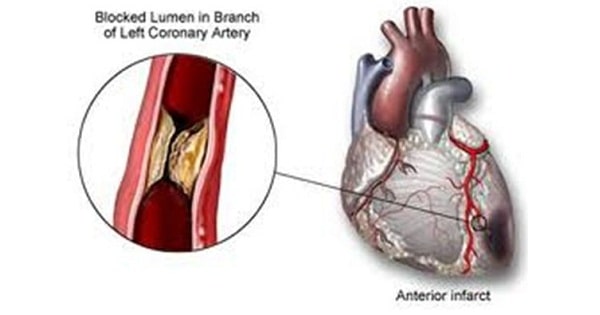
- Treatment of acute myocardial infarction (Stemi) –
- Administered i.v. within 12 hours preferably within 1st 3-6 hours.
- In severe, life-threatening pulmonary embolism (Massive Pulmonary Embolism in Shock).
Contra-indications:
- Mainly increased bleeding risk.
- Based on various scenarios of bleeding risks divided into, absolute & relative.
|
Absolute |
Relative |
|
Absolute of hemorrhagic stroke at any time |
Current use of anticoagulants (INR≥ 2) |
|
History of non-hemorrhagic stroke within the past year |
Recent (>2weeks) invasive or surgical procedure |
|
Marked hypertension (systolic >180 and/or diastolic > 110mm Hg) |
Prolonged (> 10 min.) cardiopulmonary resuscitation. |
|
Suspicion of aortic dissection |
Known bleeding diathesis |
|
Active internal bleeding (excluding menses) |
Pregnancy |
|
|
Hemorrhagic ophthalmic condition (Eg. hemorrhagic diabetic retinopathy) |
|
|
Active peptic ulcer disease |
|
|
History of severe hypertension (currently adequately controlled) |
Fibrinolytic overdose:
- Specific antidote: Epsilon amino caproic acid (EACA) & tranexaemic acid.
Important drugs:
- Streptokinase, anistreplase urokinase, alteplase, reteplase & tenecteplase.
- Streptokinase, anistreplase & urokinase –
- Activate bound fibrin as well as circulating plasminogen.
- Leads to systemic lytic state.
- Reteplase, alteplase & tenecteplase – Fibrin-specific.
1. Streptokinase:
- Obtained from β-hemolytic streptococci.
- Activates fibrin-bound as well as circulating plasminogen.
- Does not directly convert plasminogen to plasmin (unlike other plasminogen activators).
- Forms complex with plasminogen, exposing its active site.
- Altered plasminogen acts like tPA & activates other plasminogen molecules to plasmin.
- Antigenic causing allergic reactions.
- Lead to neutralizing antibody formation.
- Less effective on repeated usage.
- Least expensive.
2. Anistreplase:
- Formed by combining streptokinase with Lys-plasminogen.
- Active site of exposed plasminogen is masked with anisoyl group.
- Non-specific for fibrin-bound plasminogen.
- Drug administration:
- Via a single bolus infusion.
- Half-life:
- 100 minutes.
- Due to slow removal of anisoyl group by deacylation, on i.v. infusion.
- Antigenic.
3. Urokinase:
- Isolated from human urine.
- MOA:
- Directly converts plasminogen to plasmin.
- Affects both free & circulating plasmin.
- Induces systemic lytic state.
- Use: Used for catheter-directed lysis of thrombi in deep veins or peripheral arteries.
- Property:
- Not antigenic.
- Limited availability.
4. Recombinant tPA:
- Alteplase, reteplase & tenecteplase.
- Non-antigenic.
- More efficacious than streptokinase.
- Cause hemorrhage (similar to streptokinase & urokinase).
- Longest acting tPA:
- Reteplase & tenecteplase.
- Referred as “bolus fibrinolytic”.
- Because administration does not require prolonged intravenous infusion.
Exam Important
FIBRINOLYTIC DRUGS
- Fibrinolytic drugs are also referred as “thrombolytics”.
- Fibrinolytic drugs are drugs activating plasminogen to form plasmin & helping thrombus lysis.
- Plasmin is generated from plasminogen, by tissue plasminogen activator (tPA).
- tPA selectively activates fibrin-bound plasminogen in thrombus.
- Bleeding is the major adverse effect of fibrinolytic, mainly due to lysis of physiological thrombi & excessive circulating plasmin.
- Fibrinolytic drugs are indicated for treatment of acute myocardial infarction (Stemi) – Administered i.v. within 12 hours preferably within 1st 3-6 hours.
- Absolute contraindications for fibrinolytic drugs include,
- History of non-hemorrhagic stroke within the past year/at any time,
- Marked hypertension (systolic >180 and/or diastolic > 110mm Hg),
- Active internal bleeding (excluding menses).
- Relative contraindications for fibrinolytic drugs include,
- Current use of anticoagulants (INR≥ 2),
- Recent (>2weeks) invasive or surgical procedure,
- Prolonged (> 10 min.) cardiopulmonary resuscitation,
- Known bleeding diathesis,
- Pregnancy,
- Hemorrhagic diabetic retinopathy,
- Active peptic ulcer disease,
- History of severe hypertension.
- Specific antidotes for fibrinolytic drug overdose are Epsilon aminocaproic acid (EACA) & tranexaemic acid.
- Streptokinase, anistreplase urokinase, alteplase, reteplase & tenecteplase are some of the important fibrinolytic drugs.
- Streptokinase, anistreplase & urokinase activate bound fibrin as well as circulating plasminogen.
- Reteplase, alteplase & tenecteplase are fibrin-specific drugs.
- Streptokinase activates fibrin-bound as well as circulating plasminogen.
- Unlike other plasminogen activators, streptokinase does not directly convert plasminogen to plasmin instead forms complex with plasminogen.
- Streptokinase is antigenic in nature, causing allergic reactions.
- Anistreplase is formed by combining streptokinase with Lys-plasminogen.
- Urokinase directly converts plasminogen to plasmin.
- Streptokinase & Urokinase are contraindicated in intracranial malignancy.
- Fibrinolytic drug affecting both free & circulating plasmin is urokinase.
- Alteplase, reteplase & tenecteplase are recombinant tPA.
- Recombinant tPA is more efficacious than streptokinase.
- Reteplase & tenecteplase are longest acting tPA & are referred as “bolus fibrinolytic”.

