
Hanging- Types, Causes of Death, Postmortem Findings and Medicolegal Importance
Hanging- Types, Causes of Death, Postmortem Findings and Medicolegal Importance
Hanging
- Hanging is a form of asphyxial death which is caused by the suspension of the body by ligature which encircles the neck,the constricting force being the weight of the body.
Types
- Complete hanging.
- Partial hanging.
- Typical hanging.
- Atypical hanging.
1.Complete hanging
- When feet do not touch the ground and the weight of the body acts as a constricting force.
2. Partial hanging
- When the weight of the head and not the whole body acts as a constricting force is known as partial hanging.
3.Typical hanging
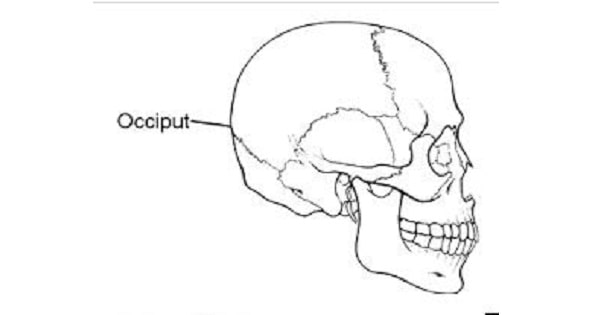
- The ligature is situated in the midline above the thyroid cartilage and runs symmetrically upwards on both sides of the neck to the occipital region.
4. Atypical hanging
- Any variation of this standard position.
- Most common site of knot is near one side of mastoid process or angle of mandible.
Ligature
- Not particular,like ropes,chains,wire,leather straps,belts,scarf,dhoti,sarees etc.
- Its important to match the ligature with the ligature mark and see if its strong enough to bear the weight and jerk of the body.
- Cut the ligature away from the knot.
- Pressure abrasion
Symptoms
- So rapid that they are rarely observed.
- Flashes of lights before the eyes,ringing in the ears.
- Unconsciousness and death.
- The individual can do nothing to help himself even if it were possible.
- Respiration stops before the heart which may continue for 10-15min.
Causes of death
1. Asphyxia
- Ligature forces the tongue up and occludes air,15kg tension occludes the trachea.
2. Cerebral congestion
- Obstruction of jugular veins by compression with 2kg wt tension.
3. Cerebral anoxia
- Carotid artery occludes with 4-5kgs tension
- Vertebral artery with 20kgs tension.
4.Reflex vagal inhibition.
5. Fracture dislocation of cervical spine t the level of 2,3,and 4 vertebrae.
6. Combination of any of the above.
Postmortem appearance
- External appearance.
- Internal appearance.
External appearance
1. Above the ligature mark
- Tilt of the head.
- Protrusion of tongue.
- Dribbling of saliva.
- Le Facia Sympathique-
- When ligature knot presses on cervical sympathetics the eye on the same side may remain open and its pupil dilated
- Tardieu spots.
- Congestion of the face.
- Petecheal haemorrhages.
- Middle ear haemorrhages.
2. Beneath the ligature
- Fixed or running noose.
- Position of the knot.
- Course of the ligature.
- Width and multiplicity.
- Point of suspension.
- Slipping of ligature.
- Weight of the body.
3. Below the ligature
- Postmortem lividity (Glove and Stocking)
- Relaxation of sphincters.
- Injury to legs.(partial hanging)
Internal appearance
- Haemorrhages in the neck.
- Dry,white and glistening.
- Rupture of platysma and sternomastoid.
- Transverse tear in the intima of carotid artery.
- Fracture of hyoid,cricoid and thyroid cartilages.
- Congestion of organs.
- Petechial haemorrhages.
Diagnosis
- Ligature mark around the neck.
- Presence of abrasions,echymosis and redness around the ligature mark.
- Trickling saliva from the mouth.
- Echymosis of larynx and trachea.
- Rupture of intima of carotids.
- Signs of asphyxia.
Medicolegal Importance
Suicidal
- Usually full suspension.
- Ligature tied to beam,hook,fan,tree etc.
- Suspension without any platform is unusual in suicide.
- Occasional nail mark-may be self inflicted while trying to free him\herself.
- Suicidal note.
Homicidal
- Extremely rare,except in case of lynching.
- Difficult,unless the victim is unconscious by injury or by drugs.
- Marks of violence may be seen on the body.
Postmortem hanging\Suspension
- Person murdered and the dead body suspended to simulate suicide.
- Usually the rope is tied first to the neck and then around the beam\hook where beam shows evidence of rope being pulled from below upwards.
- Ligature mark may be produced if the body is suspended within 2hrs after death.
Judicial hanging
- ‘Knot’ in judicial hanging is placed in side of neck.
- Drop of 5-7meters.
- Fracture dislocation at cervical 2-3 or 3-4.
- Transection of spinal cord.
- Transverse tear of intima of carotid artery.
- Injury to pons and medulla
Exam Important
Hanging
- Hanging is a form of asphyxial death which is caused by the suspension of the body by ligature which encircles the neck,the constricting force being the weight of the body.
Types
1.Complete hanging
2. Partial hanging
- When the weight of the head and not the whole body acts as a constricting force is known as partial hanging.
3.Typical hanging
- The ligature is situated in the midline above the thyroid cartilage and runs symmetrically upwards on both sides of the neck to the occipital region.
4. Atypical hanging
- Any variation of this standard position.
- Most common site of knot is near one side of mastoid process or angle of mandible.
Ligature
- Cut the ligature away from the knot.
- Pressure abrasion
Causes of death
1. Asphyxia
- Ligature forces the tongue up and occludes air,15kg tension occludes the trachea.
2. Cerebral congestion
- Obstruction of jugular veins by compression with 2kg wt tension.
3. Cerebral anoxia
- Carotid artery occludes with 4-5kgs tension
- Vertebral artery with 20kgs tension.
4.Reflex vagal inhibition.
5. Fracture dislocation of cervical spine t the level of 2,3,and 4 vertebrae.
6. Combination of any of the above.
Postmortem appearance
- External appearance.
- Internal appearance.
External appearance
1. Above the ligature mark
- Tilt of the head.
- Protrusion of tongue.
- Dribbling of saliva.
- Le Facia Sympathique-Tardieu spots.
- When ligature knot presses on cervical sympathetics the eye on the same side may remain open and its pupil dilated
- Congestion of the face.
- Petecheal haemorrhages.
- Middle ear haemorrhages.
Medicolegal Importance
Suicidal
- Usually full suspension.
Homicidal
- Extremely rare,except in case of lynching.
Judicial hanging
- ‘Knot’ in judicial hanging is placed in side of neck.
- Drop of 5-7meters.
- Fracture dislocation at cervical 2-3 or 3-4.
- Transection of spinal cord.
- Transverse tear of intima of carotid artery.
- Injury to pons and medulla
Don’t Forget to Solve all the previous Year Question asked on Hanging- Types, Causes of Death, Postmortem Findings and Medicolegal Importance


👨⚕️
Chat Support
❌