
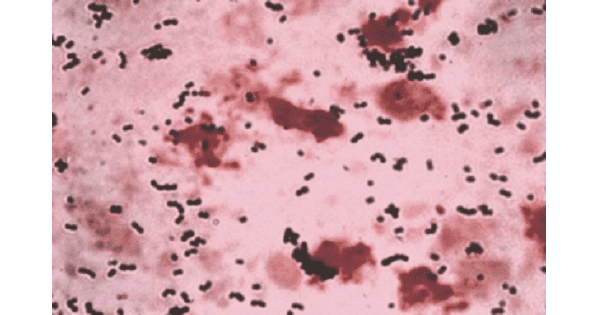
Hemolytic Streptococci- Group A, B, C, D and F
Hemolytic Streptococci- Group A, B, C, D and F
Group B Streptococci/Baby strep
- Streptococcus agalactiae colonizes in the genital tract of some women
- It produces two types of infection in the new born :
- Early onset (within a week of birth)→ Infection is acquired from the maternal vagina
- Late onset (2nd to 12th weeks) → Infection is obtained from the environment
- Can cause neonatal meningitis and sepsis( MC cause)
- It can cause septic abortion and puerperal or gynaecological sepsis and occasionally urinary tract infections.
- Virulence Factor:Capsule of S. agalactiae is a major component of virulence
- Biochemical test: S. agalactiae gives CAMP test positive, resistance to bacitracin and can hydrolyze the hippurate.
- Diagnosis: is made by isolation and identification of organism from sterile site.
- The demonstration of gram positive organism in pairs or chain in buffy coat or other sterile fluid indicates infection.
- Treatment:Penicillin is DOC
Group C Streptococci
- Group C beta hemolytic streptococci currently include S. dysgalactiae subsp. equisimilis and other related strains
- Recovered from pharyngitis and tonsillitis from the patients with underlying diseases such as cardiopulmonary disease, diabetes, immunosupression, HIV etc.
Group D Streptocci
- Include enterococci (e.g., Enterococcus faecalis and Enterococcus faecium) and nonenterococci (S. bovis).
- Enterococci are members of normal flora of the colon.
- A beta hemolytic bacteria
- Resistant to vancomycin shows growth in 6.5% NaCI
- Non bile sensitive
- They can cause urinary, biliary and cardiovascular infections.
- There is a significant association between S. bovis bacteremia and endocarditis with carcinoma of the colon and other colonic diseases.
- Every patient with S. bovis bacteremia should undergo gastrointestinal and cardiac evaluation.
- Up to 50% of patients with S. bovis bacteremia are reported to have underlying colonic malignancies.
Group F Beta Hemolytic streptococci
- Organisms of this group have been called S. milleri in the British taxonomic scheme and anginosus (S. anginosus) group in American taxonomic group.
- Group F Beta-hemolytic streptococci are recognized cause of severe suppurative infections including cellulitis, deep-tissue abscesses, bacteremia, osteomyelitis and endocarditis.
Group K-U
- Contains streptococcal species of limited virulence which can cause infections in immunocompromised individuals.
Exam Important
Group B Streptococci/Baby strep
- Streptococcus agalactiae colonizes in the genital tract of some women
- It produces two types of infection in the new born :
- Early onset (within a week of birth) → Infection is acquired from the maternal vagina
- Late onset (2nd to 12th weeks)→ Infection is obtained from the environment
- Can cause neonatal meningitis and sepsis( MC cause)
- Biochemical test: S. agalactiae gives CAMP test positive, resistance to bacitracin and can hydrolyze the hippurate.
- Diagnosis: is made by isolation and identification of organism from sterile site.
- The demonstration of gram positive organism in pairs or chain in buffy coat or other sterile fluid indicates infection.
Group C Streptococci
- Group C beta hemolytic streptococci currently include S. dysgalactiae subsp. equisimilis and other related strains
Group D Streptocci
- Include enterococci (e.g., Enterococcus faecalis and Enterococcus faecium) and nonenterococci (S. bovis).
- Enterococci are members of normal flora of the colon.
- A beta hemolytic bacteria
- Resistant to vancomycin shows growth in 6.5% NaCI
- Non bile sensitive
- They can cause urinary, biliary and cardiovascular infections.
- There is a significant association between S. bovis bacteremia and endocarditis with carcinoma of the colon and other colonic diseases.
Don’t Forget to Solve all the previous Year Question asked on Hemolytic Streptococci- Group A, B, C, D and F

