
Laparoscopy
INTRODUCTION:
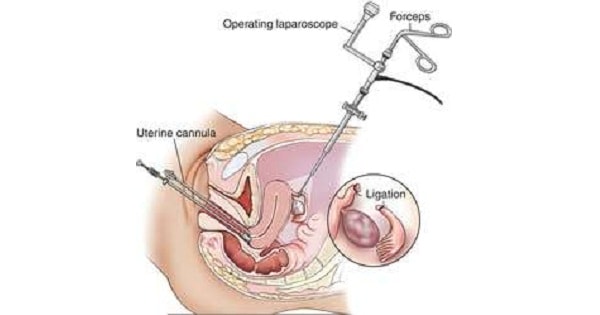
- Gynecologic laparoscopy is an alternative to open surgery. It uses a laparoscope to look inside pelvic area.
- Open surgery often requires a large incision
- Diagnostic laparoscopy can determine conditions such as endometriosis or fibroids.
- It can also be a form of treatment. With miniaturized instruments, variety of surgeries can be performed including:
- Ovarian cyst removal
- Tubal ligation, which is surgical contraception
- Hysterectomy
USES:
Diagnosis of:
- Endometriosis(Pawaer burr appearance)
- Uterine fibroids
- Ovarian cysts or tumors
- Ectopic pregnancy
- Endosalpingitis
- Anorchia
- Pelvic abscess, or pus
- Pelvic adhesions, or painful scar tissue
- Infertility
- Tubal function test
- Pelvic inflammatory disease(Fallopian tubes culture)
- Reproductive cancers
Some types of laparoscopic treatment include:
- Hysterectomy, or removal of the uterus
- Removal of the ovaries
- Removal of ovarian cysts
- Removal of fibroids
- Blocking blood flow to fibroids
- Endometrial tissue ablation, which is a treatment for endometriosis
- Adhesion removal
- Reversal of a contraceptive surgery called tubal ligation
- Burch procedure for incontinence
- Vault suspension to treat a prolapsed uterus
PROCEDURE:
- Usually under GA
- Pneumoperitoneum created with CO2 upto a pressure of 15mmHg
- CO2 causes hypercarbia, acidosis and hypoxia
- Advantage of carbon dioxide in laproscopy are Non-irritant, Non-inflammable & No tissue reaction
- Pneumoperitoneum causes pressure on IVC and decreases venous return and cardiac output
- Electrosurgical injuries during laparoscopy – majority occur following the use of monopolar diathermy
- Abdominal wall vessels most commonly injured – superficial inferior epigastric vessels
- Catheter is inserted to collect urine
- Small needle is used to fill abdomen with carbon dioxide gas.
- The gas keeps the abdominal wall away from other organs, which reduces the risk of injury.
- Small cut in is made in navel and laparoscope is inserted, which transmits images to a screen.
- Once the procedure is over, all instruments are removed. Incisions are closed with stitches
RISKS OF LAPAROSCOPY:
- Damage to an abdominal blood vessel, the bladder, the bowel, the uterus, and other pelvic structures
- Nerve damage
- Allergic reactions
- Adhesions
- Arrhythmias in laparoscopy
- Incidence 47%
- Most common- bradycardia
- Common causes – hypercarbia, hypoxia from hypoventilation, ↑ intra abddominal pressure, peritoneal distension
- Laparoscopy is done always under GA. There won’t be any pain in GA
- Blood clots
- Problems with urinating
- Conditions that increase your risk of complications include:
- Previous abdominal surgery
- Obesity
- Being very thin
- Extreme endometriosis
- Pelvic infection
- Chronic bowel disease
- The gas used to fill the abdominal cavity can also cause complications if it enters a blood vessel.
Exam Question
- Best gas used for creating pneumoperitonium at laparoscopy is CO2
- Laparoscopy is best avoided in patients with COPD
- Best tubal function test is Laproscopy
- Laproscopy detects Endometriosis
- Primary amenorrhea and absent vagina can be diagnosed with Laparoscopy
- Salpingitis / Endosalpingitis is best confirmed by Hysteroscopy + Laparoscopy
- During laparoscopy the preferred site for obtaining cultures in a patient with acute pelvic inflammatory disease is Fallopian tubes
- Pawaer burr, appearance on laparoscopy is characteristic of Endometriosis
- Best investigation to diagnose ectopic pregnancy is laparoscopy
- Pressure needed for abdominal insufflation in laparoscopy is 10 mm Hg
- Advantage of carbon dioxide in laproscopy are Non-irritant, Non-inflammable & No tissue reaction
- Shoulder pain post laparoscopy is due to CO2 retention
- Anorchia best diagnosed by Laparoscopy
Don’t Forget to Solve all the previous Year Question asked on Laparoscopy
