
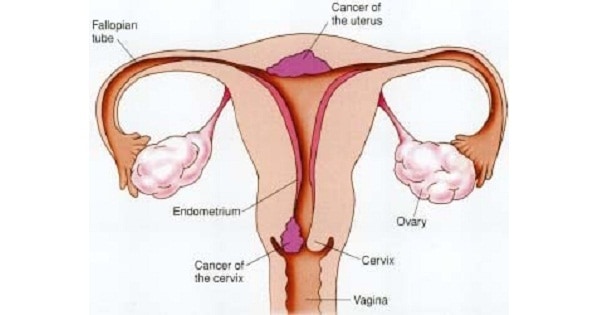
Management of CA of cervix
Stage-Based Therapy:
Stage 0 cancer:
- Carcinoma in situ (stage 0)
- Local ablative or excisional measures
- Cryosurgery, laser ablation, and loop excision
- Surgical removal to rule out microinvasive disease
Stage IA1 cancer:
- Total hysterectomy, radical hysterectomy, and conization
- Lymph node dissection:Not required if the depth of invasion < 3 mm
- NCCN guidelines:Pelvic radiation therapy →category 1 recommendation for women with stage IA disease and negative lymph nodes after surgery who have high-risk factors
- To maintain fertility:Therapeutic conization with close follow-up, including cytology, colposcopy, and endocervical curettage
Stage IA2, IB, or IIA cancer:
- 2 Treatment options:
- Combined external beam radiation with brachytherapy
- Radical hysterectomy with bilateral pelvic lymphadenectomy
- Radical vaginal trachelectomy with pelvic lymph node dissection is appropriate for fertility preservation in stage IA2 & stage IB1 (< 2 cm)
Stage IIB, III, or IVA cancer:
- Locally advanced cervical carcinoma (stages IIB, III, and IVA), radiation therapy was the treatment of choice
- External beam radiation to reduce tumor mass
- Brachytherapy is delivered by means of afterloading applicators that are placed in the uterine cavity and vagina.
- Consequently, the use of cisplatin-based chemotherapy
- Ca cervix stage III B is treated with Intracavitary brachytherapy with external beam radiation
Stage IVB and recurrent cancer:
- Individualized therapy is used on a palliative basis.
- Radiation therapy is used alone for control of bleeding and pain, whereas systemic chemotherapy is used for disseminated disease
- Treatment of pelvic recurrences after primary surgical management should:single-agent chemotherapy and radiation
- Treatment for recurrences elsewhere should include combination chemotherapy
- Central pelvic recurrence after radiation therapy, modified radical hysterectomy (if the recurrence is smaller than 2 cm) or pelvic exenteration
- NCCN also recommends docetaxel, gemcitabine, ifosfamide, 5-fluorouracil, mitomycin, irinotecan, and topotecan as possible candidates for second-line therapy (category 2B recommendation), as well as pemetrexed and vinorelbine (category 3 recommendation).
- Treatment with bevacizumab plus cisplatin and paclitaxel or topotecan and paclitaxel was approved by the FDA
BRACHYTHERAPY FOR CARCINOMA CERVIX:
Point-A:
- 2cm above the lateral fornix & 2 cm lateral to the cervical canal (external os).
- Denotes the crossing of the ureter in the pelvis.
- Corresponds to the anatomical location of ureter; hence a dose exceeding 8000 rads should not reach this point.
Point-B:
- Maximally irradiated, located 5cm from the uterine axis, laterally & at the same level as Point-A & dose is 5000 rads.
- Represents the lateral pelvic wall where the obturator gland is located.
- Due to inverse square law, the radiation achieved over the lateral pelvic wall would be as low as 1000rads.
- Maximum radiation dose to Point-A: 8000cGy; to Point-B: 4500cGy.
- The element used for intracavitary RT in carcinoma cervix Caesium
Exam Question
- A case of carcinoma cervix who earlier received radiotherapy, relapses with new lesion should be treated with Pelvic exenteration
- Management of stage IIB cancer cervix is Radiotherapy with combination with chemotherapy
- Ca cervix of stage between II – III should be treated with Radiotherapy and chemotherapy
- Ca cervix stage III B is treated with Intracavitary brachytherapy with external beam radiation
- Point B in treatment of Ca cervix corresponds to Obturator Lymph node
- Treatment of carcinoma Cervix stage IIIB include Concurrent chemoradiation
- 80-85 and 85-90 gy. is the maximum radiation dose to point A for early and advanced Ca cervix
Don’t Forget to Solve all the previous Year Question asked on Management of CA of cervix
