
Pica syndrome
INTRODUCTION:
- Pica is the persistent eating of substances such as dirt or paint that have no nutritional value.
- It is a pre-school problem seen mostly below 3 years
SUBTYPES:
Pica is the consumption of substances with no significant nutritional value such as soil, soap or ice.
Subtypes are characterized by the substance eaten:
- Acuphagia (sharp objects)
- Amylophagia (starch)
- Cautopyreiophagia (burnt matches)
- Coniophagia (dust)
- Coprophagia (feces)
- Emetophagia (vomit)
- Geomelophagia (raw potatoes)
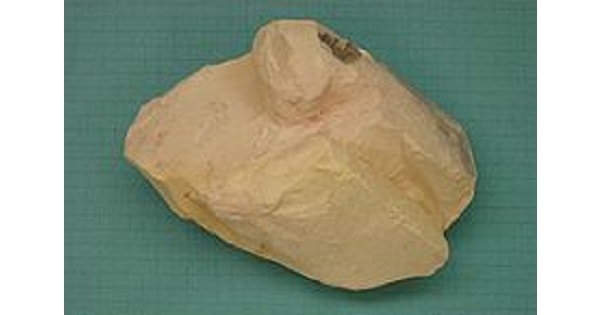
- Geophagia (dirt, soil, clay)
- Hyalophagia (glass)
- Lithophagia (stones)
- Mucophagia (mucus of invertebrates and fish)
- Pagophagia (ice)
- Plumbophagia (lead)
- Trichophagia (hair, wool, and other fibers)
- Urophagia (urine)
- Hematophagia (Vampirism) (blood)
- Xylophagia (wood)
DIAGNOSIS:
Medical evaluation:
- Anemia
- Intestinal blockages, or potential toxicity from ingested substances.
- Toxins and other substances in the blood,
Eating habit
- Presence of other disorders- such as mental retardation, developmental disabilities, or obsessive-compulsive disorder – as the cause of the odd eating behavior.
- This pattern of behavior must last at least one month for a diagnosis of pica to be made.
TREATMENT:
- Given the risk of medical complications (such as lead poisoning) associated with pica, close medical monitoring is necessary throughout treatment of the eating behavior.
- Additionally, close collaboration with a mental health team skilled in treating pica is ideal for optimal treatment of these complex cases.
- Lead or other toxic substances poisoning
- Increasing the child’s risk of complications including learning disabilities and brain damage
- Nutritional deficiencies.
- Constipation or blockages in the digestive tract, including the intestines and bowels.
- Tears in the lining of the esophagus or intestines.
- Bacteria or parasites from dirt or other objects can cause serious infections.
- Co-existing developmental disabilities can make treatment difficult.
Exam Question
- Pica is a pre-school problem seen in children most commonly below 3 year
- Pica is associated with lead poisoning
Don’t Forget to Solve all the previous Year Question asked on Pica syndrome
