
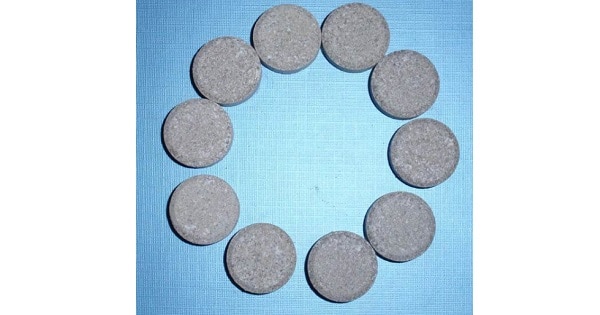
Poisoning: Aluminium phosphide (celphos)
Introduction
- It is a solid fumigant insectiside, pesticide and rodenticide. Aluminium phosphide on coming in contact with moisture, liberates phosphine.
- 3 gm of aluminium phosphide liberates 1 gm of phosphine.
- Phosphine acts by inhibiting electron transport system mainly cytochrome oxidase.
- Gastric acid enhances its toxicity.
Clinical features:
- Garlic odour and blood stained froth at mouth, nostril and stomach.
- Congestion, edema, sloughing, necrosis and leucocytic infiltration of mucosa (of GIT especially lower esophagus, stomach, duodenum), lungs, kidney, adrenals, liver, spleen and brain
- Myocardial necrosis
- Esophageal strictures and fistula occur in few survivors.
- There may be circulatory collapse with metabolic acidosis.
- Cardiogenic shock is the most common cause of death.
- Gastric lavage fluid gives black colour in presence of silver nitrate, because of reaction of phosphine with silver nitrate.
- Aluminium phosphite and hypophosphite are nontoxic salts
Don’t Forget to Solve all the previous Year Question asked on Poisoning: Aluminium phosphide (celphos)

