


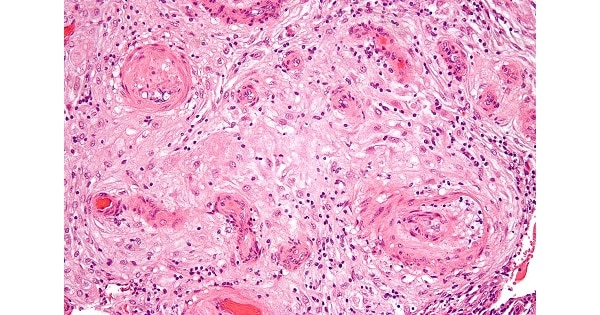
Preeclampsia
DEFINITION:
- Preeclampsia is a multisystem disorder of unknown etiology characterized by development of hypertension to the extent of 140/90 mm Hg or more with proteinuria after the 20th week in a previously normotensive and nonproteinuric woman
DIAGNOSTIC CRITERIA OF PREECLAMPSIA:
- Hypertension: An absolute rise of blood pressure of at least 140/90 mm Hg
- Calculation based on mean arterial pressure (MAP) as advocated by Page
- MAP=(Systolic pressure + (diastolic pressure × 2))/3
- If the previous blood pressure is not known or a rise in systolic pressure of at least 30 mm Hg, or a rise in diastolic pressure of at least 15 mm Hg over the previously known blood pressure is called pregnancy-induced hypertension
- Pitting edema over the ankles after 12 hours bed rest or rapid gain in weight of more than 1 lb a week or more than 5 lb a month in the later months of pregnancy
- Proteinuria:Presence of total protein in 24 hours urine of more than 0.3 g or more than or equal to 2+ (1.0 g/L)
- Test for protein in urine by multiple reagent strip (dipstick) as follows: Trace = 0.1 g/L; 1+ =0.3 g/L; 2+ = 1.0 g/L; 3+ = 3.0 g/L; 4+ = 10.0 g/L
PREDISPOSING FACTOR:
|
Essential familial hypertension (hypertensive vascular disease) |
|
|
Obesity |
|
|
Arterial abnormalities |
Renovascular hypertension |
|
Coarctation of the aorta |
|
|
Endocrine disorders |
Diabetes mellitus |
|
Cushing syndrome |
|
|
Primary aldosteronism |
|
|
Pheochromocytoma |
|
|
Thyrotoxicosis |
|
|
Glomerulonephritis (acute and chronic) |
|
|
Renoprival hypertension |
Chronic glomerulonephritis |
|
Chronic renal insufficiency |
|
|
Diabetic nephropathy |
|
|
Connective tissue diseases |
Lupus erythematosus |
|
Systemic sclerosis |
|
|
Polyarteritis nodosa |
|
|
Polycystic kidney disease |
|
|
Acute renal failure |
|
|
Molar pregnancy |
|
|
Anti-phospholipid antibody |
|
ETIOPATHOGENESIS OF PREECLAMPSIA:
- HYPERTENSION:Endothelial dysfunction and intense vasospasm
Trophoblast Invasion and Uterine Vascular Changes:
- First trimester (10–12 weeks) endovascular trophoblasts invades up to decidual segments
- Second trimester(16–18 weeks) another wave of trophoblasts invades up to the myometrial segments
- Imbalance in prostaglandins
- Increased vascular sensitivity to angiotensin-II
- Deficiency of nitric oxide
- Endothelin-1 causes hypertension
- Inflammatory mediators:Cytokines derived from activated leukocytes cause endothelial injury
- Abnormal lipid metabolism:oxidative stress
CLINICAL FEATURES:
- Slight swelling over the ankles
- Swelling may extend to the face, abdominal wall, vulva and even the whole body
- Headache —either located over the occipital or frontal region
- Disturbed sleep
- Diminished urinary output—Urinary output of less than 400 mL in 24 hours is very ominous
- Epigastric pain—acute pain associated with vomiting, at times coffee color, is due to hemorrhagic gastritis
- Eye symptoms—Blurring, scotomata, dimness of vision or at times complete blindness
- Vision is usually regained within 4–6 weeks following delivery
- Abnormal weight gain>5 lb a month
- Decrease in in GFR
- Rise of blood pressure
- There is no manifestation of chronic cardiovascular or renal pathology.
- Pulmonary edema—due to leaky capillaries and low oncotic pressure
- chronic placental insufficiency
COMPLICATIONS:
During pregnancy:
- Eclampsia (2%)
- Accidental hemorrhage
- Oliguria and anuria
- Dimness of vision and even blindness
- Preterm labor
- HELLP syndrome
- Complete hydatidiform mole
- Placental abruption
- Low maternal serum 25-hydroxyvitamin D
- Cerebral hemorrhage
- Acute respiratory distress syndrome (ARDS)
During labor:
- Eclampsia
- Postpartum hemorrhage
- Affects Duration of latent phase of labour
Puerperium:
- Eclampsia — usually occurs within 48 hours
- Shock
- Sepsis
Fetal:
- IUD
- Intrauterine growth restriction
- Asphyxia
- Prematurity
INVESTIGATIONS:
Urine:
- Proteinuria
- Urine becomes solid on boiling (10–15 g/L)
- Hyaline casts, epithelial cells, few red cells
Ophthalmoscopic examination:
- Retinal edema
- Constriction of arterioles
- Alteration of normal ratio of vein: arteriole diameter from 3 : 2 to 3 : 1
Blood values:
- Serum uric acid level>4.5 mg/dL
- Serum creatinine > 1 mg/dL
- Thrombocytopenia
- Abnormal coagulation profile
- ↑Hepatic enzyme
Antenatal fetal monitoring:
- Daily fetal kick count
- Doppler Ultrasonography for fetal growth and liquor pockets
- Cardiotocography
- Umbilical artery flow velocimetry
- Biophysical profile
MANAGEMENT:
| Drug | Mode of Action | Dose |
| Methyl-dopa | Central and peripheral antiadrenergic action | 250–500 mg tid |
| Labetalol | Adrenoceptor antagonist | 100 mg tid |
| Nifedipine | Calcium channel blocker | 10–20 mg bid |
| Hydralazine | Vascular smooth muscle relaxant | 10–25 mg bid
|
- In Severe Pre eclampsia During labor, Pritchard’s (MgSO4) regimen is administered for seizure prophylaxis as an IV loading dose of 4-6 g over 20-60 minutes, followed by a maintenance dose of 1-2 g/h.
- Anti-phospholipid antibody, Gestational diabetes & Molar pregnancy are predisposing factor for Preeclampsia
- Specific treatment of severe pre eclampsia is Magnesium sulfate
- Duration of latent phase of labour is affected by Pre-eclampsia
- Complete hydatidiform mole is associated with preeclampsia
- Pre-eclampsia is associated with placental abruption
- Low maternal serum 25-hydroxyvitamin D is associated with Pre-eclampsia
- There is decrease in in GFR is expected in a 30-year-old lady with pre-eclampsia
- Polyarteritis nodosa poses the greatest risk for development of pre-eclampsia
- Pregnant multigravida having pre-eclampsia & seizures should be treated with Pritchard’s (MgSO4) regimen
- Serum uric acid is known as ‘biochemical marker of pre-eclampsia’
- Doppler ultrasonography in IUGR & Preeclampsia shows notch in Uterine artery