
Prenicious anemia
PERNICIOUS ANEMIA
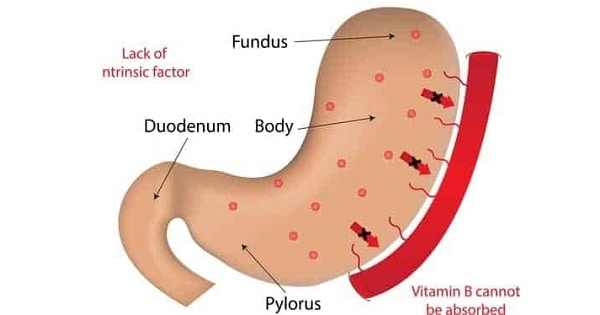
- It is chronic disorder where intrinsic factor secretion stops due to atrophy of gastric mucosa.
- Seen in 60 years of age.
Pathogenesis-
- Seen in autoimmune diseases.
- Patients with abnormal circulating autoantibodies.
- Type III antibodies (85%- 90% patients) directed against parietal proton pump affect acid secretion.
- It is more common in patients with agammaglobulinaemia.
Morphological features-
- Most characteristic feature in gastric atrophy affecting the stomach but leaving antrum.

Clinical features-
- Anemia
- Glossitis
- Neurological abnormalities- demyelination of dorsolateral spinal cord tracts.
- GIT manifestations- atrophic gastritis is precursor of gastric adenocarcinoma (gastric cancer) affects mostly fundus area (body).
- Hepatosplenomegaly
- Congestive heart failure.
- Autoimmune thyroiditis may be associated.
Diagnosis-
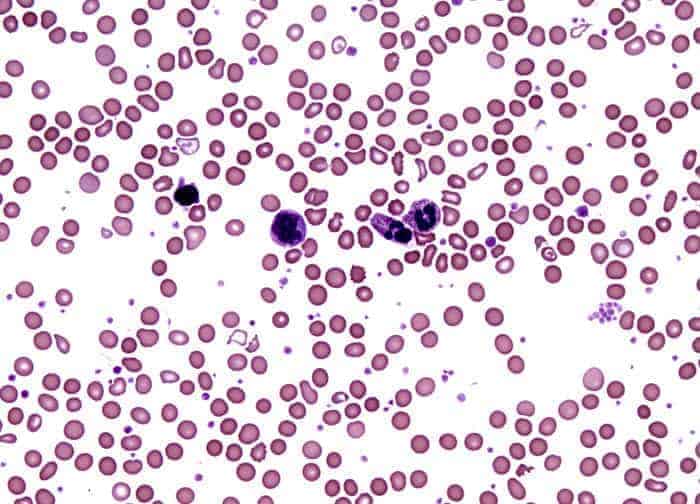
- Low serum Vitamin B12 levels.
- Increase homocysteine & methylmalonic acid.
- Reticulocytosis
Treatment-
- Parentral vitamin B12 replacement therapy
- Physiotherapy for neurological deficits
- Rare blood transfusion
- Corticosteroids
Exam Important
Pathogenesis-
- Seen in autoimmune diseases.
- Patients with abnormal circulating autoantibodies.
- Type III antibodies (85%- 90% patients) directed against parietal proton pump affect acid secretion.
- It is more common in patients with agammaglobulinaemia.
Morphological features-
- Most characteristic feature in gastric atrophy affecting the stomach but leaving antrum.
Clinical features-
- Anemia
- Glossitis
- Neurological abnormalities- demyelination of dorsolateral spinal cord tracts.
- GIT manifestations- atrophic gastritis is precursor of gastric adenocarcinoma (gastric cancer) affects mostly fundus area (body).
Diagnosis-
- Low serum Vitamin B12 levels.
- Increase homocysteine & methylmalonic acid.
- Reticulocytosis
Don’t Forget to Solve all the previous Year Question asked on Prenicious anemia

