
Septic Shock
AEPTIC SHOCK
- Septic shock has components of several groups including distributive (loss of afterload or SVR), cardiogenic (loss of contractility) and hypovolemia (loss of preload)
- Hallmark à decrease in peripheral vascular resistance despite increased levels of vasopressor catechola mines
Defination:
- Sepsis with hypotension for at least 1 h despite adequate fluid resuscitation or
- Need for vasopressors to maintain systolic BP >90 mmHg or mean arterial pressure 70
|
Septic shock- warm (Hyperdynamic) shock |
Septic shock – cold (Hypodynamic) shock |
|
|
- Cutaneous vasoconstriction – responsible for the characteristic coolness and pallor of the skin in well-developed shock
- Septic shock initially cause cutaneous vasodilation à warm, flushed skin
- Cold shock rapidly progress to MOSF (multi organ system failure) and death
- Respiratory alkalosis is the first acid-base abnormality, but metabolic acidosis occurs as shock progresses.
Clinical features
- Triad in children: fever, tachycardia, tachypnea
- Hyperventilation is often an early sign
- Disorientation, confusion, and other manifestations of encephalopathy
- Focal neurologic signs are uncommon
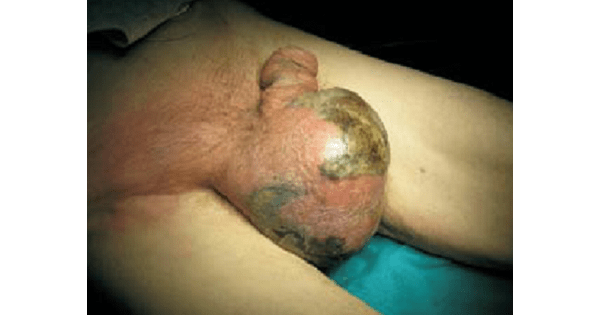
- Hypotension and DIC predispose to ischemic necrosis of peripheral tissues, most commonly the digits
Specific features
- Cutaneous petechiae or purpura – N. meningitidis (less common – H. influenzae)
- Tick bite in endemic area + petechial lesions – Rocky Mountain spotted fever
- Neutropenic patients – ecthyma gangrenosum – P. aeruginosa
- Hemorrhagic or bullous lesions + recent consumption of raw oysters – V. vulnificus bacteremia
- Hemorrhagic or bullous lesions + recent dog bite Capnocytophaga canimorsus or C. cynodegmi.
- Generalized erythroderma – TSS due to S. aureus or S. pyogenes.
Central venous pressure (CVP) monitoring in shock
- CVP < 5 mm Hg suggests hypovolemia
- CVP > 18 mm Hg suggests volume overload, cardiac failure, tamponade, or pulmonary hypertension.
- The CVP may help in assessing the need for intravascular fluid replacement and the rate at which this should be given
Treatment is directed at maintaining
- CVP of 8-12 mm Hg
- Mean arterial pressure of >65 mmHg (systolic pressure >90 mmHg)
- Cardiac index of 2-4 L/min/m2
- The urine output rate should be kept at >0.5 mL/kg per hour
Hallmarks of uncompensated shock
- Increase in lactic acid production
- Very low mixed venous oxygen saturations (indicating inadequate oxygen delivery)
- Management of Septic shock: Antibiotics + Hemodynamic support
HEMODYNAMIC SUPPORT
- NS or RL (crystalloids) is the first choice for acute stage of resuscitation
- When fluid requirements are high, colloids (Dextran, gelatin, 5% albumin) are of use
- Packed RBC should be given at 10 mL/kg to maintain hematocrit at 30% or Hb 9 g/dL
- Bolus of 20ml/Kg given rapidly over 5-10 mins; if no response – repeat bolus
- Central venous pressure should be maintained at 8-12 cmHzO
- Maintain a mean arterial blood pressure of >65 mmHg (systolic pressure >90 mmHg)
- The urine output rate should be kept at >0.5 mL/kg per hour
- Patients who do not respond to rapid boluses of 40-60ml/Kg in the first hour are labeled as fluid refractory shock and inotrophic support (dopamine or dobutamine) should be given
- Use insulin only if it is needed to maintain the blood glucose concentration below 150 mg/dL
- First line Vasopressor in
- Ø Anaphylactic shock: Epinephrine
- Ø Septic shock, Cardiogenic shock, Vasodilatory shock: Norepinephrine
- Refractory shock: Epinephrine
- If shock persists – catecholamine resistant shock – give Hydrocortisone if adrenal insufficiency is suspected
- ACTH stimulation test is not useful for detecting less profound degrees of corticosteroid deficiency in patients who are critically ill
- Vasodilators (nitroprusside, nitroglycerine) in children remaining hypodynamic with high SVR despite fluid and ionotropic support
- Children remaining normotensive with low output state and high SVR despite epinephrine and vasodilator –phosphodiesterase III inhibitors (Amrinone, Milrinone) are given
- Recombinant activated protein C (aPC) – for severe sepsis or septic shock
- Gram Negative bacterial infections causing Septic shock are—
- E.coli, klebsiella, proteus, pseudomonas and bacteroids.
- Enodotoxins are the constituents of bacterial call wall, which are released when the bacteria dies.
- Enodoxin causes—
- Release of kinens and histamine which are vaso active peptides.
- Endothelial damage causing increased microvascular permeability resulting in fluid loss from intravascular spaceto extra vascular space. Loss of blood volume resulting in decreased venous filling, fall in CVP. Cardiac output falls resulting in hypotension. Hypotension is further aggrevated by kinens, histamines and other vasoactive peptides which causes peripheral vaso dilation.
- The endotoxin released by the bacteria causes activation of coagulation DIC. There is fall in coagulation factor and platelets.Leading to haemorrhage from various sites. There is upper GI, lower GI bleeding, hematuria.etc.
- The Septic Shock effects nearly all the organs systems of the body but the pulmonary, cardiovascular, renal and hepatic system are the target organs.
- At first there is hyper dynamic state. There is increased cardiac output and trachecardia, warm and dry skin. The endothelium becomes damaged and endotoxins leaks into the circulation leading to a generalised inflammatory state.
Exam Question
- The Reynold’s pentad of fever, jaundice, right upper quadrant pain, septic shock and mental status change in typical of Cholangitis
- Endotoxin causes Septic shock
- Peripheral resistance is decreased in Septic shock
- Veno constriction, Direct toxic endothelial injury & Activation of complement are pathogenetic mechanisms operate in septic shock
- Septic shock in children 1st response is TC.O. due to vasodilatation
- Hypotension is a late sign in Septic shock in children
- The most important cause of the death in septic shock is Cardiac
- Renal failure in patients with septic shock occurs primarily from Acute tubular mecrosis
- Warm periphery is noticed in Septic shock
- Septic shock is due to Lipopolysaccharide
Don’t Forget to Solve all the previous Year Question asked on Septic Shock
