module Test

GENDER IDENTITY DISORDERS

GENDER IDENTITY DISORDERS GENDER IDENTITY DISORDERS Introduction: Gender – Sense of being a male or a female. Corresponds to anatomical sex, (i.e. man with male body organs, psychologically considering as male). Mismatch in identity causes gender identity disorder. Gender identity disorder of childhood: Starts in preschool. Preoccupation with dress & activities of opposite sex  (E.g. male child […]

GENDER IDENTITY DISORDERS Read More »

PSYCHOANALYSIS – BASICS

PSYCHOANALYSIS – BASICS PSYCHOANALYSIS – BASICS Introduction: Term “psychoanalysis” –  Coined by Sigmund Freud – “Father of psychoanalysis” – Freud (1856-1939). Lived in Vienna. Psychoanalysis:  Theory stating “childhood experiences & memories & unconscious mental activity (activity of mind which we are not aware of)”.  Determines human behavior, emotions & development of psychiatric disorders. Treatment methods psychiatric disordersis

PSYCHOANALYSIS – BASICS Read More »

STIMULANTS

STIMULANTS STIMULANTS  Introduction: Main substance included – Cocaine. Cocaine: Derived from “Erythroxylum coca”. Studied by Sigmund Freud. MOA: Acts primarily by blocking dopamine receptors (D1 & D2) –> increasing dopamine concentration in synaptic cleft. Inhibitor of norepinephrine uptake  —> Significant sympathomimetic effect. Actions & Uses: Vasoconstriction: Marked vasoconstriction of peripheral arteries —> Hypertension. Vasoconstriction of epicardial coronary arteries

STIMULANTS Read More »

CANNABIS

CANNABIS CANNABIS Introduction: Derived from Cannabis sativa. Most commonly used illegal drug. Active ingredient – δ-9 tetrahydrocannabinol (THC). Can be ingested orally/more commonly smoked. No significant withdrawal symptoms. Cannabis intoxication: Characterized by. Euphoria. Subjective sense of slowing of time Sense of floating in air. Reddening of conjunctiva (due to dilatation of conjunctival blood vessels). Increased appetite. Dryness of mouth.

CANNABIS Read More »

HALLUCINOGENS

HALLUCINOGENS HALLUCINOGENS Introduction: Class includes variety of drugs – LSD (Lysergic acid diethylamide) Mescaline Psilocybin. Methylenedioxyamphetamine (MDMA/ecstasy). Phencyclidine (angel dust). Ketamine. LSD intoxication: Symptoms: Characteristic symptoms – Depersonalization, derealization, synesthesia/reflex hallucinations & illusions. Bad trips & flashback phenomenon also occurs. Autonomic hyperactivity features (pupillary dilatation, tachycardia, sweating, palpitations, tremors). Treatment: Psychotherapeutic techniques – Prevents relapse. Exam Important

HALLUCINOGENS Read More »

NEUROLEPTICS

NEUROLEPTICS NEUROLEPTICS Also known as “Antipsychotics”. Mainstay of treatment for schizophrenia, schizoaffective disorders & delusional disorders. Classification: Typical antipsychotics/1st generation antipsychotics/dopamine receptor antagonists (DRAs). Atypical antipsychotics/2nd generation antipsychotics/serotonin-dopamine antagonists. TYPICAL ANTIPSYCHOTICS: MOA: Mainly act through dopamine, D2 receptor antagonism in mesolimbic tract. Actions: Effective against positive symptoms. Minimal effect on negative symptoms. Sub-classifications: According to chemical groups

NEUROLEPTICS Read More »

COMPILATION OF PSYCHOTIC DISORDERS

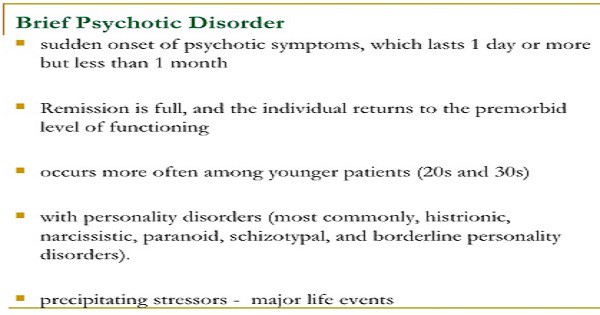
COMPILATION OF PSYCHOTIC DISORDERS COMPILATION OF PSYCHOTIC DISORDERS Acute psychotic disorders Schizoaffective disorder Delusional disorder Shared psychotic disorders (or induced delusional disorder) ACUTE PSYCHOTIC DISORDERS: Disorders with symptoms (delusions, hallucinations & disorganization symptoms) similar to schizophrenia. Disorders frequently preceded by stressor (stressful life event) – Precipitated by fever. Acute onset & often resolve completely. Classification:

COMPILATION OF PSYCHOTIC DISORDERS Read More »

SCHIZOPHRENIA – SYMPTOMS

SCHIZOPHRENIA – SYMPTOMS SCHIZOPHRENIA – SYMPTOMS & TYPES  SYMPTOMS: Divided into symptom complexes, Positive symptoms (or psychotic symptoms). Negative symptoms. Disorganization symptoms Motor symptoms (catatonic symptoms) POSITIVE/PSYCHOTIC SYMPTOMS: Responds well to medications. Marked as good prognostic factor. Cause: Due to dopamine excess in mesolimbic tract (neural pathway from ventral segmental area to nucleus accumbens). 2

SCHIZOPHRENIA – SYMPTOMS Read More »

SCHIZOPHRENIA EPIDEMIOLOGY & PATHOGENESIS

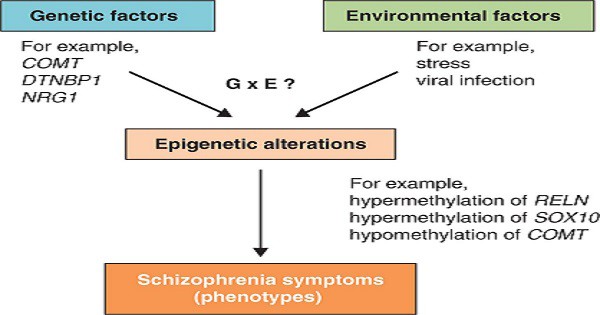
SCHIZOPHRENIA EPIDEMIOLOGY & PATHOGENESIS SCHIZOPHRENIA EPIDEMIOLOGY & PATHOGENESIS EPIDEMIOLOGY: Prevalence – 1 %  Equal in men & women. High heritability (Increased familial prevalence). More prevalent in lower socioeconomic status. Incidence rate – 0.15-0.25 per thousand. Onset age –  Adolescence and young adulthood. Earlier onset in men Late onset schizophrenia (After 45 yrs). Predisposing factors: Body types: Asthenic (thin

SCHIZOPHRENIA EPIDEMIOLOGY & PATHOGENESIS Read More »

👨‍⚕️
Chat Support ❌