module Test

Dentigerous Cyst

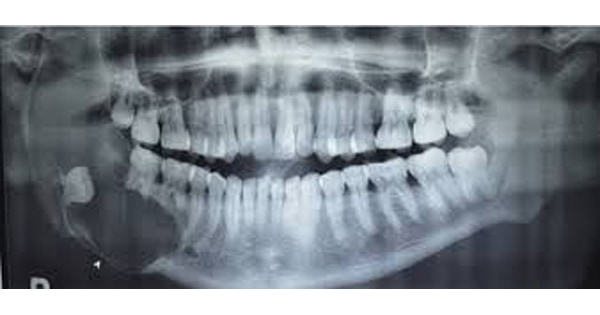
DENTIGEROUS CYST DENTIGEROUS CYST (FOLLICULAR CYST) Dentigerous cyst is an epithelial cyst containing fluid which usually occurs over the crown of an unerupted permanent molar tooth (3rd molar) Most common odotogenic cyst. ETIOLOGY Unerupted tooth constantly irritates epithelial cells leading to cell degeneration & cyst formation. PATHOLOGY Cyst is lined with squamous epithelium & filled […]

Dentigerous Cyst Read More »

Carcinoma Lip

CARCINOMA LIP CARCINOMA LIP Carcinoma lip is more common in western countries. ETIOLOGY- UV radiation (in farmers, due to sun exposure as Countryman’s lips leads to carcinoma lip). Leukoplakia Genetic factor Khaini chewers CLINICAL FEATURES- Seen in elderly person. Most common on vermillion border of lower lip. Non healing ulcer have everted margins, indurated base

Carcinoma Lip Read More »

Pancoast Tumour

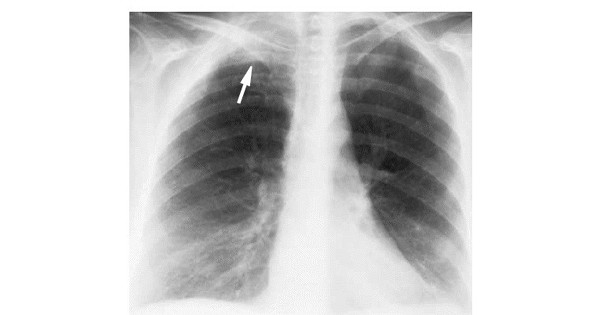
PANCOAST TUMOUR PANCOAST TUMOUR Pancoast tumour or superior sulcus tumour is a bronchogenic carcinoma arising from the apex of the lung. Involvement of structures- Apical chest wall above the level of the 2nd rib Brachial plexus First ribs Vertebrae Subclavian vessels or stellate ganglion Pancoast’s syndrome refers to- Pancoast’s tumour Erosion of the first rib

Pancoast Tumour Read More »

Erysipelas

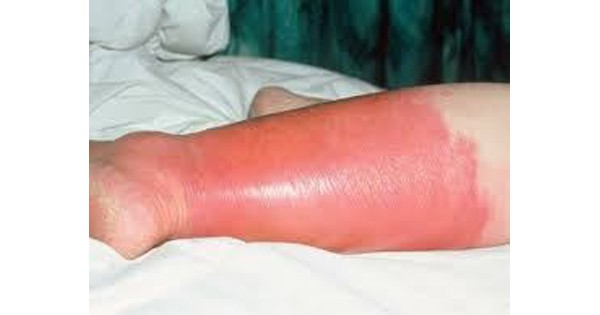
ERYSIPELAS ERYSIPELAS Erysipelas is an acute inflammation of the skin and subcutaneous tissue associated with severe lymphangitis. It is red skin. Etiology- The main causative organism is Streptococcus pyogenes. Precipitating factors are- malnourishment, chronic diseases Clinical features- Children and old person is commonly affected. Commonly affected sites- Face, eyelids, scrotum, umbilicus (infants) Rose- pink rash

Erysipelas Read More »

Tetanus

TETANUS TETANUS Tetanus is a fatal condition caused by Clostridium tetani, an anaerobic gram positive spore forming bacillus which has drum stick appearance. Also called as lock jaw disease. Main site of action of tetanus toxin is Presynaptic terminal of spinal cord. The main reservoir is soil and intestine of animals and humans. Modes of Infection-

Tetanus Read More »

Warthin Tumour

WARTHIN TUMOUR WARTHIN’S TUMOUR Also called as Papillary cystadenoma lymphomatosum, Adenolymphoma. It is a benign parotid tumour. Presence of lymphatic tissue in the stroma, and lymph follicles are the characteristic feature of Warthin’s tumour. Narrow cystic or cleftlike spaces lined by a double layer of neoplastic epithelial cells resting on a dense lymphoid stroma. Clinical

Warthin Tumour Read More »

Epulis

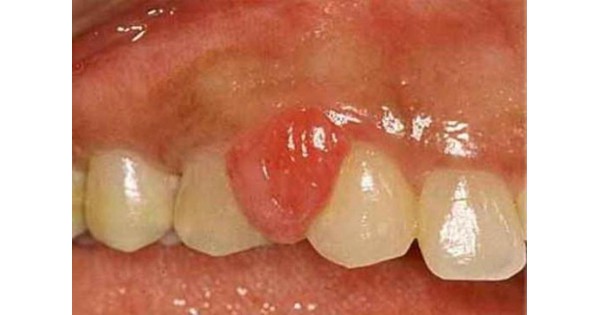
EPULIS EPULIS Epulis is defined as the solid swelling situated on the gingival. It arises from alveolar margins of the jaw. Swelling is painless. Types of Epulis- 1. Granulomatous epulis- It is a soft fleshy mass around the teeth on the gingiva. Usually pregnancy epulis is granulomatous type. Factors are caries tooth, dentures & poor

Epulis Read More »

Ogilvie Syndrome

OGILVIE SYNDROME COLONIC PSEUDO- OBSTRUCTION (OGILVIE’S SYNDROME) Ogilvie syndrome is an acute pseudo obstruction. It is dilation of the colon or a form of ileus of large intestine. Etiology- After surgery Neurological disorders Cardiorespiratory insufficiency Metabolic disturbances- Diabetes mellitus, hypothyroidism Scleroderma, dermatomyositis Severe constipation Malignancy Drugs- anticholinergics Clinical features- More common in older Predominantly right &

Ogilvie Syndrome Read More »

Superior Mesentric Artery Syndrome

Superior Mesentric Artery Syndrome Superior Mesenteric Artery syndrome or Wilkie’s syndrome Superior mesenteric artery syndrome is a rare condition in which obstruction of the 3rd portion of duodenum is produced by compression between the superior mesenteric vessels and the aorta. Causes and pathophysiology The superior mesenteric artery normally leaves the aorta at an acute angle

Superior Mesentric Artery Syndrome Read More »

Ludwig Angina

Ludwig Angina LUDWIG ANGINA Ludwig angina is cellulitis of submental and submandibular (streptococcoal infection) regions combined with inflammatory oedema of the mouth.  Predisposing factors- Carious tooth Cancer of oral cavity Calculi in submandibular gland Chemotherapy Cachexia Chronic disease- diabetes Clinical features– Brawny oedema in submandibular and submental region. Oedema of the floor of the mouth

Ludwig Angina Read More »

👨‍⚕️
Chat Support