
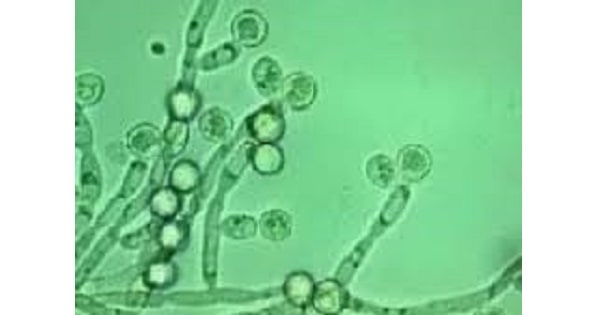
Candida
Candida
- Yeasts like fungus
- Most common cause of fungal infections worldwide.
- Candida albicans is the most commonly isolated species.
- C. albicans is a diploid fungus populating the human body worldwide
- Inhabiting 80% of everyone’s intestinal tract, colon, and mouth with no problems.
Morphology:
- It is dimorphic.
- In Gram-stained smears, Candida appears as gram positive budding yeast cells (blastoconidia)
- Pseudohyphae showing regular points of constriction.
- Spores form on the pseudohyphae called chlamydospores
- C. albicans can take on either a unicellular (yeast) or multicellular (hyphae, pseudohyphae) form.
Culture:
- Germ tube positive:
- Form germ tubes within two hours when incubated in human serum at 37°C
- Reynolds – Braude phenomenon /Germ tube test
- They grow rapidly on simple media as oval budding cells at 25° to 37°C
- Candida shows mycelia and chlamydospores on corn meal agar
- Growth is inhibited by Griseofulvin
Virulence Factors
- Adherence
- Dimorphism
- Germ tubes
- Rapid switching of expressed phenotype
- Surface hydrophobicity
- Interference with phagocytosis, immune defences and complement
- Extracellular hydrolases (Proteinases, lipases)
- Synergism with certain bacteria
- Killer toxins
- Acidic metabolites
- Growth rate and undemanding nutrient requirement
Pathogenicity:
- Penetrates host mucosal surfaces the following morphogenesis into invasive filaments
- Polymorphic growing pattern helps the yeast invade host tissue
By secreting various degradative enzymes:
- proteinases
- aspartyl proteases
- phospholipases.
Phenotypic switching also plays a role in:
- altering the yeast’s adherence properties
- antigen expression
- tissue affinity
- adaptation.
Host predisposing factors:
- Long-term antibiotic therapy eradicating resident bacterial flora
Age:
- Infants
- Elderly are more susceptible
Disorders Which may predispose to mucocutaneous infections:
- Diabetes mellitus: Most common risk factor.
- Cushing’s syndrome
- Addison’s disease
- Hypothyroidism
- Immunodeficient conditions, inborn or acquired predispose to systemic infections
- Women on contraceptives (oral or IUCD), pregnancy, menopause are more at risk of vaginitis
- Neutropenia is the most prominent risk factors for invasive candidiasis
Exam Question
Candida
- Yeasts like fungus
- Most common cause of fungal infections worldwide.
- Inhabiting 80% of everyone’s intestinal tract, colon, and mouth with no problems.
Morphology:
- It is dimorphic.
- In Gram-stained smears, Candida appears as gram positive budding yeast cells (blastoconidia)
- Pseudohyphae showing regular points of constriction.
- Spores form on the pseudohyphae called chlamydospores
- C. albicans can take on either a unicellular (yeast) or multicellular (hyphae, pseudohyphae) form.
Culture:
- Germ tube positive:
- Form germ tubes within two hours when incubated in human serum at 37°C
- Reynolds – Braude phenomenon /Germ tube test
- They grow rapidly on simple media as oval budding cells at 25° to 37°C
- Candida shows mycelia and chlamydospores on corn meal agar
- Growth is inhibited by Griseofulvin
Host predisposing factors:
- Long-term antibiotic therapy eradicating resident bacterial flora
Age:
- Infants
- Elderly are more susceptible
Disorders Which may predispose to mucocutaneous infections:
- Diabetes mellitus: Most common risk factor.
- Cushing’s syndrome
- Addison’s disease
- Hypothyroidism
- Immunodeficient conditions, inborn or acquired predispose to systemic infections
- Women on contraceptives (oral or IUCD), pregnancy, menopause are more at risk of vaginitis
- Neutropenia is the most prominent risk factors for invasive candidiasis
Don’t Forget to Solve all the previous Year Question asked on Candida
