
Coxsackievirus
Coxsackievirus
Morphology
- Linear
- Positive-sense single-stranded RNA viruses
- Picornaviridae
- Genus Enterovirus
Transmission
- Enteroviruses are transmitted by the fecal-oral route.
Types
- The coxsackieviruses were subdivided into groups A and B based on their pathology in newborn mice.
- Coxsackie A causes severe infection in mice
- Coxsackie B causes only mild infection in mice
Clinical Manifestations
Both strains cause
- Asymptomatic
- Mild fever
- Common cold
- Rashes
- Aseptic meningitis
Coxsackie A
- Herpangina
- Fever
- Sore throat
- Small vesicles on the back of the throat
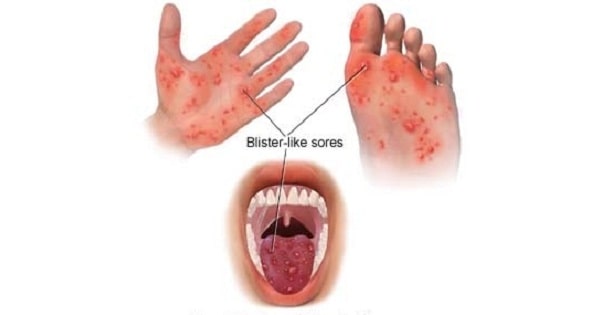
- Hand, foot, and mouth syndrome
- Fever
- Oral vesicles
- Lesions on hands, feet, buttocks
- Caused by coxsackie A16, A5, A10

Coxsackie B
- Myocarditis and pericarditis in infants(MC cause)
- Associated with 50% of myocarditis cases
- Biopsy of myocardium shows lymphocytes
- Most common cause of pericarditis
- Pleurodynia
- Pleuritic pain
- Fever and headache
- Bornholm disease
- Epidemic pleurodynia or myalgia
- Pleuritic pain like an “iron grip” around the chest
- “Devil’s grip” disease
Isolation
- It is necessary to employ suckling mice for the isolation of coxsackie viruses.
- Inoculation is usually made by intracerebral, subcutaneous and intraperitoneal route.
- Adult mice are not susceptible.
Treatment
- No specific treatment
Exam Important
Morphology
- Genus Enterovirus
Types
- The coxsackieviruses were subdivided into groups A and B based on their pathology in newborn mice.
Clinical Manifestations
Both strains cause
- Asymptomatic
- Mild fever
- Common cold
- Rashes
- Aseptic meningitis
Coxsackie A
- Herpangina
- Fever
- Sore throat
- Small vesicles on the back of the throat
- Hand, foot, and mouth syndrome
- Fever
- Oral vesicles
- Lesions on hands, feet, buttocks
- Caused by coxsackie A16, A5, A10
Coxsackie B
- Myocarditis and pericarditis in infants(MC cause)
- Associated with 50% of myocarditis cases
- Biopsy of myocardium shows lymphocytes
- Most common cause of pericarditis
- Pleurodynia
- Pleuritic pain
- Fever and headache
- Bornholm disease
Isolation
- It is necessary to employ suckling mice for the isolation of coxsackie viruses.
- Inoculation is usually made by intracerebral, subcutaneous and intraperitoneal route.
Don’t Forget to Solve all the previous Year Question asked on Coxsackievirus

