
DEPRESSION – INTRODUCTION & SYMPTOMS
DEPRESSION – INTRODUCTION & SYMPTOMS
INTRODUCTION:
- One of commonest psychiatric disorder.
- Responsible for maximum DALYs (disability-adjusted life years) amongst all psychiatric disorders.
- Most common cause of suicide.
- Characterized by major depressive episodes in absence of any manic, mixed or hypomanic episodes.
EPIDEMIOLOGY:
- Lifetime prevalence = 17%
- More prevalent in women (Middle-aged)
- Mean onset age – 40 years.
- More commonly in divorced & separated persons.
CAUSES:
Biological factors –
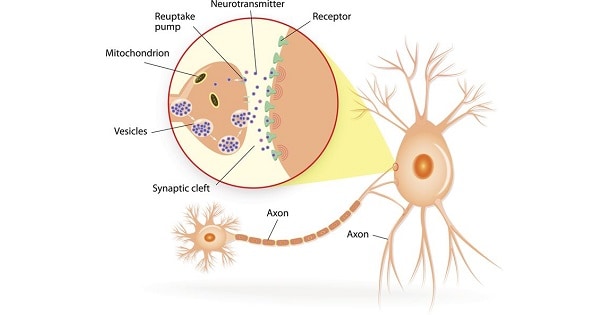
- Neurotransmitters disturbance (Decreased levels of serotonin & norepinephrine).
- Hormonal disturbance (Elevated HPA activity (hypothalamic-pituitary-adrenal axis activity) & hypothyroidism).
- Neuroanatomical consideration – Decreased activity in dorsolateral prefrontal cortex & increased activity in amygdala).
- Genetic factors – Element binding protein (CREB 1)on chromosome 2.
Psychological theories –
- Cognitive theory –
- Cognitive triad of depression – Negative view of self (ideas of worthlessness), negative views about environment (ideas of helplessness) & negative view about future (ideas of hopelessness).
- Learned helplessness.
SYMPTOMS:
- Pneumonics = SIGECAPS.
1. Sleep disturbances:
- Insomnia & sometimes hypersomnia.
- Characteristic sleep pattern – Early morning awakening & reduced latency of REM sleep.
2. Interest (Loss)/anhedonia:
- Loss of interest in activities which interests patient before.
3. Guilt:
- Excessive guilt feelings.
- Blaming himself for trivial matters.
4. Energy (lack):
- Decreased energy levels.
- Ea
- sy fatigability.
5. Cognition/Concentration:
- Negative cognitions (thoughts).
- Poor concentration.
6. Appetite:
- Loss of appetite & weight loss (usually).
- Sometimes weight gain also.
7. Psychomotor agitation or retardation:
- Psychomotor – Changes in motor activity secondary to psychological causes.
- Increased activities (restlessness) or decreased (dormant activities).
8. Suicidal thoughts.
9. Sadness of mood (depressed mood).
SPECIAL FEATURES IN DEPRESSION:
Psychotic features –
- Severe depression patients present with psychotic symptoms (delusions & hallucinations) – Referred as “psychotic depression”.
- Psychotic symptoms are mood congruent (content of delusion) or nihilistic delusion.
Atypical features:
- Presents reverse biological symptoms (hypersomnia, overeating & weight gain).
Melancholic features:
- Depression with melancholic features referred to “involutional melancholia”.
- Seen in old age.
- Characterized by severe anhedonia, profound guilt feelings, early morning awakening, eight loss, agitation & high suicide risk.
Catatonic features:
- Catatonic symptoms like stupor & negativism.
DIAGNOSTIC CRITERIA:
- All symptoms must last for > 2 weeks.
- SWAG (suicidality, weight loss, anhedonia and guilt feelings) – Suggestive of depression.
Exam Important
- Depression is responsible for maximum DALYs (disability-adjusted life years) amongst all psychiatric disorders.
- Depression is most common cause of suicide.
- Depression is caused by neurotransmitters disturbance due to decreased levels of serotonin & norepinephrine.
- Depression is caused by hormonal disturbance due to hypothyroidism.
- Depression is caused by neuroanatomical disturbance due to decreased activity in dorsolateral prefrontal cortex.
- Cognitive theory includes cognitive triad of depression which includes negative view of self (ideas of worthlessness), negative views about environment (ideas of helplessness) & negative view about future (ideas of hopelessness).
- Symptoms of depression include insomnia, loss of interests, lack of energy, gulit feeling, poor concentration, loss of appetite & weight, suicidal thoughts, psychomotor agitation or retardation.
- Characteristic sleep pattern in depression is early morning awakening & reduced latency of REM sleep.
- Severe depression patients presents with psychotic symptoms (delusions & hallucinations) collectively referred as “psychotic depression”.
- Psychotic symptoms in depression are mood congruent (content of delusion) or nihilistic delusion.
- Melancholic features are seen in old age.
- Depression is diagnosed only after all symptoms must last for > 2 weeks.
Don’t Forget to Solve all the previous Year Question asked on DEPRESSION – INTRODUCTION & SYMPTOMS

