
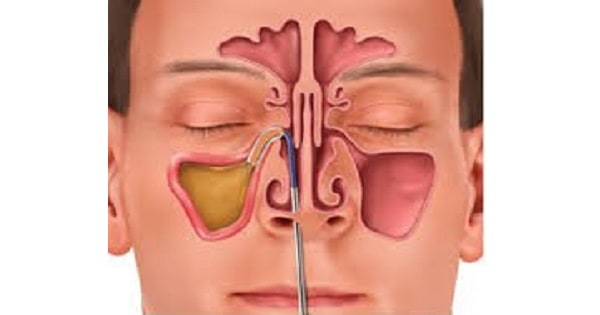
FESS
FESS
- Functional endoscopic sinus surgery (FESS)is a minimally invasive technique in which sinus air cells and sinus ostia are opened under direct visualization.The complication rate for this procedure is lower than that for conventional sinus surgery.
- The goal of this procedure is to restore sinus ventilation and return the mucociliary drainage of the sinuses to normal function.
- FESS is the only sinus surgery which can be performed before 17 years.
- A CT scan before FESS is mandatory
- CT scanning identifies the anatomic relationships of the key structures (orbital contents, optic nerve and carotid artery) to the diseased areas, a process that is vital for surgical planning. CT also defines the extent of disease in any individual sinus, as well as any underlying anatomic abnormalities that may predispose a patient to sinusitis .
INDICATIONS OF FESS
- Inflammation of sinus (sinusitis – chronic and fungal):
Sinonasal Polyp(Antrochoanal and Ethmoidal) - FESS is the best surgical treatment for chronic maxillary sinusitis.
- Mucocele of frontal and ethmoid sinus
- Choanal atresia repair
- Septoplasty
- Foreign body removal
- Epistaxis
- Orbital decompression
- Orbital Abscess
- Inverted Papilloma
- Optic nerve decompression
- Blow out of orbit
- Drainage of periorbital abscess
- Dacryocystorhinostomy
- CSF leak
- Pituitary surgery like trans sphenoid hypophysectomy
CONTRAINDICATIONS TO FESS
- Complications of Acute Sinusitis
- Nasal and Sinus Malignancies:Radical surgery might be needed which is best performed via an external approach, such as midfacial degloving, lateral rhinotomy and various craniofacial procedures.
- Certain sinus conditions may not respond completely to endoscopic treatment; these include intraorbital complications of acute sinusitis, such as orbital abscess or frontal osteomyelitis with Potts puffy tumor.
TYPES OF FUNCTIONAL ENDOSCOPIC SINUS SURGERY
|
Type 1 |
|
|
Type 2 |
|
|
Type 3 |
|
|
Type 4 |
|
|
Type 5 |
|
COMPLICATIONS OF FESS
- Bleeding
- Synechiae formation
- Orbital injury
- Diplopia
- Orbital hematoma
- Orbital cellulitis
- Blindness
- CSF leak
- Direct brain injury
- Nasolacrimal duct injury/epiphora
Exam Question
- Maxillary Sinus is preserved in FESS Surgery.
- FESS surgery is not contraindicated below 12 years of age.
- FESS is the treatment in all cases of Atrochoanal polyp.
- FESS is the best surgical treatment for chronic maxillary sinusitis.
- FESS means Functional endoscopic sinus surgery.
- Orbital cellulitis can occur as a complication of FESS.
- Endoscopic nasal surgery is indicated in Chronic sinusitis,Epistaxis,Inverted papilloma,Orbital abscess,Nasal polyposis.
- Endoscopic repair is the management of persistent cases of CSF rhinorrhea.
Don’t Forget to Solve all the previous Year Question asked on FESS
