

Naegleria fowleri
Naegleria fowleri
- Free living amoeba
- Neuroparasite
Exists in three forms
- Amoeboid trophozoite
- Biflagellate trophozoite
- Cyst (Never forms in human body)
Modes of transmission
- Human primarily contract infection by swimming in contaminated water
- The amoeboid trophozoite enters the human body through nasal mucosa and migrates to brain along the olfactory nerve and blood vessels.
- Some infections result by inhalation of cysts.
Clinical features
Primary amoebic meningoencephilitis
- Common in young adults and children.
- Incubation period 2 – 15 days (5 days)
- Headache, high fever, nausea, vomiting, meningismus.
- Cranial nerve palasies → 3rd, 4th and 6th
- Most patients die within a week (95%).
Diagnosis
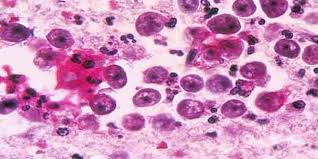
- Detection of motile amoeboid trophozoites in wet mounts of C.S.F.
- High doses of amphotericin B and rifampicin.
Exam Important
Naegleria fowleri
- Free living amoeba
- Neuroparasite
Clinical features
Primary amoebic meningoencephilitis
- Common in young adults and children.
- Incubation period 2 – 15 days (5 days)
- Headache, high fever, nausea, vomiting, meningismus.
- Cranial nerve palasies → 3rd, 4th and 6th
- Most patients die within a week (95%).
Diagnosis
- Detection of motile amoeboid trophozoites in wet mounts of C.S.F.
Don’t Forget to Solve all the previous Year Question asked on Naegleria fowleri

