
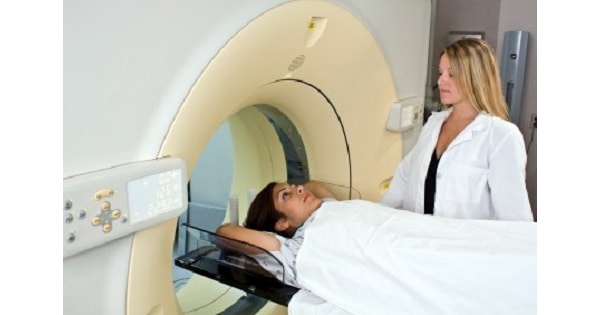
Radionuclide Scanning
Radionuclide Scanning
- The best method of investigation is case of acute cholecystitis is Radionuclide Scanning.
- Neuroendocrine tumors (NET) can be best detected by Radionuclide Scanning.
- Radionuclide scan is done for parathyroid adenoma is Sesta MIBI scan.
- A patient presents with acute renal failure (ARF) and complete anuria. The USG is normal. DTPA Scan(Radiorenogram) will give best information regarding renal function.
- Investigation of choice for locating Parathyroid gland is Tc-Thallium Substraction Scan.
- Functional Analysis of Kidney is best done by Radionuclide Scanning.
- The most sensitive test to detect GI bleeding is Radiolabelled, erythrocyte scanning .
- Best Diagnosis for Ectopic gastric mucosa of meckels diverticulum is Radionuclide Scan(Technetium-99 scan).
- Thallium Scan is performed to detect reversible myocardial ischemia.
- In radionuclide imaging, the most useful radiopharmaceutical agent for skeletal imaging is Tc-99m linked to methylene diphosphonate (99m Tc-MDP).
- Tc-99 pyrophosphate is used for defining hot spots in myocardial infarction/avid infarct imaging
- 99m Tc-Sc is used in imaging of reticuloendothelial system (liver/ spleen), gastric emptying, GI bleeds
- Gallium 67 is used for tumours/abscess.
- Gamma camera is used for measuring the radioactivity and Radionuclide Scanning.
Scans used for:
- Hot spot in MI: Technetium scan
- Pancreatic scanning: Selenium 75
- Parathyroids: Sestamibi scan
- Renal GFR estimation: Tc 99DTPA scan
- Vesicourethral reflex: MAG3 Tc 99 scan
- Thyroid scan: 1-131
- Radionuclide Scan is initial investigation of choice for a patient presenting with solitary nodule of thyroid.
- Curie is a unit for quantity of radionuclide disintegrating per second.
- Investigation of choice in parathyroid pathology is Technetium-thallium subtraction scan.
- DTPA radionuclide is best suited for measurement of GFR.
- Biliary radionuclide scanning (HIDA scan) may be of help in the atypical case. Lack of filling of the gallbladder after 4 hours indicates an obstructed cystic duct and, in the clinical setting of acute cholecystitis, is highly sensitive and specific for acute cholecystitis. A normal HIDA scan excludes acute cholecystitis.
Exam Question
- The best method of investigation is case of acute cholecystitis is Radionuclide Scanning.
- Neuroendocrine tumors (NET) can be best detected by Radionuclide Scanning.
- Radionuclide scan is done for parathyroid adenoma is Sesta MIBI scan.
- A patient presents with acute renal failure (ARF) and complete anuria. The USG is normal. DTPA Scan(Radiorenogram) will give best information regarding renal function.
- Investigation of choice for locating Parathyroid gland is Tc-Thallium Substraction Scan.
- Functional Analysis of Kidney is best done by Radionuclide Scanning.
- The most sensitive test to detect GI bleeding is Radiolabelled, erythrocyte scanning .
- Best Diagnosis for Ectopic gastric mucosa of meckels diverticulum is Radionuclide Scan(Technetium-99 scan).
- Thallium Scan is performed to detect reversible myocardial ischemia.
- In radionuclide imaging, the most useful radiopharmaceutical agent for skeletal imaging is Tc-99m linked to methylene diphosphonate (99m Tc-MDP).
- Tc-99 pyrophosphate is used for defining hot spots in myocardial infarction/avid infarct imaging
- 99m Tc-Sc is used in imaging of reticuloendothelial system (liver/ spleen), gastric emptying, GI bleeds
- Gallium 67 is used for tumours/abscess.
- Gamma camera is used for measuring the radioactivity and Radionuclide Scanning.
Scans used for:
- Hot spot in MI: Technetium scan
- Pancreatic scanning: Selenium 75
- Parathyroids: Sestamibi scan
- Renal GFR estimation: Tc 99DTPA scan
- Vesicourethral reflex: MAG3 Tc 99 scan
- Thyroid scan: 1-131
- Radionuclide Scan is initial investigation of choice for a patient presenting with solitary nodule of thyroid.
- Curie is a unit for quantity of radionuclide disintegrating per second.
- Investigation of choice in parathyroid pathology is Technetium-thallium subtraction scan.
- DTPA radionuclide is best suited for measurement of GFR.
- Biliary radionuclide scanning (HIDA scan) may be of help in the atypical case. Lack of filling of the gallbladder after 4 hours indicates an obstructed cystic duct and, in the clinical setting of acute cholecystitis, is highly sensitive and specific for acute cholecystitis. A normal HIDA scan excludes acute cholecystitis.
Don’t Forget to Solve all the previous Year Question asked on Radionuclide Scanning
