
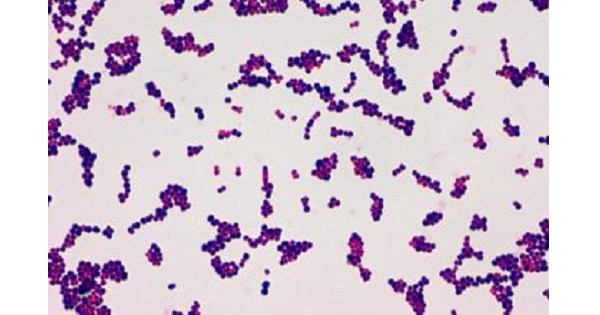
Streptococcus
INTRODUCTION:
- Gram +ve cocci
- Arrangement in chains or pairs
- Phylum Firmicutes and the order Lactobacillales (lactic acid bacteria).
- Most are oxidase-negative and catalase-negative, and many are facultative anaerobes.
- Cell division along a single axis in these bacteria
CLASSIFICATION:
- Brown’s classification
- Lancefield grouping
- Griffith typing
Brown’s classification:
1.α- hemolitic( green)
- Streptococcus pneumoniae( optochin sensitive, bile soluble, capsule=>quellung+)
- Streptococcus viridans(mutans,sanguis optochin resistant,no capsule, bile insoluble)
2.β- hemolitic(clear)
- Streptococcus pyogens( group A, bacitracin sensitive)
- Streptococcus agalactiae( group B, bacitracin resistant)
3. γ-hemolitic: Entrococcus
- E. faecalis
- E. faecium
Lancefield grouping:
- Hemolysis on agar plates containing sheep blood:
- Lancefield classification is based on carbohydrate ‘C’ antigen
- Group A – S.pyogenes
- Group B – S. agalactiae
- Group C – S.equisimilis, S. equi, S.zooepidemicus, S.dysgalactiae
- Group D -E. faecalis, E.faecium, Enterococcus durans and S. bovis(most heat resistant >60)
- Group E – Enterococci
- Group F, G & L – S. anginosus
- Group H – S.sanguis
- Group K – S. salivarius
- Group L – S.dysgalactiae
- Group M & O – S. mitior
- Group N – Lactococcus lactis
- Group R & S – S. suis
Other Streptococcus species are classified as ‘non-Lancefield Streptococci’
CAPSULE
- Mucoid colonies are due to production of capsule of hyaluronic acid.
- It has an antiphagocytic effect.
VIRULENCE FACTOR
M. protein
- Major virulence factor
- Responsible for resisting phagocytosis
- Resistance to infection by streptococcus is acquired as a result of antibodies to the M. Protein.
Streptolysin O
- Oxygen and heat labile
- Antigenic, causes hemolysis
- Acitve in reduced form
- ASO titres used in retrospective diagnosis Rheumatic fever (ASO titres > 200 significant)
- ASO titres – low after skin infection
Streptolysin S
- Oxygen stable, soluble in serum
- Not antigenic
Pyrogenic exotoxin/Erythrogenic/Dick/Scarlational toxin – Superantigen
- Associated with streptococcal toxic shock syndrome Et scarlet fever
- Pyrogenic toxin A is plasmid mediated
- Dick test – intradermal test to identify children susceptible to scarlet fever
- Schultz-Charlton reaction – diagnostic test for scarlet fever
Streptokinase(Fibrinolysin)
- Facilitates spread of infection
- Streptokinase is produced from serotype A,C,K
- Used in retrospective diagnosis
DNAase or Streptodornase
- Streptodornase cleaves DNA
- Liquefies thick pus and responsible for thin serous character of streptococcal exudates Anti-DNAse,
- Anti-hyaluronidase: retrospective diagnosis of pyoderma & glomerulonephritis
Hyaluranidase – Spreading factor
SPECIES OF STREPTOCOCCUS & ASSOCIATED DISEASE:
- Besides Str. pyogenes, streptococci belonging to group B, C, D, F, G and rarely H, K, 0 and R may also cause human infections.
- Streptococcus causes destruction of skin grafts
Group B streptococci
- Human infection is caused by Str. agalactiae.
- Leaves in female genital tract
- They produce f3 – hemolysis.
- They hydrolyse hippurate.
- They may be identified by CAMP reaction.
- It is the single most common cause of neonatal meningitis.
- Newborn infection is acquired from the mother’s vagina during birth
- Presents as septicemia, meningitis or pneumonia.
- Late onset (between 20 & 12th weeks of life)
- Infection is obtained from the environment
- Most cases are associated with type III capsular strain
- Penicillin `G’ is the DOC.
- In penicillin allergic patients, Vancomycin is the DOC.
Group C streptococci
- Human pathogen is strep. equisimilis
- They produce f3 – hemolysis.
- They are part of the normal flora of throat
- Can cause upper respiratory tract infection, endocarditis, osteomyelitis, brain abscess, pneumonia and puerperal sepsis.
- Ferment trehalose & ribose (Str. pyogenes ferment treholose but not ribose).
- It produces streptolysin 0 and streptokinase. Str. equisimilis is the source of streptokinase used for thrombolytic therapy.
- Penicillin G is the drug of choice for treatment.
Group F streptococci
- Also called as ‘minute streptococci’
- Human pathogen is Str. M.G.
- Cause primaly atypical pneumonia.
Serum opacity factor
- Some M types of streptococcus pyogenes produce a lipoproteinase which results in opacity when applied to agar gel.
DIFFERENTIAL DIAGNOSTIC TEST
- Catalase test is used to differentiate staphylococci from streptococci.
- Pneumococcus can be differentiated from streptococcus by Bile solubility test
|
Streptococci |
Lab Test |
|
S. pyogenes |
|
|
S. agalactiae |
|
|
S. equisimilis |
|
|
S. anginosus |
|
|
Enterococcus sp. |
|
|
Non enterococcal Grp D species |
|
|
Viridans Sterptococci |
|
Exam Question
Gram +ve cocci,arrangement in chains or pairs
Brown’s classification:
1.α- hemolitic( green)
- Streptococcus pneumoniae( optochin sensitive, bile soluble, capsule=>quellung+)
- Streptococcus viridans(mutans,sanguis optochin resistant,no capsule, bile insoluble)
2.β- hemolitic(clear)
- Streptococcus pyogens( group A, bacitracin sensitive)
- Streptococcus agalactiae( group B, bacitracin resistant)
3. γ-hemolitic: Entrococcus
- E. faecalis
- E. faecium
Lancefield grouping
- Group A – S. pyogenes
- Group B – S. agalactiae
- Group C – S. equisimilis, S. equi, S. zooepidemicus, S. dysgalactiae
- Group D –E. faecalis, E. faecium, E. durans and S. bovis(most heat resistant > 60)
- Group E – Enterococci
- Group F, G & L – S. anginosus
- Group H – S. sanguis
- Group K – S. salivarius
- Group L – S. dysgalactiae
- Group M & O – S. mitior
- Group N – L. lactis
- Group R & S – S. suis
Other Streptococcus species are classified as ‘non-Lancefield Streptococci’
CAPSULE
- Mucoid colonies are due to production of capsule of hyaluronic acid.
VIRULENCE FACTOR
M. protein
- Major virulence factor
Streptolysin O
- Antigenic, causes hemolysis
- Acitve in reduced form
Streptolysin S
- Oxygen stable, soluble in serum
Pyrogenic exotoxin/Erythrogenic/Dick/Scarlational toxin – Superantigen
- Associated with streptococcal toxic shock syndrome Et scarlet fever
- Pyrogenic toxin A is plasmid mediated
- Dick test – intradermal test to identify children susceptible to scarlet fever
- Schultz-Charlton reaction – diagnostic test for scarlet fever
Streptokinase(Fibrinolysin)
- Facilitates spread of infection
- Streptokinase is produced from serotype A,C,K
DNAase or Streptodornase
- Liquefies thick pus
- responsible for thin serous character of streptococcal exudates
- Anti-DNAse,Streptodornase cleaves DNA
- Anti-hyaluronidase: retrospective diagnosis of pyoderma & glomerulonephritis
- Hyaluranidase – Spreading factor
SPECIES OF STREPTOCOCCUS & ASSOCIATED DISEASE:
- Besides Str. pyogenes, streptococci belonging to group B, C, D, F, G and rarely H, K, 0 and R may also cause human infections.
- Streptococcus causes destruction of skin grafts
- Group B streptococci
- Str. agalactiae.
- Lives in female genital tract
- CAMP +ve
- It is the single most common cause of neonatal meningitis.
- Newborn infection acquired from mother’s vagina during birth
DIFFERENTIAL DIAGNOSTIC TEST
- Catalase test is used to differentiate staphylococci from streptococci.
- Pneumococcus can be differentiated from streptococcus by Bile solubility test
