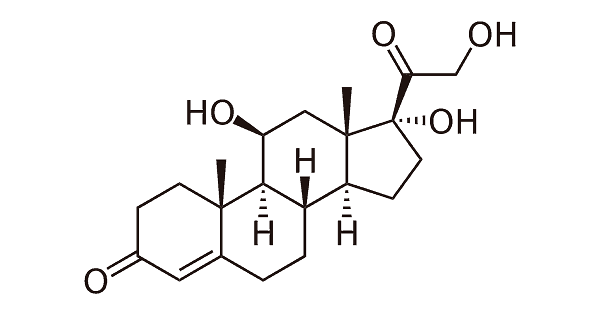
Glucocorticoids
Drug causing hyperglycemia is
| A |
Beta blockers |
|
| B |
Glucocorticoid |
|
| C |
Alcohol |
|
| D |
Indomethacin |
Drug causing hyperglycemia is
| A |
Beta blockers |
|
| B |
Glucocorticoid |
|
| C |
Alcohol |
|
| D |
Indomethacin |
Glucocorticoid [Ref Harrison 17th/e p. 2307; 15th/e p.
Drugs causing Hyperglycemia
- Asparginase
- Chlorthalidone
- Diazoxide
- Encainide
- Ethacrynic acid
- Furosemide
- Glucocorticoids
- Growth hormones
- HIV protease inhibitors
- Niacin
- Oral contraceptives
- Phenytoin
- Pentamidine
- Thiazides
fiblocker usually cause hypoglycemia.
| A | Muscle wasting | |
| B | Reduced appetite | |
| C | Diabetes mellitus | |
| D | B and C |
| A | Muscle wasting | |
| B | Reduced appetite | |
| C | Diabetes mellitus | |
| D | B and C |
B and C
Glucocorticoids causes all, except :
| A |
Muscle wasting |
|
| B |
Osteoporosis |
|
| C |
Diabetes mellitus |
|
| D |
Reduced appetite |
Glucocorticoids causes all, except :
| A |
Muscle wasting |
|
| B |
Osteoporosis |
|
| C |
Diabetes mellitus |
|
| D |
Reduced appetite |
Which of the following immunosuppresive agents have a side effect of osteoporosis?
| A |
Cyclophosphamide |
|
| B |
Methotrexate |
|
| C |
Glucocorticoids |
|
| D |
Mycophenolate mofetil |
Which of the following immunosuppresive agents have a side effect of osteoporosis?
| A |
Cyclophosphamide |
|
| B |
Methotrexate |
|
| C |
Glucocorticoids |
|
| D |
Mycophenolate mofetil |
| Side effects of common Immuno-Suppresants are given below: |
| Cyclophosphamide: Leucopenia or neutropenia, infections (usually respiratory and urinary tract), infertility, cancer (especially bladder cancer and leukaemia), haemorrhagic cystitis, alopecia, and amenorrhoea |
| Glucocorticoids: Osteoporosis, candida infection (oral and vaginal), other infections, weight gain, hyperglycaemia or diabetes, hypertension, cushingoid appearance, skin atrophy, and cataract |
| Azathioprine: Nausea, leucopenia or neutropenia, infection, hypersensitivity, cancer, alopecia, cholestasis, and thrombocytopenia |
| Methotrexate: Nausea, oral ulcers, liver dysfunction, infection, hypertension, leucopenia |
|
Mycophenolate mofetil: infection, leucopenia, gastrointestinal tract manifestations, anaemia, thrombocytopenia
|
| Rituximab: Infections (encephalitis is particularly dangerous), cancer, anaemia, neutropenia, thrombocytopenia, hypogammaglobulinaemia |
All of the following development events are dependent on the production of maternal or fetal glucocorticoid, EXCEPT:
| A |
Induction of thymic involution |
|
| B |
Production of surfactant by type II alveolar cells |
|
| C |
Functional thyroid |
|
| D |
Functional hypothalamopituitary axis |
All of the following development events are dependent on the production of maternal or fetal glucocorticoid, EXCEPT:
| A |
Induction of thymic involution |
|
| B |
Production of surfactant by type II alveolar cells |
|
| C |
Functional thyroid |
|
| D |
Functional hypothalamopituitary axis |
Functions of maternal / fetal corticosteroids in the fetus include Synthesis of surfactant in the lungs, induction of thymic involution, proper development of hypo-thalamo-pituitary axis. Development of functional thyroid is not found to be dependant on the maternal or fetal glucocorticoids.
Glucocorticoids given to a case of Preterm Labour help in reducing all of the following neonatal complications except :
| A |
Respiratory distress syndrome |
|
| B |
Intraventricular hemorrhage |
|
| C |
Necrotising enterocolitis |
|
| D |
Bronchopulmonary dysplasia |
Glucocorticoids given to a case of Preterm Labour help in reducing all of the following neonatal complications except :
| A |
Respiratory distress syndrome |
|
| B |
Intraventricular hemorrhage |
|
| C |
Necrotising enterocolitis |
|
| D |
Bronchopulmonary dysplasia |
Bronchopulmonary dysplasia
Stress-induced hyperglycemia is due to:
| A |
Glucocorticoids |
|
| B |
GH |
|
| C |
Epinephrine |
|
| D |
All |
Stress-induced hyperglycemia is due to:
| A |
Glucocorticoids |
|
| B |
GH |
|
| C |
Epinephrine |
|
| D |
All |
A i.e. Glucocorticoids; B i.e. GH; C i.e. Epinephrine
Which of the following hormones are increased due to stress during surgery, especially in DM:
| A |
Epinephrine |
|
| B |
GH |
|
| C |
Glucocorticoids |
|
| D |
All |
Which of the following hormones are increased due to stress during surgery, especially in DM:
| A |
Epinephrine |
|
| B |
GH |
|
| C |
Glucocorticoids |
|
| D |
All |
A i.e. Epinephrine; B i.e. GH; C i.e. Glucocorticoid
Glucagon, catecholamines (epinephrine & norepinephrine), cortisol, ACTH, GH (growth hormone) are increased in stress (infection, surgery, hypoglycemia) whereas, insulin is suppressed (decreased)Q.
- In maintenance of internal homeostasis (ie avoiding stress) and reproduction processes, multiple hormones cooperate to bring about organized biochemical & physiological responses.
Stress Syndrome: CRH – ACTH – Cortisol Axis
- The primitive signal of glucose (substrate) lack is expanded to a broder signal of fright or stress and evokes a coordinated neural and endocrine response. Any stressful event eg. surgery, infection, burn triggers a hypermetabolic state in which a resting energy expenditure is increased alongwith body temperature.
- CRH-ACTH – cortisol axis is central to this integrated response to stress.
-
Features of Stress Syndrome
– Corticotropin releasing hormone (CRH) is increased in response to noxious environmental stimuli like pain, trauma,
hypoglycemia, infection, surgery, hypovolemia. Various nervous impulses using several neuro transmitters (NTs) like norepinephrine, serotonin, acetylcholine, dopamine, and GABA reach CRH neurosecretory cells and cause release of CRH
– In response to CRH, both ACTH and p endorphins (secreted 13-LPH & mature p-endorphin) are released in equimolar quantities 13-endorphin produce central analgesic response.
– Glucagon & catecholamines (epinephrine & norepinephrine) are increased, stimulating glycogenolysis (glucose
production in liver) for immediate use by critical organs such as the brain.
– Cortisol production is increased in adrenal cortex which induces gluconeogenesis (glucose production from noncarbohydrate source like muscles & other body proteins)
– Glucogon, epinephrine, ACTH and growth hormone (GH) stimulate lipolysis and free fatty acids (FFA) & ketones are
released into the circulation to be used as an alternative metabolic fuel.
– Insulin is suppressedQ that results in decrease in glucose utilization.
– One form of stress that is cold, specially in neonate causes increased TRH secretion due to depressed metabolism of neurons in pre- optic area by cooling which release inhibitory discharge, permitting TRH secretion.
– ADH (vasopressin), angiotensin & aldosterone synthesis is increased enhancing salt water retention
– So increased glucose production (by glycogenolysis & gluconeogenesis) and decreased utilization of glucose results in hyperglycemia. There is marked increase in release of aminoacids from tissue protein, particularly from skeletal muscle for gluconeogenesis. However, synthesis of specific proteins may increase
– These metabolic changes are coordinated with increased sympathetic nervous system activity causing peripheral vasoconstriction and increased blood pressure.
Glucocorticoids given to a case of Preterm Labour help in reducing all of the following neonatal complications except :
| A |
Respiratory distress syndrome |
|
| B |
Intraventricular hemorrhage |
|
| C |
Necrotising enterocolitis |
|
| D |
Bronchopulmonary dysplasia |
Glucocorticoids given to a case of Preterm Labour help in reducing all of the following neonatal complications except :
| A |
Respiratory distress syndrome |
|
| B |
Intraventricular hemorrhage |
|
| C |
Necrotising enterocolitis |
|
| D |
Bronchopulmonary dysplasia |
Bronchopulmonary dysplasia
Select the CORRECT statement regarding use of inhaled glucocorticoids in bronchial asthma‑
| A |
They are used for acute attacks of asthma |
|
| B |
They have high systemic activity |
|
| C |
They are superior to (32 agonists in symptom control |
|
| D |
Oral candidiasis can occur as a side effect |
Ans. is ‘d’ i.e., Oral candidiasis can occur as a side effect
Glucocorticoids act in inflammation by ‑
| A |
↓ Lipocortin |
|
| B |
↑ IL2 |
|
| C |
↑ Lipocortin |
|
| D |
↑ CRP |
Glucocorticoids act in inflammation by ‑
| A |
↓ Lipocortin |
|
| B |
↑ IL2 |
|
| C |
↑ Lipocortin |
|
| D |
↑ CRP |
Ans. is ‘c’ i.e., ↑ Lipocortin
o Corticosteroids induce the production of lipocortins that are responsible for the inhibition of phosholipase A2, an enzyme which is involved in the production of inflammatory mediators (PGs, LTs, PAF).
Least glucocorticoid action is seen with ‑
| A |
Fludrocortisone |
|
| B |
Cortisone |
|
| C |
Dexamethasone |
|
| D |
Betamethasone |
Least glucocorticoid action is seen with ‑
| A |
Fludrocortisone |
|
| B |
Cortisone |
|
| C |
Dexamethasone |
|
| D |
Betamethasone |
Ans. is ‘b’ i.e., Cortisone
Least potent glucocorticoid —> Cortisone
Compared to hydrocortisone, maximum glucocorticoid activity is seen in ‑
| A |
Cortisone |
|
| B |
Prednisolone |
|
| C |
Dexamethasone |
|
| D |
Methylprednisolone |
Compared to hydrocortisone, maximum glucocorticoid activity is seen in ‑
| A |
Cortisone |
|
| B |
Prednisolone |
|
| C |
Dexamethasone |
|
| D |
Methylprednisolone |
Ans. is ‘c’ i.e., Dexamethasone
Short acting glucocorticoid is‑
| A |
Fludrocortisones |
|
| B |
Dexamethasone |
|
| C |
Hydrocortisone |
|
| D |
Aldostrone |
Short acting glucocorticoid is‑
| A |
Fludrocortisones |
|
| B |
Dexamethasone |
|
| C |
Hydrocortisone |
|
| D |
Aldostrone |
Ans. is ‘c’ i.e., Hydrocortisone
o Short acting glucocorticoids (t1/2 : 8-12 hrs.) : Cortisol, hydrocortisone.
o Intermediate acting glucocorticoids (t1/2 : 12-36 hrs.) : Prednisolone, methylprednisolone, triamcinolone. o Long acting glucocorticoids (t1/2 : 36-54 hrs.) : Dexamethasone betamethasone.
Longest acting glucocorticoids is ‑
| A |
Prednisone |
|
| B |
Prednisolone |
|
| C |
Cortisone |
|
| D |
Dexamethasone |
Longest acting glucocorticoids is ‑
| A |
Prednisone |
|
| B |
Prednisolone |
|
| C |
Cortisone |
|
| D |
Dexamethasone |
Ans. is ‘d’ i.e., Dexamethasone
Glucocorticoids do not cause?
| A |
Osteoporosis |
|
| B |
Hypoglycemia |
|
| C |
Peptic ulceration |
|
| D |
Cataracts |
Glucocorticoids do not cause?
| A |
Osteoporosis |
|
| B |
Hypoglycemia |
|
| C |
Peptic ulceration |
|
| D |
Cataracts |
Ans. is ‘b’ i.e., Hypoglycemia
o Glucocorticoids cause hyperglycemia.
o All other are side effects of glucocorticoids
o Side effects of glucocorticoids are cuhing’s habits, fragile skin, purple striae, muscular weakness, hyperglycemia, delayed wound healing hypokalemia, Na+ and water retention, hypertension, peptic ulcer, cataract, glaucoma, osteoporosis, mild euphoria, growth retardation and AVN of femoral head. Among cutaneous side effects are folliculitis (most common), atrophic changes, hypertrichosis, and purple stria are common.
Long term administration of glucocorticoids can cause all of the following except‑
| A |
Proximal myopathy |
|
| B |
Hyperkalemia |
|
| C |
Hypertension |
|
| D |
Cataract |
Long term administration of glucocorticoids can cause all of the following except‑
| A |
Proximal myopathy |
|
| B |
Hyperkalemia |
|
| C |
Hypertension |
|
| D |
Cataract |
Ans. is ‘b’ i.e., Hyperkalemia
o Glucocorticoids have some mineralocorticoid activity, thus they cause hypokalemia (not hyperkalemia).
Glucocorticoids causes all, except –
| A |
Muscle wasting |
|
| B |
Osteoporosis |
|
| C |
Diabetes mellitus |
|
| D |
Reduced appetite |
Glucocorticoids causes all, except –
| A |
Muscle wasting |
|
| B |
Osteoporosis |
|
| C |
Diabetes mellitus |
|
| D |
Reduced appetite |
Ans. is ‘d’ i.e., Reduced appetite
The primary goal of glucocorticoid treatment in rheumatoid arthritis is –
| A |
Suppression of inflammation and improvement in functional capacity |
|
| B |
Reversal of the degenerative process |
|
| C |
Development of a sense of well-being in the patient |
|
| D |
Prevention of suppression of the hypothalamic pituitary-adrenal axis |
Ans. is ‘a’ i.e., Suppression of inflammation and improvement in functional capacity
Drug causing hyperglycemia is –
| A |
Beta blockers |
|
| B |
Glucocorticoid |
|
| C |
Alcohol |
|
| D |
Indomethacin |
Drug causing hyperglycemia is –
| A |
Beta blockers |
|
| B |
Glucocorticoid |
|
| C |
Alcohol |
|
| D |
Indomethacin |
Ans. is ‘b’ i.e., Glucocorticoid
Drugs causing hyperglycemia
o Asparaginase o Ethacrinic acid
o Chlorthalidone o Frusemide
o Diazoxide o Glucocorticoids
o Encainide o Growth-hormone
o Thyroid hormones o Vacor
o HIV protease inhibitors o Niacin
o OCP o Pentamidine
o Phenytoin o Thiazides
o Clozapine o beta-adrenergic agonists (propranolol)
Which of the following drug produce neutrophilia?
| A |
Chlorambucil |
|
| B |
Glucocorticoids |
|
| C |
Sulfonamides |
|
| D |
Chloramphenicol |
Which of the following drug produce neutrophilia?
| A |
Chlorambucil |
|
| B |
Glucocorticoids |
|
| C |
Sulfonamides |
|
| D |
Chloramphenicol |
Ans. is ‘b’ i.e., Glucocorticoids
Drugs Causing neutrophilia
Acute: Smoking, glucocorticoids, epinephrine, venoms, Colony-Stimulating factors Chronic: All drugs which cause acute neutrophilia, Lithium.
Which of the following is the most potent glucocorticoid:
March 2010
| A |
Hydrocortisone |
|
| B |
Prednisolone |
|
| C |
Betamethasone |
|
| D |
Triamcinolone |
Which of the following is the most potent glucocorticoid:
March 2010
| A |
Hydrocortisone |
|
| B |
Prednisolone |
|
| C |
Betamethasone |
|
| D |
Triamcinolone |
Ans. C: Betamethasone
Betamethasone and dexamethasone are very potent and highly selective glucocorticoids.
Long acting, causes marked pituitary-adrenal suppression, but fluid retention and hypertension is not a problem. Hence they are preferred in situations in which fluid retention must be avoided like cerebral edema.
Side effects of glucocorticoids are all of the following except:
September 2010
| A |
Hypoglycemia |
|
| B |
Cataract |
|
| C |
Psychoses |
|
| D |
Osteoporosis |
Side effects of glucocorticoids are all of the following except:
September 2010
| A |
Hypoglycemia |
|
| B |
Cataract |
|
| C |
Psychoses |
|
| D |
Osteoporosis |
Ans. A: Hypoglycemia
Glucocorticoid drugs currently being used act nonselectively, so in the long run they may impair many healthy anabolic processes. To prevent this, much research has been focused recently on the elaboration of selectively-acting glucocorticoid drugs. These are the side-effects that could be prevented:
- Immunosuppression
- Hyperglycemia due to increased gluconeogenesis, insulin resistance, and impaired glucose tolerance (“steroid diabetes”); caution in those with diabetes mellitus
- Increased skin fragility, easy bruising
- Negative calcium balance due to reduced intestinal calcium absorption
- Steroid-induced osteoporosis: reduced bone density (osteoporosis, osteonecrosis, higher fracture risk, slower fracture repair)
- Weight gain due to increased visceral and truncal fat deposition (central obesity) and appetite stimulation
- Adrenal insufficiency (if used for long time and stopped suddenly without a taper)
- Muscle breakdown (proteolysis), weakness; reduced muscle mass and repair
- Expansion of malar fat pads and dilation of small blood vessels in skin
- Anovulation, irregularity of menstrual periods
- Growth failure, pubertal delay
- Increased plasma amino acids, increased urea formation; negative nitrogen balance
- Excitatory effect on central nervous system (euphoria, psychosis)
- Glaucoma due to increased cranial pressure
- Cataracts
Effect of glucocorticoid administration to the pregnant lady with preterm labor is:
September 2011
| A |
Increased chances of Intraventricular hemorrhage |
|
| B |
Increased incidence of neonatal mortality |
|
| C |
Reduced Surfactant production |
|
| D |
Helps fetal lung maturity |
Effect of glucocorticoid administration to the pregnant lady with preterm labor is:
September 2011
| A |
Increased chances of Intraventricular hemorrhage |
|
| B |
Increased incidence of neonatal mortality |
|
| C |
Reduced Surfactant production |
|
| D |
Helps fetal lung maturity |
Ans. D: Helps fetal lung maturity
Maternal administration of glucocorticoids is advocated where the pregnancy is less than 34 weeks
This helps in fetal lung maturation so that the incidence of respiratory distress syndrome, intraventricular hemorrhage and NEC are minimised
Which of the following induces apoptosis in a cell?
| A |
Oleic acid |
|
| B |
Glucocorticoids |
|
| C |
Isoprenoids |
|
| D |
Myristic acid |
Which of the following induces apoptosis in a cell?
| A |
Oleic acid |
|
| B |
Glucocorticoids |
|
| C |
Isoprenoids |
|
| D |
Myristic acid |
Glucocorticoids induce apoptosis in a cell.
Inducers of apoptosis are growth factor withdrawal, detachment from matrix, glucocorticoids, cytotoxic drugs and immune cytolysis.
Osteoporosis is characterized by all the following except ‑
| A |
Decreased bone mineral density |
|
| B |
Decreased Serum Calcium, phosphorus and alkaline phosphatase is seen |
|
| C |
Glucocorticoids can cause osteoposis |
|
| D |
Dorsolumbar spine is the most coomon site of osteoporotic fracture |
Ans. is ‘b’ i.e., Decreased Serum Calcium, phosphorus and alkaline phosphatase is seen
Osteoporosis is a state of decreased mass per unit volume of a normally mineralized bone. Osteoporosis is the commonest metabolic bone disease. Osteoporosis is characterized by an abnormally low bone mass (low bone density) and defects in bone structure, a combination of which renders the bone unusually fragile and at greater than normal risk of fracture. Bone depletion may be brought about by predominant bone resorption, decreased bone formation or a combination of the two.
Common precursor of mineralocorticoid, glucocorticoids and sex steroids ‑
| A |
Pregnenolone |
|
| B |
α-hydroxyprogesterone |
|
| C |
Dehydrotestosterone |
|
| D |
Deoxycortisol |
Common precursor of mineralocorticoid, glucocorticoids and sex steroids ‑
| A |
Pregnenolone |
|
| B |
α-hydroxyprogesterone |
|
| C |
Dehydrotestosterone |
|
| D |
Deoxycortisol |
Ans. is ‘a’ i.e., Pregnenolone
Intracellular receptors are used by ‑
| A |
ACTH |
|
| B |
TSH |
|
| C |
Glucocorticoids |
|
| D |
Insulin |
Intracellular receptors are used by ‑
| A |
ACTH |
|
| B |
TSH |
|
| C |
Glucocorticoids |
|
| D |
Insulin |
Ans. is ‘c‘ i.e., Glucocorticoids
Long acting glucocorticoid is ‑
| A |
Dexamethasone |
|
| B |
Triamcenolone |
|
| C |
Prednisolone |
|
| D |
Hydrocortisone |
Long acting glucocorticoid is ‑
| A |
Dexamethasone |
|
| B |
Triamcenolone |
|
| C |
Prednisolone |
|
| D |
Hydrocortisone |
Ans. is ‘a’ i.e., Dexamethasone
Which of the following induces apoptosis in a cell?
| A |
Glucocorticoids |
|
| B |
Isoprenoids |
|
| C |
Myristic acid |
|
| D |
Oleic acid |
Which of the following induces apoptosis in a cell?
| A |
Glucocorticoids |
|
| B |
Isoprenoids |
|
| C |
Myristic acid |
|
| D |
Oleic acid |
Ans. a. Glucocorticoids
Chemical process involved in conversion of progesterone to glucocorticoids is
| A |
Methylation |
|
| B |
Hydroxylation |
|
| C |
Carboxylation |
|
| D |
None |
Chemical process involved in conversion of progesterone to glucocorticoids is
| A |
Methylation |
|
| B |
Hydroxylation |
|
| C |
Carboxylation |
|
| D |
None |
Ans. is `b’ i.e., Hydroxylation
Short acting glucocorticoid is ‑
| A |
Fludrocortisones |
|
| B |
Dexamethasone |
|
| C |
Hydrocortisone |
|
| D |
Aldostrone |
Short acting glucocorticoid is ‑
| A |
Fludrocortisones |
|
| B |
Dexamethasone |
|
| C |
Hydrocortisone |
|
| D |
Aldostrone |
Ans. is ‘c’ i.e., Hydrocortisone
Steroids compared
|
Type |
Drug |
Equivalent |
Relative |
Relative |
|
|
|
doses |
Glucocorticoidpotency |
Mineralocorticoidpotency |
|
Short-acting |
Cortisol |
20 mg |
1 |
2 |
|
Biological half life*: |
Hydrocortisone |
25 mg |
0-8 |
|
|
8-12 hours |
|
|
|
|
|
Intermediate-acting |
Prednisolone |
5 mg |
4 |
1 |
|
Biological half life: |
Triamcinolone |
4mg |
5 |
0 |
|
18-36 hours |
Mathylprednisol one |
4mg |
5 |
0 |
|
Long-acting |
Dexamethasone |
0-75 mg |
25-50 |
0 |
|
Biological half life: |
Befamethasone |
0.75 mg |
25-50 |
0 |
|
36-54 hours |
|
|
|
|
|
Mineralocorticoids |
Aldosterone |
0-3 mg |
0 |
300 |
|
|
Fludrocortisone |
2 mg |
15 |
150 |
Longest acting glucocorticoids is ‑
| A |
Prednisone |
|
| B |
Prednisolone |
|
| C |
Cortisone |
|
| D |
Dexamethasone |
Longest acting glucocorticoids is ‑
| A |
Prednisone |
|
| B |
Prednisolone |
|
| C |
Cortisone |
|
| D |
Dexamethasone |
Ans. is ‘d’ i.e., Dexamethasone