
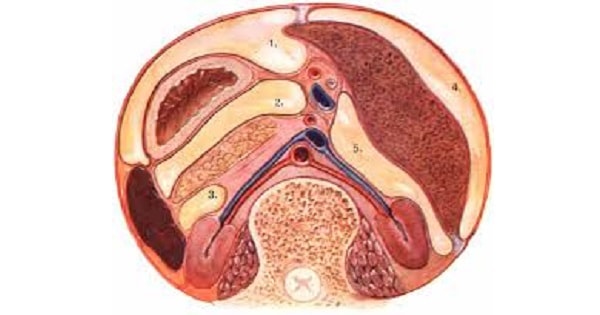
Sub Phrenic Abcess
INTRODUCTION:
- A pus-filled cavity in the subphrenic region which is the area below the diaphragm but above the colon and liver.
- The infection can occur as a complication of abdominal surgery, acute pancreatitis and trauma.
- Subphrenic abscess is toxemia
- The most common intraperitoneal abscess following peritonitis is Subphrenic abscess
SYMPTOMS:
- Fever
- Chills
- Upper abdominal pain
- Breathing difficulty
- Painful breathing
- Referred shoulder pain
- Cough
DIAGNOSIS:
- X-RAYS are essential. Screening is the most important investigation and the cheapest. Look for:
- The failure of one side of his diaphragm to move.
- This is a sign of infection, but not necessarily of an abscess.
- Give him a little contrast medium, and look for downward and forward displacement of his stomach and spleen.
Also take a PA and a lateral view. Look for:
- Raised diaphragm,
- Fuzzy upper border to his diaphragm
- Fluid in his costophrenic angle
- Collapse or consolidation at one lung base
- Fluid level (rare).
- Gas in his subphrenic space.
- This can be the residue from a laparotomy, or it can be due to a perforation of his gut, or to an anaerobic infection.
- If his first X-ray examination is negative or equivocal, repeat it a few days later.
TREATMENT:
- Surgical drainage of abscess and dead tissue removal
- Chloramphenicol, metronidazole, gentamycin, tobramycin, amkiacin, clindamycin
Exam Question
- Non-specific gas pattern in bowel and an air-fluid level in LUQ seen in Abdominal radiograph after Splenectomy is suggestive of Subphrenic abscess
- Subphrenic abscess is toxemia
- Complain of right hypochondrial pain with plain chest x ray showing elevated right hemidiaphragm is seen in Subphrenic abscess
Don’t Forget to Solve all the previous Year Question asked on Sub Phrenic Abcess
